
By EdCaptain editorial desk · Published
Being laughed at can turn an ordinary mistake, answer, outfit or performance into a memory a child replays for days. Adults sometimes rush to reassure: “They probably did not mean it,” or “Just ignore them.” Even when well intended, that can leave the child carrying both the hurt and the sense that it is too small to discuss.
Recovery begins with taking the experience seriously without deciding too quickly what it means. One awkward laugh, repeated ridicule and targeted bullying require different responses. Your child needs both emotional safety and a practical plan.
Listen before building confidence
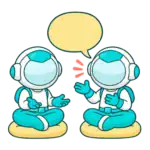
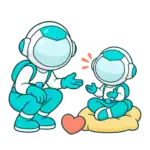
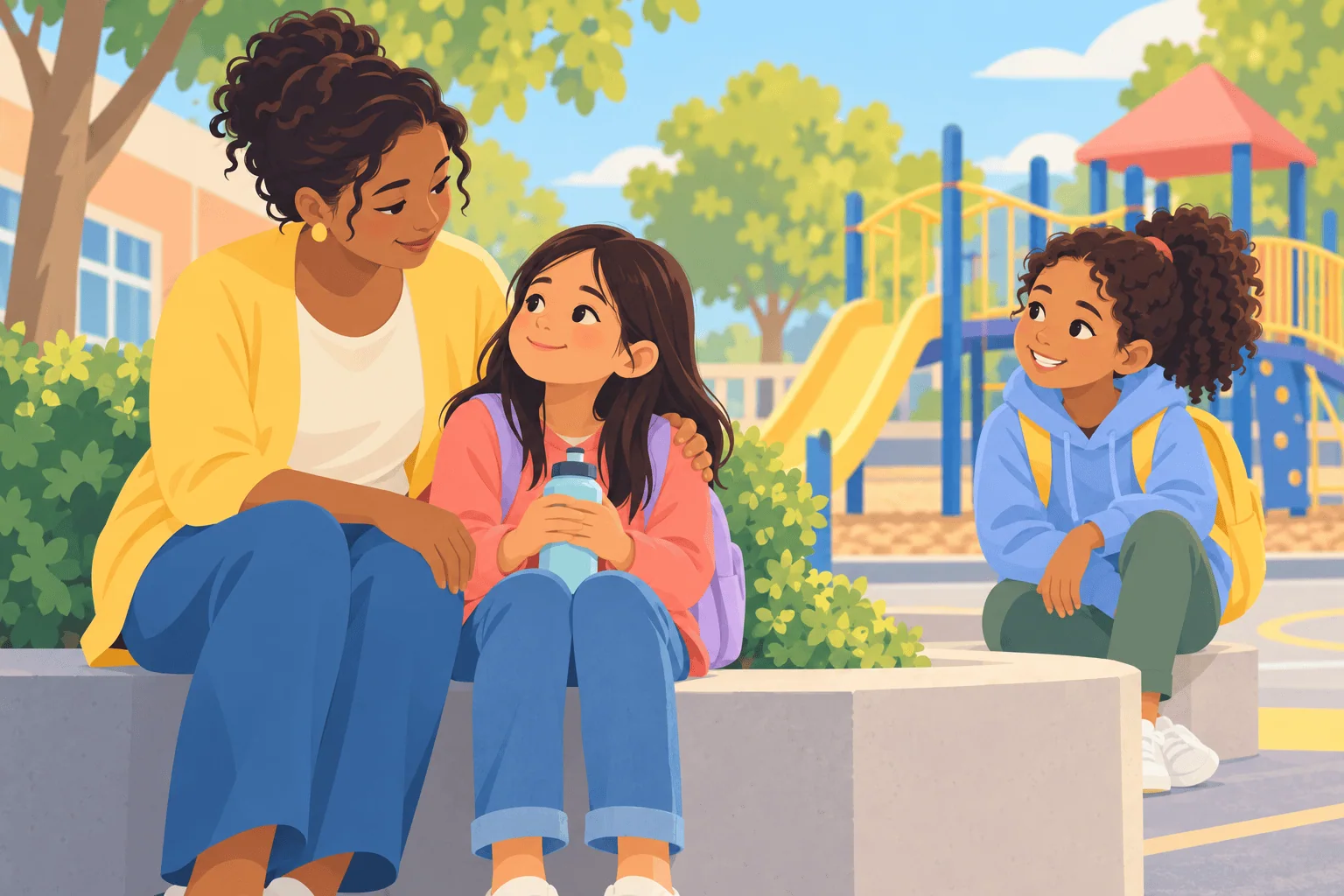
Start with, “That sounds painful. Tell me what happened from the beginning.” Ask who was there, what was said, what happened next and whether it has happened before. Keep your voice steady. A dramatic reaction can make a child protect you by leaving out details.
Do not investigate like a prosecutor. If they do not want to talk, offer another route: writing, drawing, messaging, walking side by side or speaking with another trusted adult. Say clearly, “You did not deserve to be humiliated. I will help you think through what comes next.”
Work out what kind of situation it was
People sometimes laugh from surprise, nervousness or misunderstanding. Peer conflict can also involve mutual hurt. Bullying generally includes aggressive behaviour, a power imbalance and repetition or the potential to repeat. Avoid forcing a label before you understand the pattern.
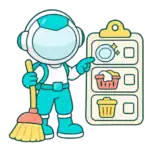
Ask whether the child feels safe returning, whether anyone has threatened them, and whether the incident continues online. Save messages or screenshots when digital evidence may be needed. Threats of serious harm, sexual abuse, extortion, hate-motivated violence or weapons require urgent local help.
Repair the meaning, not only the mood
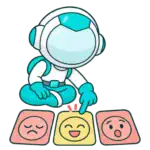
Children may convert one moment into a global verdict: “I am embarrassing,” “My voice is weird,” or “I should never try.” Reflect the specific event: “Some children laughed when your voice cracked. That was unkind. It does not define your voice or your right to speak.”
Avoid insisting that the child is wonderful at the activity. Credible reassurance is stronger: “You were learning,” “Most people make mistakes in public,” or “You can decide when and how to try again.”
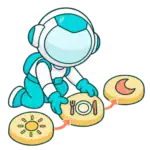
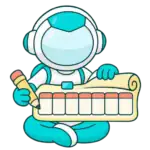
Make a return ladder
Ask what would make the next step feel safe enough. Options might include:
- Practise with one trusted person.
- Return as an observer or helper.
- Try a smaller group.
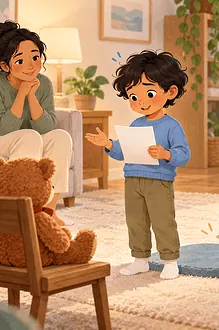
- Use a prepared opening line.
- Ask a trusted adult to be nearby.
Let the child choose the pace. Avoid arranging a surprise performance to “prove” they can cope. A return works best when it restores control.
Prepare a response without making the child responsible
A calm phrase can help: “That is not funny to me,” “Stop,” or “Do not talk to me like that.” Walking away and telling an adult are also strong responses. Rehearse the words briefly, then focus on the adults’ responsibility to keep the setting safe.
If this happened at school or an organised activity, contact the appropriate adult with facts: when, where, who was present, what was said and how it affected participation. Ask what supervision and follow-up are possible. Do not push children into an immediate public apology or face-to-face mediation when there is a power imbalance.
Rebuild belonging around the child
One supportive peer can matter more than a lecture about resilience. Help the child identify a friend, cousin, teacher, coach or counsellor who treats them with respect. Keep activities where they feel competent and welcome, but do not make success elsewhere a condition for feeling better.
Follow up after a few days. Ask whether the behaviour stopped and whether the safety plan is working. Persistent sleep problems, school avoidance, panic, hopelessness, self-harm talk or major withdrawal deserve prompt professional support.
Further EdCaptain guidance includes helping children be safe upstanders, responding to cyberbullying, and trying before confidence arrives.