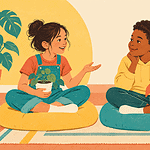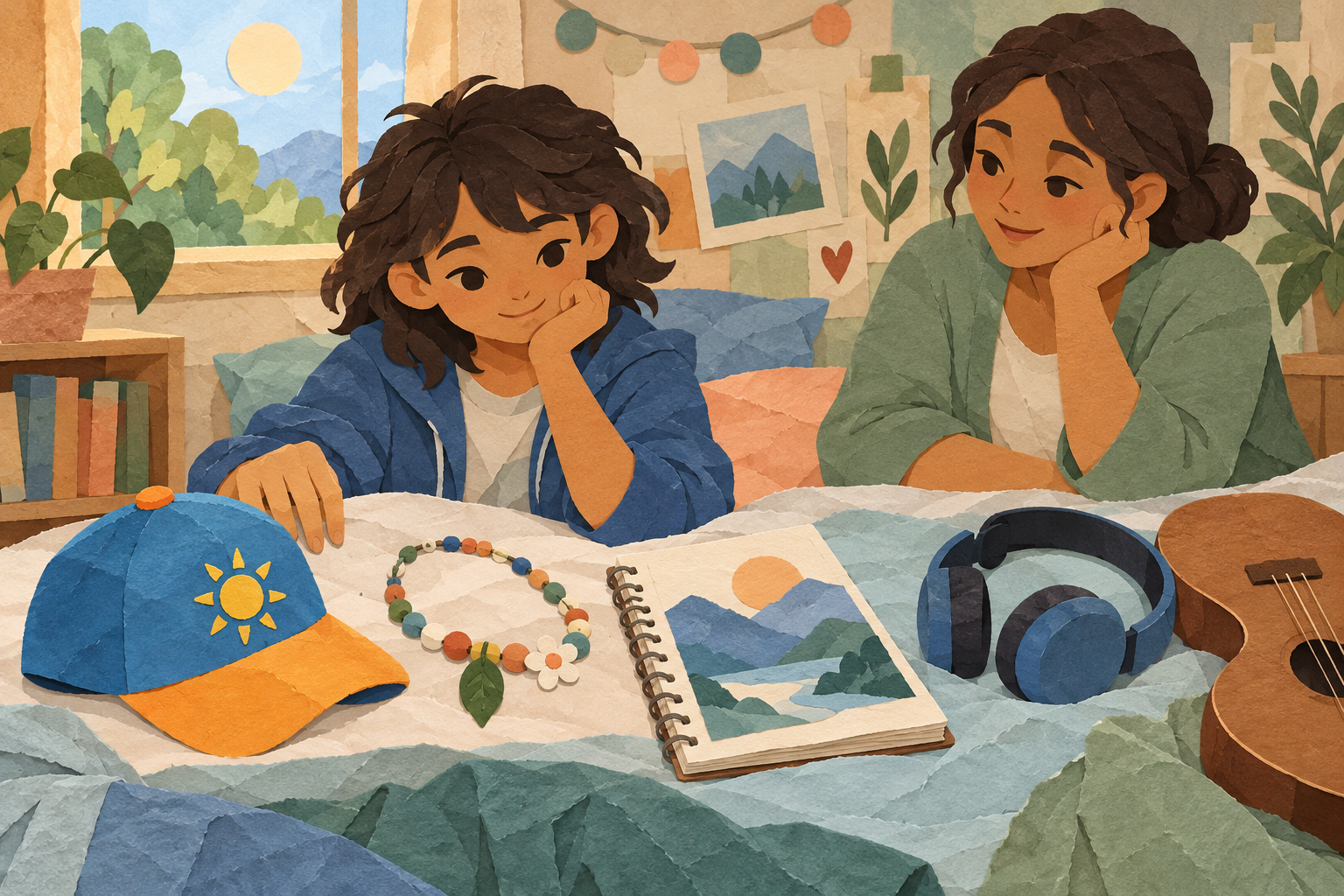
Children borrow phrases, clothes, music and interests from other people. That is part of learning who they are. It becomes worrying when a child seems frightened to reveal a preference, drops everything they enjoyed, accepts unkind treatment for membership, or says, “Nobody can know I like that.”
The parent’s task is not to uncover one permanent “true self.” Children change. The aim is to create enough safety that they can explore, belong and still hear their own preferences.
Do not mock the new version
Comments such as “Since when do you like that?” or “You are just copying your friends” invite secrecy. Begin with curiosity: “I noticed your style has changed. What do you enjoy about it?” The answer may be simple experimentation, a wish to connect, or pressure the child is not ready to name.
Resist treating old interests as more authentic because you preferred them. A child may genuinely outgrow an activity. Look for fear, loss of choice and self-criticism rather than change alone.
Ask questions that reveal freedom
Try questions that do not demand a confession:
- “Can people in your group like different things?”
- “What happens if someone says no?”
- “Is there anything you enjoy but keep private?”
- “Do you feel more like yourself with this group, less like yourself, or both?”
- “If nobody reacted, what would you choose?”
Listen for whether the child can disagree, spend time with others and leave an interaction without punishment. Belonging that depends on constant performance is fragile.
Keep several doors open
Do not respond by banning the whole peer group unless safety requires it. A sudden ban can make the group more important and remove your view into what is happening. Instead, protect access to other spaces: a cousin, old friend, club, faith group, sport, art class or online community with appropriate safeguards.
A child with more than one place to belong does not have to make one group carry their entire identity. Keep familiar interests available without pushing: leave the sketchbook accessible, invite rather than insist, and accept a no.
Make home a place where difference survives
Notice how your family talks about clothes, bodies, gender, accents, hobbies and popularity. Jokes that shame difference can teach a child to edit themselves long before peers apply pressure.
Let family members hold different tastes. Say, “You do not have to like the music I like, and I will not insult yours.” Share times when you changed your mind or tried something to belong, without turning the conversation into a speech about your own childhood.
Practise small acts of authenticity
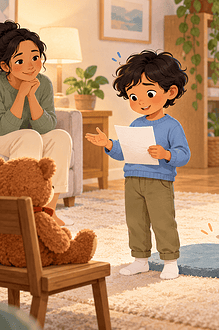
Ask the child to choose one low-risk preference to express this week: selecting a snack, keeping a favourite key ring on a bag, naming a different song, or saying “That is not really my thing.” Rehearse a neutral line:
- “You can like it; I’m into something else.”
- “I’m still deciding.”
- “I don’t want to make fun of that.”
- “I’ll meet you after, but I’m doing this today.”
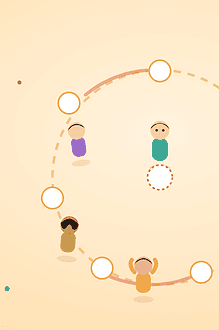
For younger children, use play figures to practise one character liking a different game while staying included. For teens, discuss how algorithms and group chats can make a trend seem universal when it is not.
Take harmful pressure seriously
Step in when belonging requires humiliation, secrecy from safe adults, sexual pressure, substance use, self-harm, stealing, hate speech, dangerous dares or sharing private images. Stay calm enough to hear the full story, preserve evidence when relevant, and involve the school or suitable local support. Immediate danger requires urgent help.
Persistent withdrawal, hopelessness, major sleep or eating changes, school avoidance or intense anxiety also warrant professional support. Frame help as added protection, not punishment for choosing the “wrong” friends.
Offer acceptance without claiming ownership
Your child needs the message: “You can bring your changing self home.” Keep limits around safety and respect, while leaving room for experimentation. Genuine confidence is not refusing all influence. It is being able to notice influence and still make a choice.
Related EdCaptain resources include a peer-pressure exit plan, signs of a controlling friendship, and everyday ways to support self-esteem.