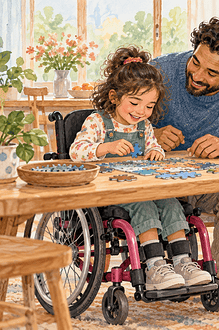
A new blended family may arrive with hopeful adults, rearranged bedrooms, unfamiliar routines and children who did not choose one another. Expecting everyone to behave like lifelong siblings immediately puts pressure on a relationship that has barely begun.
Let “respectful” come before “close”
The first goal is not affection. It is a home where people are safe, civil and allowed to adjust. A child can be polite to a stepsibling without sharing secrets, hobbies or every weekend. Avoid statements such as “This is your new brother, so you must love him.” Try: “You do not have to feel close right away. We do expect everyone to speak respectfully and follow the same safety rules.”
Children may grieve the earlier family arrangement or worry that liking new family members betrays another parent. Do not make them reassure the adults. Listen, acknowledge the loyalty conflict and keep adult relationship details out of sibling arguments.
Protect old relationships and personal space
Each child needs time with their own parent or long-standing caregiver. This is not a failure to blend; it is continuity. Put regular one-to-one time on the calendar, even if it is a short walk or shared errand.
Discuss bedrooms and possessions before moving things. If children share a room, define shelves, drawers and items that require permission. Do not turn one child’s belongings into family property overnight. Our guide to fairness between siblings can help adults explain why equal respect does not mean identical arrangements.
Use low-pressure ways to build familiarity
Choose activities with a shared focus rather than demanding conversation: making pizza, walking a dog, choosing music for a car journey or playing a cooperative game. Let stepsiblings opt out sometimes. Short neutral experiences often work better than a grand “family bonding day.”
Create a few household rituals that belong to the new family, while keeping meaningful older traditions. Take turns choosing. A preschooler may enjoy a weekly pancake shape; a teen may prefer choosing Friday’s film. The ritual matters less than having some influence.
Keep discipline predictable
Adults should agree privately on core rules, consequences and who handles what. Early on, the child’s own parent will often need to take the lead on correction while the stepparent builds trust and supports shared house rules. Never recruit children into adult disagreements or compare how “your kids” and “my kids” behave.
When stepsiblings argue, use the same calm process you would use for other children: safety first, each person heard, then a concrete next step. This sibling-conflict approach offers language that avoids turning every dispute into a verdict.
Know when to get support
Adjustment takes time, but persistent fear, aggression, severe withdrawal, school problems or a child feeling unsafe deserves attention. A paediatrician, school counsellor or family therapist familiar with blended families can help. Seek urgent local support if there is violence, coercion or immediate danger.
Closeness cannot be scheduled. What adults can build is a fair, stable home in which a genuine relationship has room to grow.