After a stomach bug, cough or playdate illness, it is tempting to spray every toy with the strongest product in the cupboard. That can damage materials, leave residue and create a new risk if chemicals are mixed or used against the label. Most families need a targeted plan based on who used the toy, what touched mouths or body fluids and whether anyone is currently ill.
Know the three different jobs
The CDC distinguishes:
- Cleaning: soap, water and scrubbing remove dirt and many germs.
- Sanitizing: a suitable product or process reduces germs to levels considered safe, especially for mouth-contact objects.
- Disinfecting: a stronger process destroys remaining germs and is most relevant when someone is sick or at higher risk.
Cleaning comes first. Dirt and residue can make sanitizers and disinfectants less effective. Routine family play usually does not require disinfecting every object every day.
Sort toys by material and use
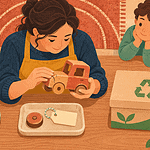
Create four groups: washable hard toys, mouth-contact items, fabric toys and electronic or mixed-material toys. Put damaged items aside. Check manufacturer instructions before soaking, heating, machine washing or using chemicals.
Clean items that are visibly dirty, heavily handled or shared. Give special attention to toys mouthed by babies, used during illness or contaminated by vomit, stool, blood or other body fluids. Keep contaminated toys away from children until the full process is complete.
Wash hard, nonporous toys
- Remove batteries if the manufacturer allows it.
- Wash with soap and water, reaching seams and handles.
- Rinse where the label or material requires it.
- Use a suitable sanitizing or disinfecting method only when needed and exactly as directed.
- Allow the item to air-dry completely on a clean surface.
Some nonporous toys can use a dishwasher sanitizing cycle, boiling, steaming or a correctly diluted product, but only if the manufacturer says the material can tolerate it. Never assume every plastic toy is heat-safe.
Launder soft toys carefully
Machine-wash washable fabric toys using the warmest appropriate setting listed by the manufacturer, then dry them completely. A stuffed toy with a sound module, weighted filling, foam interior or glued decoration may need surface cleaning instead. Do not return a damp plush toy to a closed bin where moisture remains trapped.
The AAP recommends choosing stuffed toys with secure parts and washable construction. Inspect seams, eyes, ribbons and filling after laundering.
Protect electronic toys
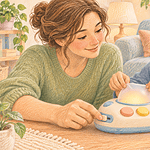
Do not spray liquid into speakers, ports, switches or battery compartments. Unplug the item, follow its cleaning instructions and apply product to a cloth only if permitted. Replace batteries only when the compartment is dry. If liquid entered the electronics or a battery is damaged, stop using the toy.
Use chemicals as labelled
Ventilate the area, keep products in original containers and store them away from children. Never mix bleach with ammonia, acids, vinegar or another cleaner. Follow dilution, contact-time, rinsing and protective-equipment instructions. “Natural” does not automatically mean safe for eyes, skin, lungs or mouthing.
EdCaptain’s household poison-prevention guide helps families store cleaning products safely. The safer toy guide includes construction features that make cleaning and inspection easier.
Make a short illness reset
Clean the small set the child actually used rather than emptying every cupboard. Wash hands, clean the play surface, handle laundry, and keep a separate basket for items awaiting cleaning. If an infection has specific public-health instructions, follow the child’s clinician or local health authority.
A sensible toy-cleaning plan is not the strongest chemical on the largest number of objects. It is the right method for the surface and situation, followed by thorough drying and safe storage.