Two arms, two legs, and a doorway, and suddenly a child has everything they need to understand angles without a single sheet of paper. Angles on the Body uses a child’s own limbs to make a genuinely abstract concept, degrees and angle types, something they can physically feel before they ever measure one.
What you need
Nothing but your child’s own body to start. A protractor, optional, for the later, more precise stage.
How to play
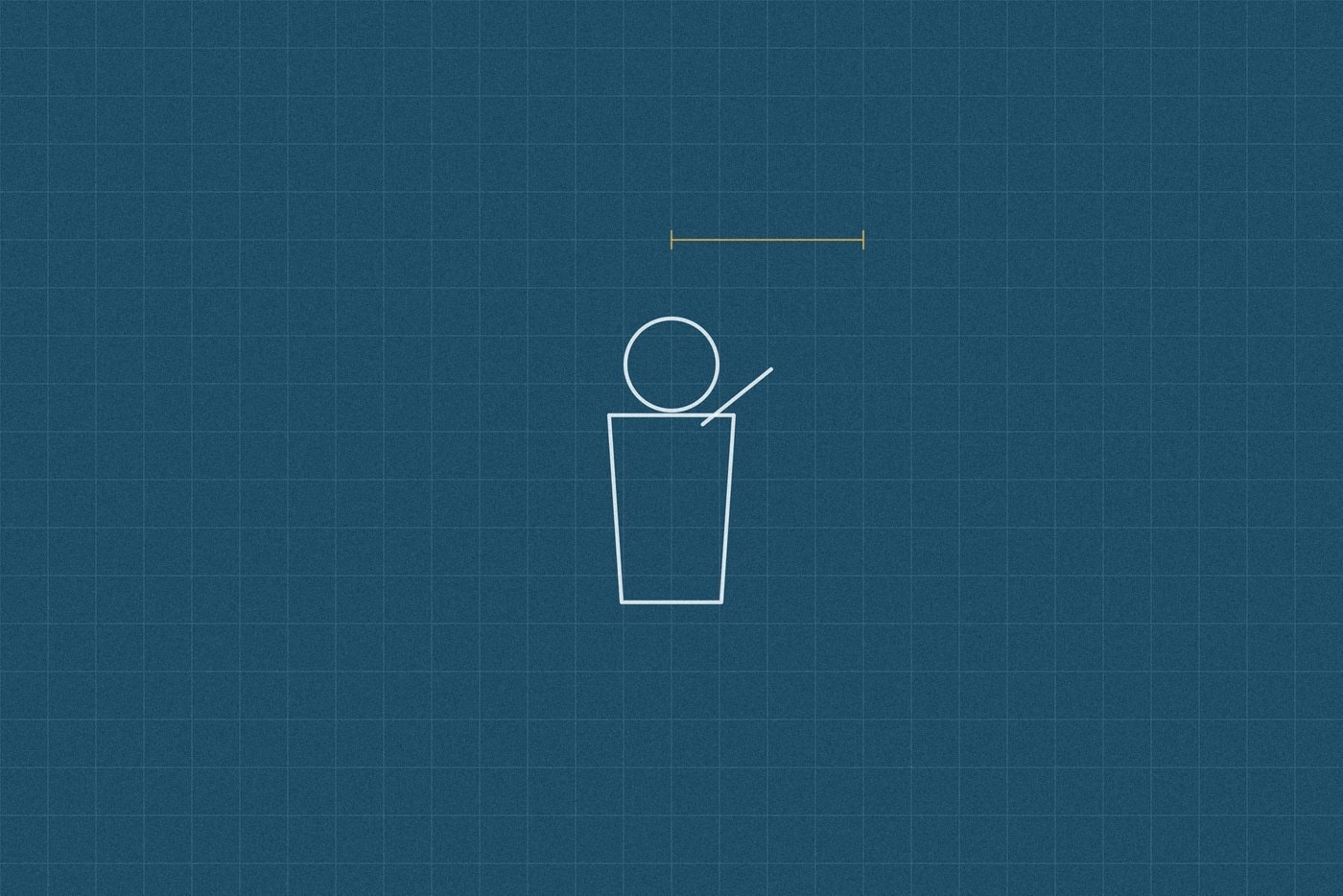
Ask your child to stand with their arms by their sides, then slowly raise one arm until it points straight out to the side, level with their shoulder. Explain that this is roughly a right angle, ninety degrees, the angle made by two perfectly square corners, like the corner of a book or a doorframe.
From there, explore the other angle types using the same raised arm: lower it slightly below shoulder height, and this is now an acute angle, anything less than ninety degrees. Raise it above shoulder height, closer to vertical, and this becomes an obtuse angle, anything more than ninety degrees but less than a straight line. Extend the arm all the way down to point at the opposite side (effectively in line with the other arm), and this represents a straight angle, exactly 180 degrees. A full spin all the way around back to the start is 360 degrees, a complete circle.
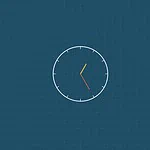
Once the basic categories feel familiar, look for right angles, acute angles, and obtuse angles around your home: the corner of a table, the hands of a clock at different times, an open door, a partly open book. Ask your child to point out and name what they see.
Moving to measurement
Once the categories are comfortable, bring in an actual protractor. Show your child how to line up its centre point and zero line with one edge of an angle, and read off the measurement where the second edge crosses the scale. Practise on a few angles drawn on paper, then on a few found around the house.
Variations
For two children or a small group, play a quick game: call out an angle type (“obtuse!”) and have everyone race to form it with their arms, bodies, or two sticks held together.
Why it works
Degrees and angle names are easy to memorise and forget just as quickly, because a number like “ninety degrees” has no felt meaning on its own. A child who has physically raised their own arm to roughly ninety degrees, and felt the difference between that and a much wider or narrower angle, has a genuine physical reference point to come back to, long after any specific fact about degrees has been forgotten and needs refreshing.
A few minutes spent waving an arm around the living room looks more like play than a maths lesson, which is more or less the point. A child who has felt the difference between an acute and an obtuse angle in their own body tends to recognise both considerably faster on paper than one who only ever met the terms as definitions to memorise.