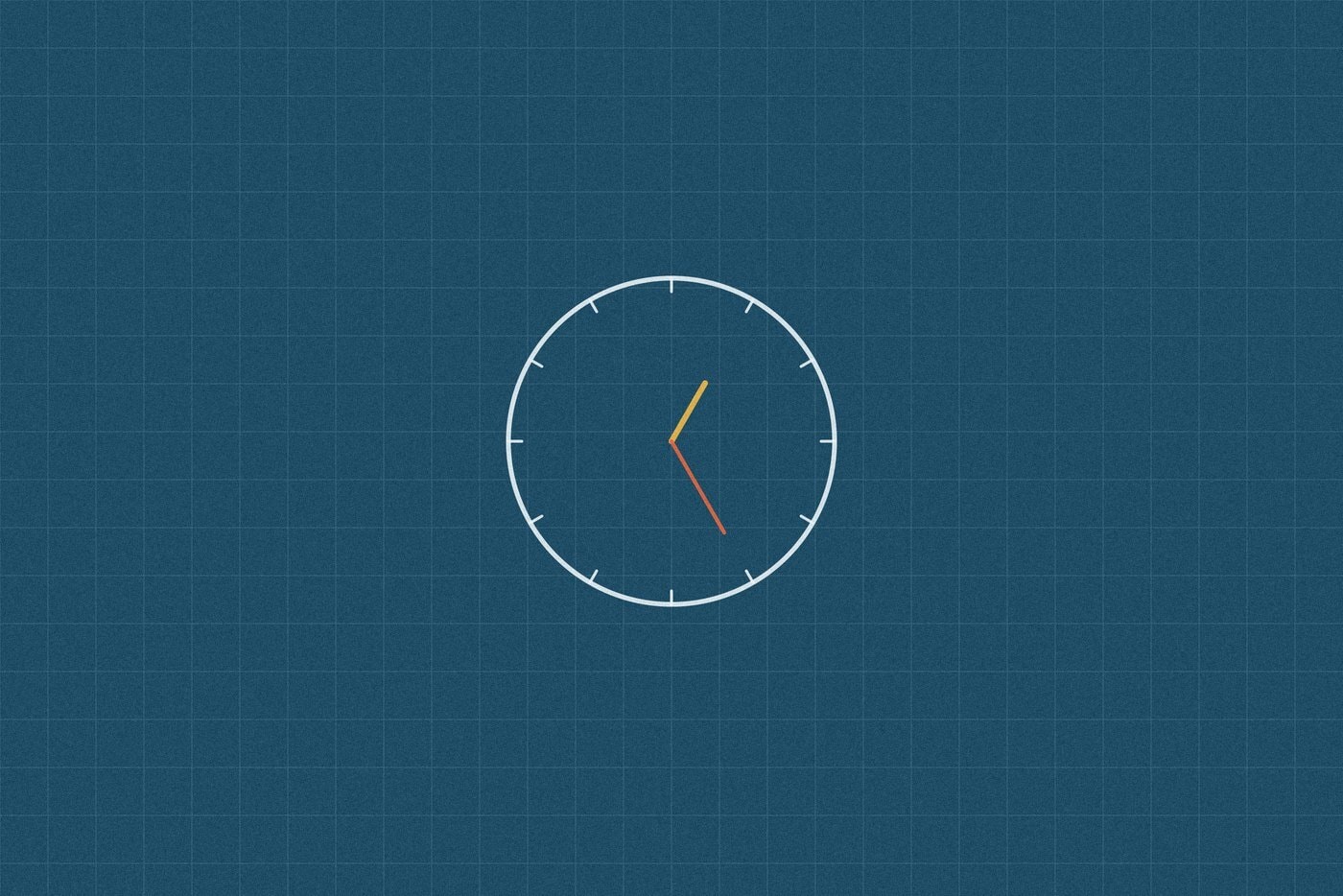
A plastic clock face, hands you can actually move, and the genuinely satisfying moment a child first reads the time correctly on their own. Reading the Clock walks through telling time step by step, using a toy clock or a simple paper one you make together.
What you need
A toy clock with moveable hands, or a paper plate and two strips of card to make one: a longer strip for the minute hand, a shorter one for the hour hand, both attached at the centre with a paper fastener.
How to play
Start with the basics: point out the three hands on a clock face, the hour hand (shortest), the minute hand (longer), and, if your clock has one, the second hand (thinnest, moving constantly). Explain that when the minute hand completes a full circle, the hour hand moves forward by one number.
Set the clock to a full hour, say three o’clock, and ask your child to read it. Move through several full hours, building confidence before introducing anything more complicated.
Once full hours feel secure, introduce half past: move the minute hand to point straight down (the six), and explain this means thirty minutes have passed, half of a full hour. Then introduce quarter past (the minute hand pointing right, at the three) and quarter to (the minute hand pointing left, at the nine), explaining that a quarter means fifteen minutes, a quarter of the full sixty-minute hour.
Once your child is comfortable reading these four key positions, start setting less tidy times, ten past, twenty-five to, and ask them to read the clock directly.
A nice connection to fractions
This is a genuinely good moment to connect clock-reading back to fractions your child may already know: half past really is half of an hour, a quarter past really is a quarter of an hour, and noon, the midpoint of a 24-hour day, is literally half the day. Pointing this connection out explicitly tends to make both concepts, fractions and time, reinforce each other rather than sitting as two separate, unconnected lessons.
Variations
Play a quick guessing game: set a time on the clock without letting your child see, describe an activity that typically happens around then (“this is about when we usually have dinner”), and ask them to guess roughly where the hands should be before you reveal the actual clock.
Why it works
A digital display gives a child the time instantly, with nothing to actually work out. An analogue clock face demands genuine reasoning, tracking two moving hands, understanding a cycle that resets every twelve hours, which is exactly why it remains such a good, concrete way to build a child’s broader sense of how time, fractions, and cycles all relate to each other.
A simple paper clock, a few minutes of practice a day, and a child moves from staring blankly at a clock face to reading it with real confidence surprisingly quickly. That skill, once it clicks, tends to stay for good.