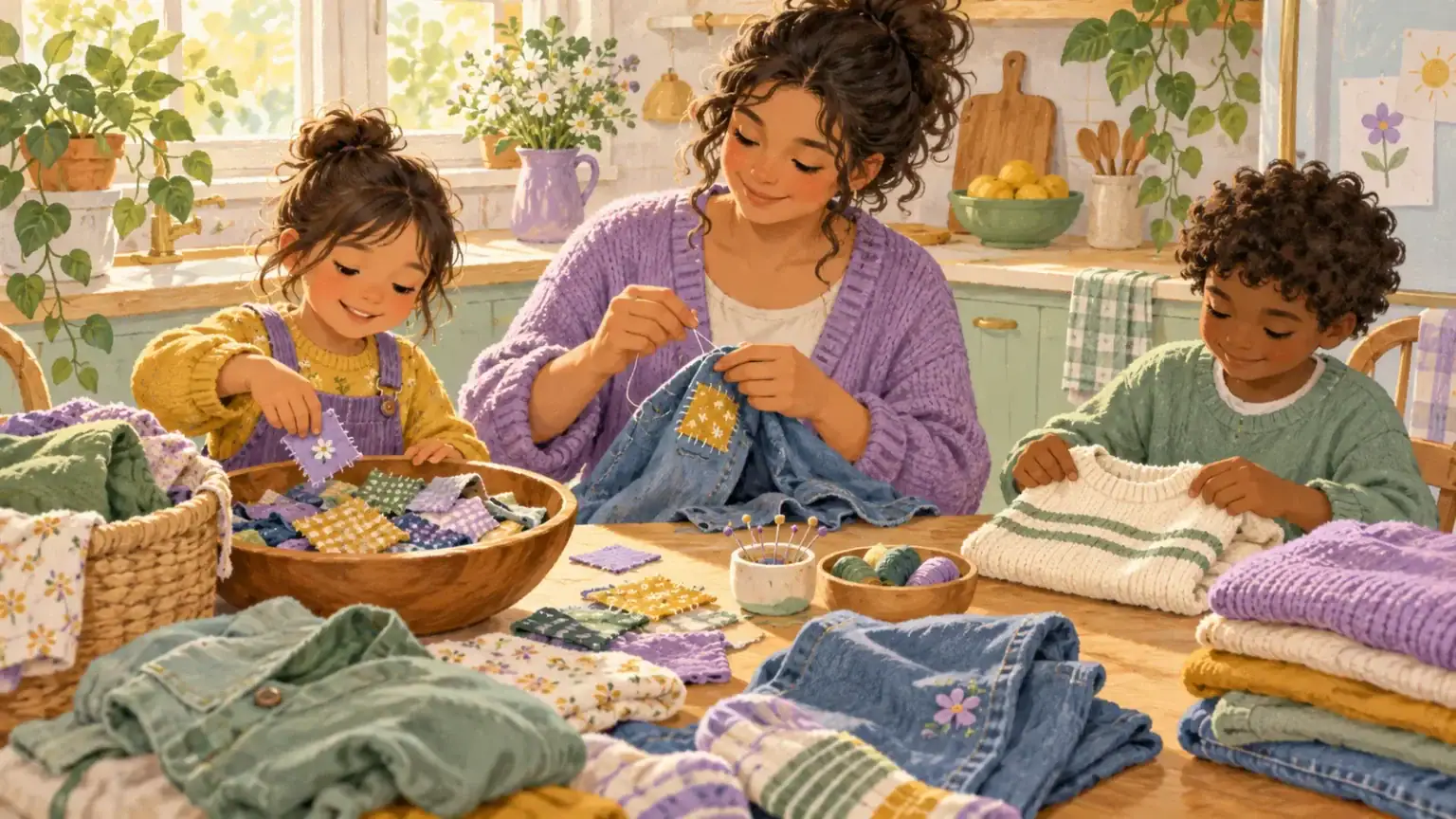
Children grow, fabrics wear and preferences change. Extending the life of clothes can save resources and money, but it should not mean forcing a child into something itchy, poorly fitting or embarrassing. The most sustainable garment is often one that is actually worn, cared for and passed on in usable condition.
Begin with a wearability check
Sort clothes into four groups: fits and feels good; needs a small repair; ready to pass on; and no longer safe or usable. Let the child try items without commentary about body shape or growth. Ask practical questions: Can you move, sit and raise your arms? Does anything scratch, pinch or drag? Would you choose this?
Babies and toddlers need adults to check fasteners, cords, loose decorations and fit. Older children can identify comfort problems. Teens may care strongly about style and privacy; include them before offering their clothes to someone else.
Choose repairs that match the garment
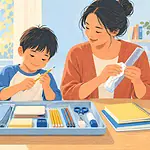
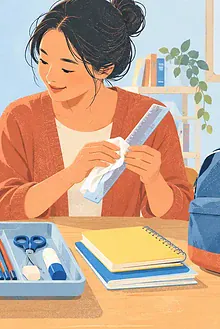
A missing button, small seam opening or decorative patch may be an easy adult repair. Follow care labels and use materials suited to the fabric. Repairs to protective equipment, sleepwear, shoes, child restraints or garments with safety functions may require manufacturer guidance or replacement. Never let a young child handle needles, pins, hot irons or fabric glue unsupervised.
Make the child a designer rather than a reluctant recipient. Offer two or three patch colours, move a decorative repair to a place they like, or turn trousers with damaged knees into play clothes if the fabric remains comfortable. A repair does not need to be invisible to be successful.
Care without creating laundry anxiety
Teach one skill at a time: put wet clothes where they can dry, close fasteners before washing when labels advise it, keep muddy shoes separate, or fold a favourite sweater instead of stretching it on a hanger. Adults remain responsible for detergents, machines and safe settings. Children do not need a lecture after every stain; stains are part of childhood.
Pass clothes on with dignity
Before creating a hand-me-down bag, ask the receiving family what they need. Send only clean, wearable items. Remove anything with broken fasteners, strong odour, mould, sharp parts or a repair you would not trust for your own child. Sort by approximate size, but remember sizes vary.
Within a family, avoid saying, ‘This was good enough for your sibling.’ Try, ‘Would you like to see whether any of these work for you?’ A child can decline. If money is tight, be honest without making them responsible: ‘We are choosing from these options today. Let’s find the one that feels best.’
Keep a small repair rhythm
Place clean items needing simple attention in one visible basket. Once a month, choose only what can realistically be fixed. If an item stays there repeatedly, decide whether a tailor, textile-recovery option or disposal route is more appropriate. The waste hierarchy in EPA guidance places refusing unnecessary purchases, reducing, reusing and repairing before recycling.
When buying used gear rather than ordinary clothing, additional safety checks matter. See our guide to buying secondhand children’s products safely. For a broader family waste project, reduce food waste without pressure.
Adapt the routine to the child
A child with sensory sensitivities may need tags removed, seams covered or a very small familiar wardrobe. A child with limited dexterity may need adapted closures or help dressing; do not replace accessible clothing simply because a less usable item is available secondhand. Keep successful adaptations intact when repairing. If a child shares time between homes, agree which clothes travel and which stay, so the child is not blamed when an item is elsewhere. The measure of success is comfortable participation, not the largest possible pile of reused clothes.