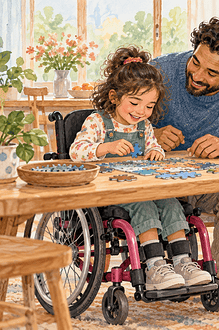
An older child may be capable, loving and genuinely good with a younger sibling. That does not make them automatically available to entertain, supervise or give up their plans. When “Please play with your brother for a minute” quietly becomes a standing job, affection can turn into resentment.
Separate contribution from parentification
Family members can help one another. A ten-year-old can read a short story while you make dinner. A teenager might agree to occasional babysitting. The line is crossed when the older child carries adult responsibility too often, cannot safely say no, misses school or social activities, or is blamed for a younger child’s behaviour.
Supervision must match maturity and local law. A child who cannot handle an emergency, contact an adult, manage basic safety or stay calm with the younger child should not be left in charge. Even a capable teen needs clear start and end times, emergency contacts and permission to call you.
Ask, agree and appreciate
Replace assumptions with a direct request: “Could you watch Maya from four to five while I attend the appointment? You can say if that does not work.” For regular care, agree on frequency, responsibilities and whether payment or another exchange is appropriate. Do not announce the arrangement after the older child has made plans.
Keep ordinary chores separate. Loading the dishwasher or helping with a family tidy-up is not the same as being responsible for another child’s safety. A fair household plan can reflect different ages without pretending every task is equal; see our guide to meeting different sibling needs fairly.
Do not force constant play
A younger child may adore the older sibling and ask for them all day. Help both children by offering a predictable yes and a respectful no. “Sam can build with you after lunch for twenty minutes. Right now, Sam is having private time.” Teach the younger child that a closed door, headphones or a planned activity can mean “not now.”
Shared play works better when the older child sometimes chooses the activity too. The American Academy of Pediatrics advises taking turns rather than always catering to the younger or less mature child. Try a cooperative game, drawing story or short outdoor activity, then let both children separate before the play turns sour.
Watch the emotional load
Check in privately: “Do you feel we expect too much help with your sibling?” Listen without defending yourself. Signs the balance needs changing include persistent anger, worry about leaving the younger child, hiding plans, dropping activities or acting like a second parent.
When a new baby has changed the family’s attention and expectations, supporting an older child who feels replaced may also help. The aim is not to discourage closeness. It is to let the relationship remain a sibling relationship, with room for generosity, boundaries and choice.