A child can love the new baby and still wish the baby would go away. They may become clingy, ask for help with things they could do yesterday, interrupt feeds or suddenly dislike bedtime. These behaviours often communicate, “Do I still have a place with you?”
Make room for mixed feelings
Skip “You love the baby, don’t you?” and try, “Sometimes having a baby here is fun, and sometimes it is very hard.” If your child says, “Send the baby back,” you can answer, “You wish you had me to yourself. I am glad you told me. The baby is staying, and your place in this family is safe.”
Feelings are allowed; unsafe actions are not. If a child grabs, hits or handles the baby roughly, move close and block the action: “I will not let you hurt the baby. You are angry, and I will help you move away.” Never leave a young child to supervise an infant.
Protect small pieces of reliable attention
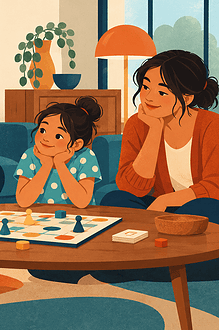
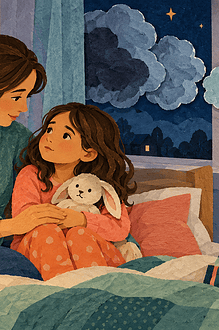
A long outing may be impossible, but a predictable ten minutes can be powerful. Keep one existing ritual where you can: a morning cuddle, school pickup question or bedtime song. Put it on the day in a way the child can trust. The short child-led routine in five-minute special time works even during demanding weeks.
Let the baby “wait” sometimes in your spoken language: “Baby, you are safe in your cot. I am finishing this page with your brother.” The infant may not understand, but the older child hears that their needs are not always second.
Invite involvement; do not recruit a junior parent
Offer real choices: select the baby’s socks, sing a song or bring a clean nappy. Accept “no.” Helping should create connection, not become the price of being a good sibling. Older children and preteens may prefer private time, a practical task or no baby role at all.
Expect a little backward movement
A toilet-trained child may have accidents. A child who dressed independently may ask for help. Respond without teasing: “You want looking-after time too. I can help with one sleeve, then you finish.” Give affection directly rather than requiring baby-like behaviour to earn it.
Avoid comparisons such as “The baby does not make this fuss” or “You are the big one, so you should know better.” When conflict emerges later, use clear safety rules and calm listening. Our guide to sharing without forcing can help with toys that belong to the older child.
Match support to age
- Toddlers: use short warnings before feeds and keep favourite objects out of the baby’s reach.
- Preschoolers: name the waiting and use visual turns: “Baby feeds, then your story.”
- School-age children: schedule dependable one-to-one time and answer questions honestly.
- Preteens: protect privacy and do not assume maturity means they need less reassurance.
Ask a pediatrician or qualified family professional for help if jealousy is not easing, aggression is repeated or dangerous, regression is severe, or the child shows lasting sadness, withdrawal or major changes in sleep, eating or school. Seek urgent help if anyone is at immediate risk.