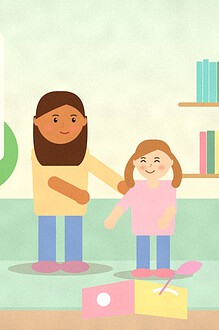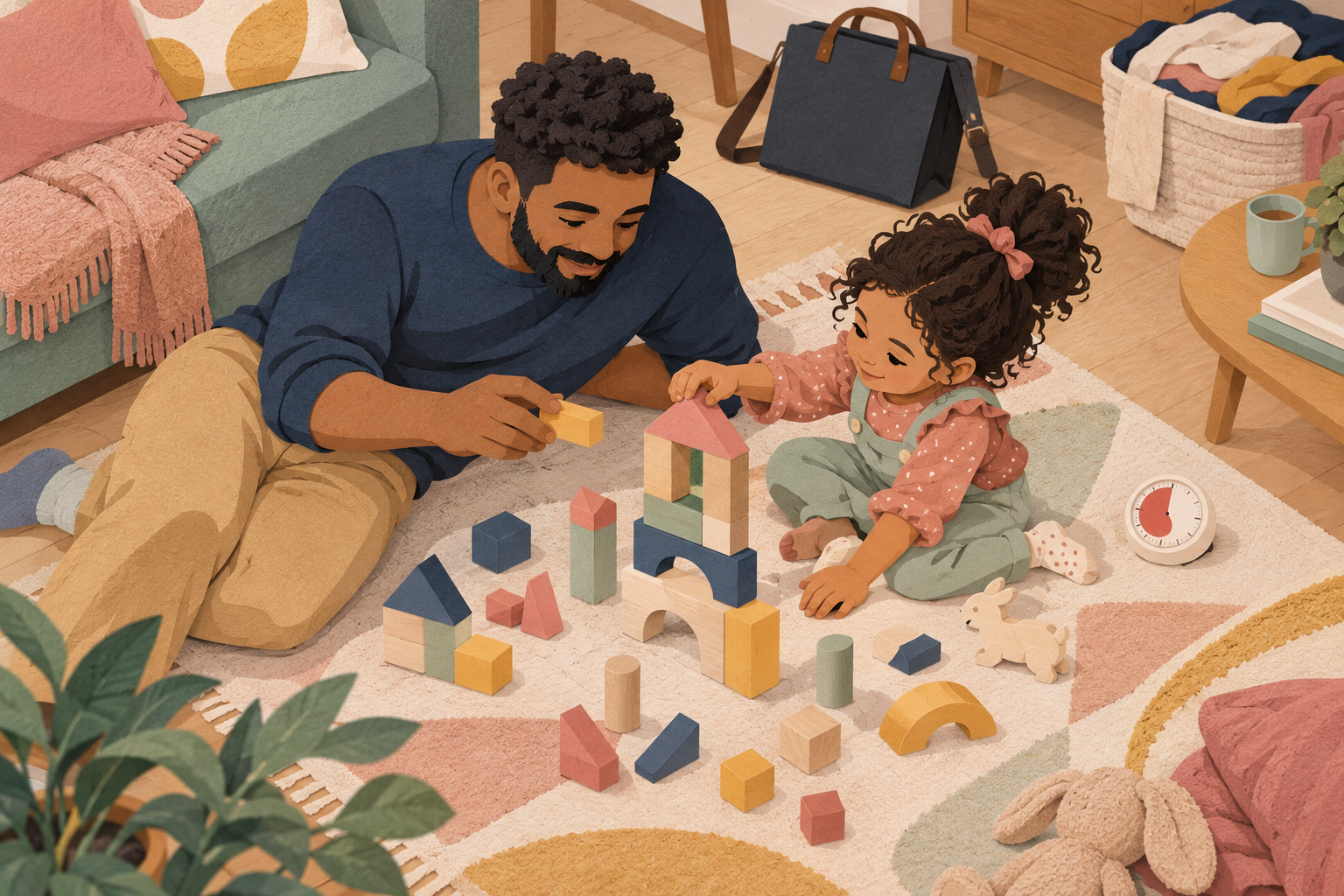
“Special time” can sound like another ambitious item on a parent’s list. It does not have to mean an outing, elaborate craft or hour of undivided attention. A short, predictable period in which your child leads and you follow can be enough to create a clear moment of connection.
The CDC suggests beginning with at least five minutes of child-led play for toddlers and preschoolers. Five minutes is a starting point, not a magic dose or a promise of better behaviour. Its value is that it is small enough to repeat.
Set it up simply
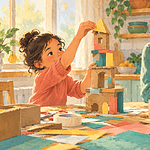
- Choose a safe activity with room for imagination: blocks, figures, paper and crayons, toy animals or pretend kitchen items.
- Put distracting screens away. If needed, use a quiet timer and tell your child, “For five minutes, you choose the play and I will join you.”
- Let your child decide what the objects become. You do not need to quiz, teach or improve the game.
- Show attention by imitating an action, describing what you see and reflecting their words: “Your train is climbing the cushion.”
- Give a clear ending warning, then name when you can do it again.
Limit directions and rapid-fire questions. “What colour is that? How many? Why did you do that?” can turn play into an interview. Try one genuine comment and leave space.
Keep real boundaries
Child-led does not mean unsafe or destructive. You can say, “You choose what we build. Blocks stay away from faces.” If the child wants an activity you cannot do, offer two available options. Ending on time is also a boundary: “Our timer is finished. I loved seeing your animal parade. We can play again tomorrow after snack.”
Adapt it to the child and the day
A toddler may repeat one action. A child who communicates without much speech may lead through gaze, gesture or movement; follow their focus without demanding words. A school-age child might choose cards, drawing or showing you a game. A teen may prefer a short shared task, music or a walk rather than being asked to “play.” The principle is the same: for a defined moment, be curious about their world.
If one-to-one time is hard with siblings, rotate whose turn it is and let the others know theirs is coming. On exhausting days, reading the same short book or sorting socks together can be the ritual. Connection does not require novelty.
For more ways to let a child begin an idea, see a small nudge toward independent play. If transitions out of the ritual are difficult, this guide to kind, clear endings may help.