Some children cry when they lose a game, make a mistake, hear a firm no or simply reach the end of a long day. Tears can be communication, release or a sign that the child’s coping capacity is temporarily full. They are not proof that a child is manipulative, weak or “too sensitive.”
Lower the temperature first
Move closer without crowding and soften your own face and voice. In public, protect privacy if you can. Try, “That really disappointed you,” or “Your tears are telling me this feels big.” Then pause. A child who is overwhelmed may not be able to explain immediately.
Ask what kind of support they want: “Would you like a hug, some space or help with words?” A preschooler may need you to offer two simple choices. A school-age child may prefer a tissue and quiet company. A preteen may want you nearby without questions.
Keep the limit separate from the feeling
Validation does not require changing a reasonable decision. “You are very upset that screen time is finished. It is still finished.” “It hurts to lose. The game result stays the same.” This is the same distinction used when responding to a tantrum or overwhelmed meltdown: feelings are welcome, unsafe behaviour is stopped.
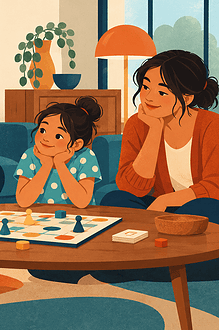
If crying is followed by hitting, throwing or insults, block the unsafe action calmly: “I will not let you throw the pieces. You can cry here, and I will keep the game safe.”
Do not rush to erase every tear
Repeatedly bargaining, distracting or removing the challenge can accidentally teach that tears must stop before life can continue. Comfort first, then help the child take one manageable next step. After an art mistake, for example, you might offer a fresh sheet, a repair idea or a break. Our guide to artwork mistakes has practical language for this.
Build a recovery menu when calm
Make a short list together: drink water, sit in a quiet corner, press hands together, move the body, draw the feeling, listen to music or tell someone, “I need a minute.” Practise one option during ordinary moments. The goal is not to stop crying on command; it is to help the child recover safely and return when ready.
Notice patterns for a week. Tears may cluster around hunger, tiredness, noisy environments, transitions, homework, teasing or fear of mistakes. A small routine change can be more useful than a lecture. Specific recognition helps too: “You were still sad, and you came back to finish.”
Avoid shame
Skip “big children don’t cry,” “stop being dramatic” or comparisons with siblings. Do not discuss the child’s tears as entertainment with other adults. If you reacted harshly, repair: “I called you dramatic. That was unkind. Your feeling was real, and I can still hold the limit respectfully.”
Talk with a pediatrician, school counsellor or qualified mental-health professional if crying is new or escalating, happens across settings, prevents ordinary activities, or comes with persistent sadness, withdrawal, sleep or appetite changes, bullying, panic or physical complaints. Seek urgent help for self-harm talk, abuse, immediate danger or inability to stay safe.