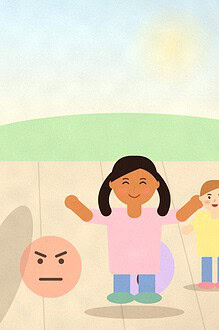
Parents often use “tantrum” for an outburst that seems connected to a limit and “meltdown” for a child who appears overwhelmed and unable to cope. These everyday words can be useful shorthand, but they are not a diagnosis. In the middle of intense distress, the first question is not “Which label is correct?” It is “What does this child need to become safe and able to engage again?”
Notice capacity, not just volume
Look at what is happening around the outburst. Did it follow a denied request, an abrupt transition, hunger, noise, crowds, pain or a long day? Can your child hear a short sentence, make a choice or respond to your presence? Or do more words, eye contact and touch seem to increase distress?
A child may move between these states, and an outburst can have several triggers. Avoid deciding that one kind is “manipulative” and the other is “real.” Behaviour communicates something, but the message is not always obvious while everyone is activated.
What to do during the outburst
- Make the space safe. Move breakable objects, block hitting gently and guide the child away from traffic, stairs or crowds.
- Lower your own intensity. Use fewer words and a quieter voice. The CDC advises caregivers to remain close, allow time and space, and wait until both people are calm before emotion coaching.
- Reduce stimulation when overload is possible. Dim lights, step outside, pause questions or offer a quieter corner. Do not force touch; some children want pressure or a hug, while others need space.
- Hold necessary limits. “The tablet stays off. I’m here.” Calm support does not require reversing a boundary.
If speaking helps, use one simple line: “You’re safe. I’ll stay nearby.” If language adds pressure, quiet presence may be more useful.
Teach after recovery
When your child is calm, offer water, food or rest if appropriate. Then review without shame: “The shop was loud and stopping the video was hard. What might help next time?” Depending on age and ability, plan a warning, headphones, a picture schedule, a break signal or a smaller errand.
Do not require a detailed conversation immediately. Some children need much longer before they can reflect. Repair any harm later: help return thrown items, check on someone who was hit or practise words for next time.
When to seek help
Talk with a qualified health professional if outbursts are frequent, dangerous, unusually long, linked to pain or loss of skills, or seriously affecting school and family life. Bring notes about triggers, duration, recovery and what helps. Seek urgent help if anyone is in immediate danger.
This article is distinct from our legacy guide to general toddler tantrum strategies. For a smoother landing after demanding days, see the after-school crash.