
By EdCaptain editorial desk · Published
The last guest has gone, the cups are still on the table, and your child begins to cry. “I want my birthday back.” You may feel baffled: they enjoyed the games, saw their friends and seemed happy all afternoon. Now you are wondering whether the celebration somehow fell short.
For children aged 3–9, an enjoyable event can still have a difficult ending. Your child may miss the company, wish a favourite moment could continue, or need a quieter finish to a busy day. Start by finding out what this ending means to them, rather than deciding that the tears mean disappointment with everything you arranged.
Let the party be over without making the feeling stop
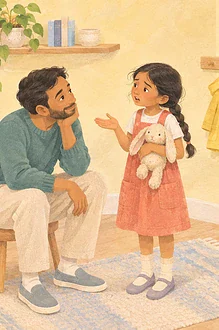
Try, “You wanted it to keep going. It’s hard that everyone has gone.” Sit nearby, offer a hand or a cuddle if welcome, and keep your first response brief. You do not need to list the treats they received or remind them how much work the party took.
“After everything we did, you should be happy” asks a child to protect your feelings while managing their own. Save your understandable tiredness or frustration for a conversation with another adult. Your child can appreciate the day and still be sad about its ending.
If they are too upset to talk, offer quiet company first. The CDC’s emotion-coaching guidance advises keeping children safe and waiting until everyone is calm before working through feelings and solutions. You can leave the conversation for later while continuing the evening.
Ask which part they want back
When your child can engage, use a concrete question: “Is it having your friends here that you miss, or something else?” Allow them to correct your guess. “I don’t know” can be the answer for now.
The detail matters. Missing a friend calls for a different response from discovering that a promised game never happened. If something went wrong, listen to that experience rather than explaining it away as tiredness. Our guide to helping a child handle disappointment offers support when a particular hope was not met.
If the day went well, you might hear, “I just liked everyone being here.” Answer that directly: “Being together mattered to you. I liked that part too.” Avoid turning the question into a review of whether your child was grateful enough.
Make the next hour easy to understand
Keep the transition ordinary and manageable. Say what happens next: “We’ll have some water, put on comfortable clothes and choose a story. The party is finished, and I’m still here.” If a meal or snack is due, offer the usual choices. Check practical needs without treating them as a complete explanation for the feeling.
Let adults handle the main clearing-up while your child settles. Later, a willing child can put their own card somewhere safe or help with one small task. Clean-up should not become a punishment for being sad.
Hold any needed limits calmly. “You can cry. I won’t let you throw the cups. Let’s sit over here.” The Illinois Early Learning Project’s guidance on disappointment supports acknowledging feelings, offering affection and helping children find ways to cope while keeping limits on hurtful behaviour.
You do not have to restart the party to end the crying. If your child asks you to call everyone back, try, “They’ve gone home for today. We can miss them without bringing them back tonight.” Avoid promising another party, a purchase or a special outing just to make this moment feel better.
Use an ending your child can take part in
Ages 3–5: Keep the sequence short and visible. Point to the empty chairs: “Friends went home. Now it’s our quiet evening.” Offer two real choices, such as a familiar book or sitting with you. A small goodbye can help mark what has happened: wave at the door together or place one birthday card beside the bed. Let your child decline.
Ages 6–9: Ask whether they want company, a little space with you nearby, or help remembering one moment. They might draw a favourite game, dictate a sentence about the day or choose one photo to look at privately. They do not need to make a scrapbook or produce a happy ending on demand.
A child who uses a communication device or pictures can choose “miss friends,” “too much,” “sad” or “not sure” in their usual system. A child who dislikes reviewing pictures may prefer a familiar activity unrelated to the party. Match the support to their response, not to an adult idea of a perfect birthday memory.
Later, saying “I had fun and I wish it wasn’t over” can give both parts room. Our guide to understanding mixed feelings explores that idea more fully.
Do not turn the next morning into a gratitude test
Offer a normal welcome to the day. You can ask, “How are you feeling about yesterday now?” without insisting that your child has moved on. Thank-you messages can happen when they are ready to contribute; the message can name something they enjoyed without requiring a cheerful photograph or a performance for relatives.
If your child wants to repeat one element, see whether it fits ordinary life. The party game might work with a caregiver on another afternoon. A friendship can continue through an agreed future visit. Be clear about what you can promise, and let a small familiar pleasure remain small rather than making it a replacement celebration.
Before the next big occasion, explain the ending as well as the beginning: when guests leave, who stays with your child, and what follows. Keep the plan flexible if the child needs less conversation or more rest.
Notice when sadness needs more support
There is no single timetable a child must meet for feeling cheerful again. Look at the wider picture. If low mood keeps returning or does not ease, your child loses interest in things they usually enjoy, or changes in sleep, eating, friendships or everyday participation concern you, speak to their healthcare professional. Do not wait for another birthday or a fixed number of days if you are worried.
The NHS guidance on depression in children describes signs that deserve attention; an unhappy evening after a party is not enough to diagnose depression. If your child talks about wanting to die or hurt themselves, seek urgent professional help. If they are in immediate danger or you cannot keep them safe, stay with them and contact local emergency services. The NHS also explains when mental health concerns need urgent care.
You can let a good day remain good without asking your child to feel good at every point in it. A quiet ending, a believable next step and room to miss what happened are enough to offer tonight.