Anger itself isn’t the problem, every child feels it, what actually matters is what a child does in the moments right after it shows up. Calming Down When Angry gives a child a concrete, practised sequence for exactly that moment.
Why this skill matters
A child who has no practised way to handle anger tends to act on it directly, shouting, hitting, or storming off, which usually makes whatever triggered the anger considerably worse. A child with a genuine, rehearsed way to calm down first can address the actual problem afterward, with a clear head, rather than making things worse in the heat of the moment.
The steps
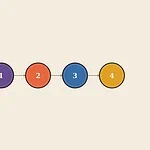
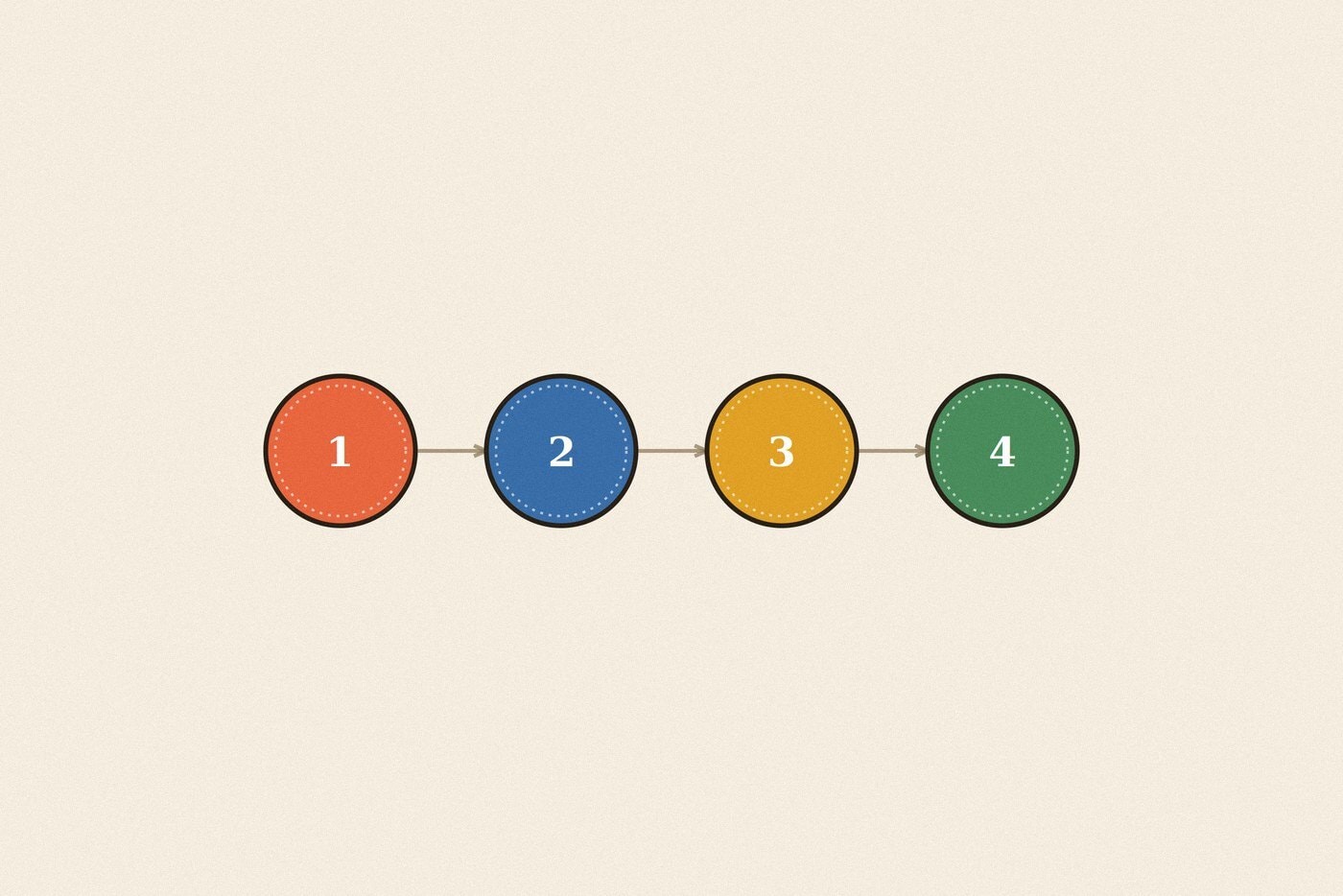
1. Notice the anger as early as possible. Recognising the first signs, a tight chest, clenched fists, a racing heart, gives you the best chance of catching it before it takes over.
2. Take a few slow breaths. Slowing your breathing on purpose is one of the fastest ways to actually calm a racing body.
3. Step away if you can, even briefly. A short physical break from the situation gives the initial wave of anger room to settle.
4. Come back and talk about it calmly once you’re ready. The problem that triggered the anger is often still worth addressing, just once a calmer conversation is actually possible.
How to teach this at home
Practise the steps during a calm moment, not in the middle of real anger, walking through what each one feels like and why it helps. Create a specific, agreed “calm down spot” at home, a particular chair, a corner with a cushion, so your child has a concrete place to go to rather than just a vague instruction to “calm down.”
Model the sequence yourself when you’re frustrated, narrating it out loud, “I’m feeling really frustrated right now, I’m going to take a few breaths before I say anything else,” which shows your child the exact pattern in real use.
Why stepping away isn’t avoiding the problem
It’s worth being explicit that stepping away to calm down isn’t the same as ignoring or avoiding whatever caused the anger in the first place, the plan always includes coming back to actually address it, just once a calmer conversation is genuinely possible. Framing it this way helps a child see the pause as a tool for handling the problem better, not as a way of dodging it.
A child who can notice their own anger rising, take a few deliberate breaths, and step away briefly before responding is building one of the most genuinely useful skills there is, one that keeps mattering for the rest of their life, well past childhood.