Age guide: 3–7 years. Adapt suggestions to your child’s interests, communication and support needs.
Your child has barely started driving the toy bus when another child reaches for it. “Share nicely” seems like the obvious answer. To the driver, it may sound like “Give it up because someone else wants it.”
You can teach consideration while making room for a child to finish a turn. The child waiting needs support as well.
1. Stop grabbing before negotiating
Move close and calmly prevent pulling or hitting. Try: “I won’t let you grab it. Maya is using the bus.” Then acknowledge the other child: “You want a turn too.”
Keep the explanation brief. A child who is upset needs help with the immediate situation before a speech about generosity.
2. Make the arrangement understandable
For a shared toy, agree how turns will work. A short, visible timer may help some children; others do better with a clear stopping point, such as parking the bus after one more trip. Stay nearby to support the change.
ZERO TO THREE’s guidance treats sharing as a skill young children develop with adult support. Do not expect one successful exchange to mean the skill is settled forever.
3. Give waiting a practical shape
- Help the waiting child choose another toy or activity.
- Let them ask for the next turn in words or a gesture.
- Tell them what will happen next, then follow through.
- Offer comfort without taking the toy away simply to stop the upset.
Waiting does not become easier because an adult calls it easy. Your calm presence is part of the support.
4. Protect a few personal belongings
Before a playdate, let your child put treasured or fragile items away. Choose what will be available for shared play. A comfort object does not have to become communal property.
For a toy that belongs to the host, you can set a reasonable household arrangement in advance. Tell both children the plan rather than inventing a rule midway through an argument.
5. Practise when the stakes are lower
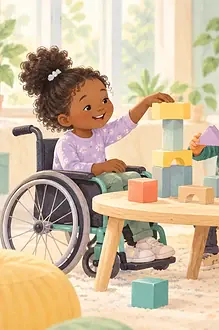
Take turns adding large blocks to a tower or choosing a song. Give your child a chance to offer something voluntarily, and accept that an offer may not happen today.
When they do hand over the bus, notice what mattered: “You remembered the next turn and passed it over.” Avoid comparing them with a supposedly more generous sibling.
If turns keep ending in distress, make the visit shorter, add a duplicate of a popular basic toy if you already have one, or choose parallel play. Making the situation manageable gives everyone more room to practise.
Try next
- More than “say sorry”: helping children make things right
- Kind and clear: helping your child say no without being unkind