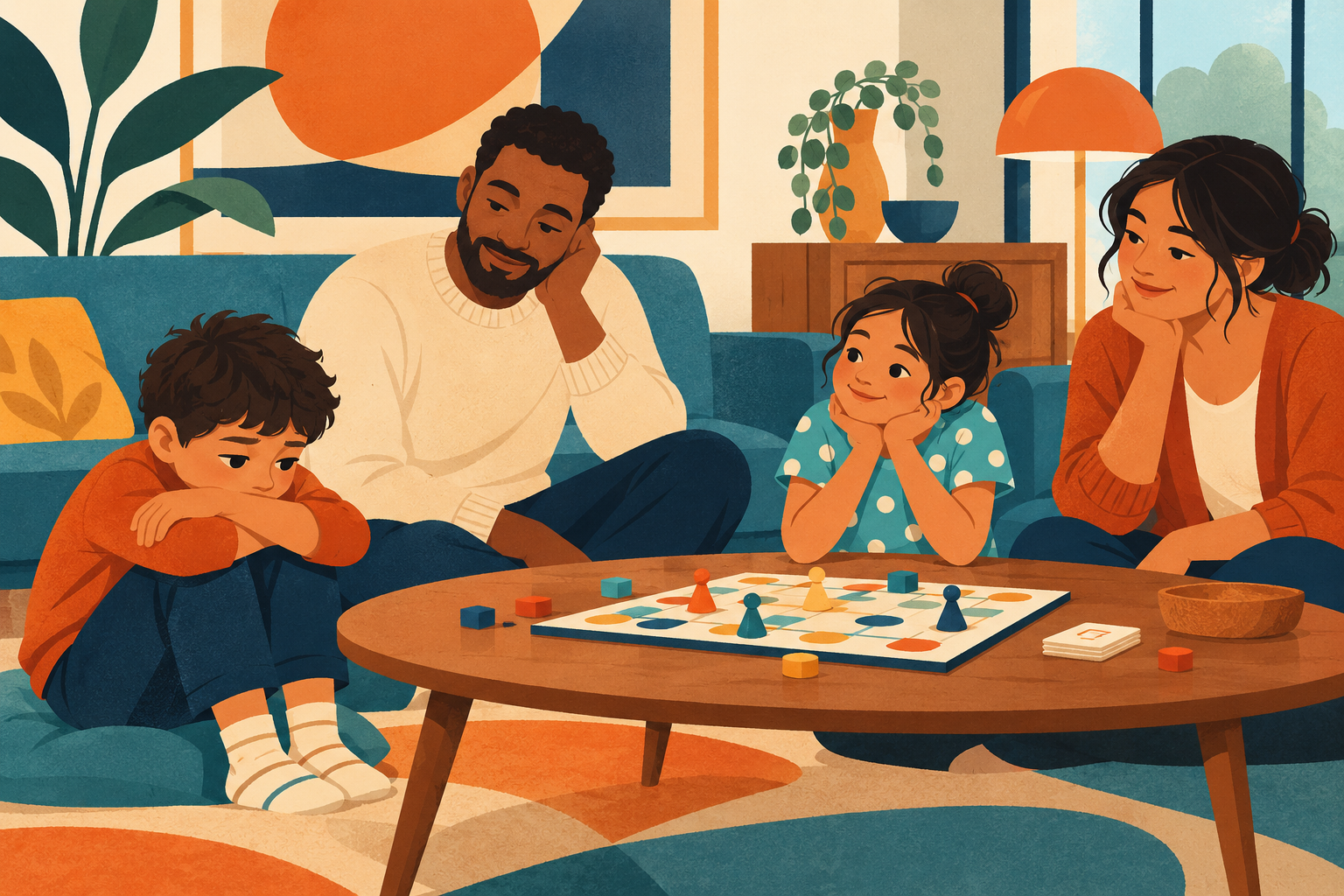
A child sweeps the pieces off the board, argues with the referee or refuses to shake hands. Adults often reach for “Be a good sport,” but sportsmanship is a bundle of skills: tolerating disappointment, calming the body, respecting others and trying again. Those skills need practice before and after the loss, not a lecture at the peak of it.
Set the plan before the game
Keep expectations short: “We may win or lose. We keep hands safe, speak respectfully and finish in the agreed way.” Ask your child to choose a reset: three breaths, a drink of water, squeezing hands, stepping aside with an adult or saying, “Good game,” after a pause.
For preschoolers, use short cooperative games and stop while everyone still has energy. School-age children can practise a losing sentence. Preteens and teens may want a private signal that means “take a break” without public embarrassment.
Handle the hot moment with few words
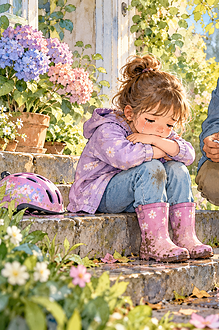
If the child is simply sad, allow sadness. “You wanted that win. This hurts.” Do not demand a smile or immediate gratitude. If behaviour becomes unsafe or cruel, act: “I will not let you throw the pieces.” “We are stepping away because insults are not part of this game.”
Wait to coach until the body is calmer. This mirrors the approach in tantrum or overwhelmed meltdown: safety and regulation first, teaching later.
Focus on what was controllable
Pressure to win can add stress. After the game, replace “Why didn’t you win?” with:
- “What part felt fun or interesting?”
- “What did you keep trying?”
- “Was there a moment of good teamwork?”
- “What would you practise before next time?”
Be specific rather than praising everything. “You lost the point and still returned to your position” teaches more than “You were amazing.” Read more about specific, honest praise.
Repair matters more than a perfect reaction
If the child insulted someone, damaged equipment or cheated, the loss is not the only issue. Once calm, ask what needs repair. That may mean replacing pieces, apologising, checking on a teammate or speaking to the coach. Do not force a dramatic apology while the child is still flooded; use a genuine repair when they can take responsibility.
Practise losing in small doses
Play quick games where outcomes change often. Model your own disappointment: “I wanted to win. I’m taking a breath, and I can say well played.” Avoid secretly letting the child win every time. Instead, adjust the game so challenge is fair, teach the rules clearly and sometimes choose cooperative play where everyone works toward one goal.
Seek support from a pediatrician, school team, coach or qualified mental-health professional if losing routinely leads to dangerous aggression, panic, prolonged distress, refusal of ordinary activities or conflict across settings. Sudden changes may signal bullying, pressure or another problem worth exploring.