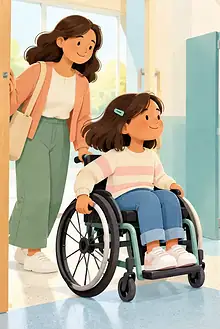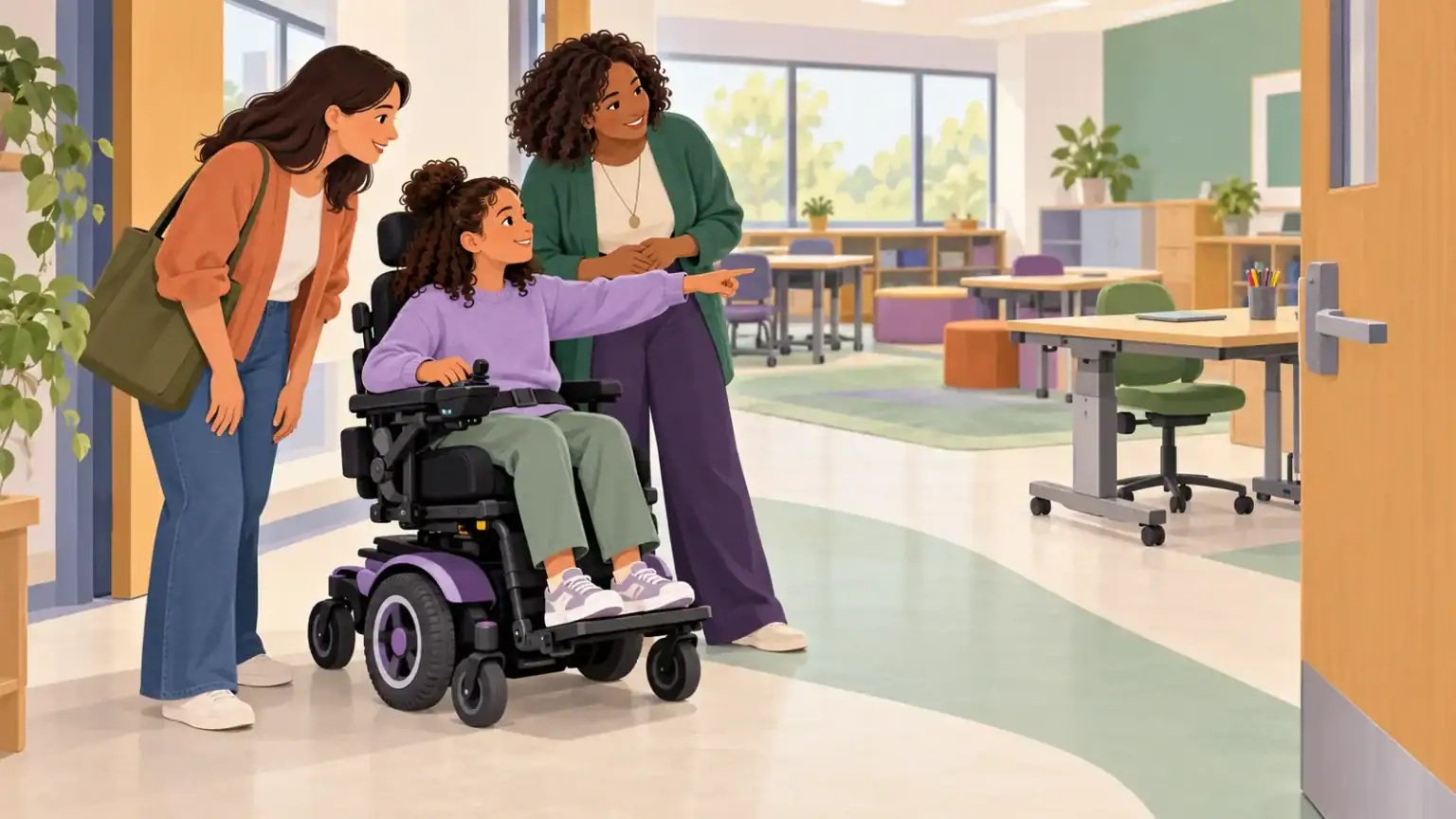
A ramp and an accessible desk do not automatically create an accessible school day. A child may enter the building but miss science because the lift is slow, avoid drinking because the toilet is unusable, or arrive exhausted after a long route between classes. A strong plan follows the child from arrival to departure and assigns each action to a named person.
Walk the day with the child. Their experience will reveal barriers that a building checklist misses.
Start at arrival
Document drop-off, parking or transport handover; weather shelter; kerbs and gates; door operation; crowded corridors; lifts; and a backup route. Allow enough transition time without routinely removing the child from learning early. If peers use one entrance, avoid a separate back-door route unless it is genuinely the child’s best option.
For every specialist room, assembly area, dining space and playground, ask: can the student enter, turn, reach materials, sit with peers and leave safely?
Plan learning access at the point of use
- An adjustable or correctly sized work surface with knee and device clearance
- Materials, switches and storage within an agreed reach range
- Seating or positioning recommended for the individual child, with changes during growth
- A way to participate in practical subjects, performances, laboratories and group work
- Accessible digital alternatives when physical manipulation is a barrier—but not as an automatic substitute for hands-on learning
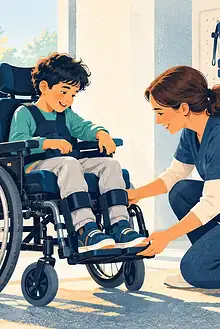
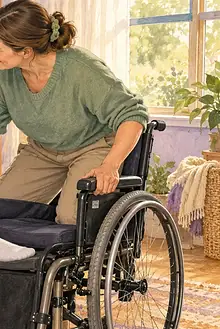
Keep mobility devices within reach unless the child and team have agreed otherwise. Staff should not add cushions, straps or supports without professional guidance.
Write down personal-care and transfer arrangements
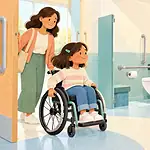
Specify the accessible toilet or changing area, privacy, supplies, timing, trained staff and backup. The child should not have to explain intimate needs to a new adult every day. Ask consent before assistance and speak directly to the child. Where mechanical lifting or transfer support is used, follow the assessed plan and equipment instructions; never improvise a manual lift.
Protect learning time. If personal care repeatedly removes the child from the same subject or break, adjust the timetable or staffing rather than treating exclusion as inevitable.
Include energy, pain and changing function
Some children can walk part of the day and use wheels for distance. Some have variable fatigue, pain or recovery needs. The plan can include rest, a shorter route, flexible seating, access to water or medication under school policy, and a way for the child to signal a change. Using a mobility aid on a difficult day is a strategy, not a failure.
Record urgent warning signs and exactly whom staff contact. General staff do not need a detailed diagnosis; they need actionable information.
Make PE, breaks and trips real
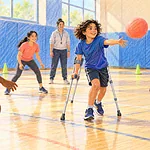
Recess, clubs, field trips and sports are part of school. Audit transport, surfaces, toilets, seating and activity access before permission slips go home. Do not offer a child a library alternative by default. Our guide to noticing movement effort can support flexible pacing, while the crowded-place plan helps with safer outings.
Prepare evacuation and breakdown backups
Write routes and roles for fire, lockdown and other local emergencies. Never assume a lift can be used. Identify evacuation equipment, trained adults, communication with the child and the reunification plan. Practise in a way that preserves dignity and does not separate the child unnecessarily.
Also plan for a flat tyre, dead battery, absent aide, broken lift or inaccessible temporary classroom. A backup should maintain participation, not send the child home whenever a system fails.
Turn the plan into accountable actions
For each support, write who, what, when and how progress will be checked. In the United States, an IEP or 504 plan may document services and accommodations; other countries use different processes. Wherever you live, request changes in writing and include concrete examples of impact.
Invite the child to every decision at an age-appropriate level. UNICEF’s disability-inclusive education guidance emphasizes accessible environments, transport, WASH and child feedback. Our inclusive school plan for blind and low-vision students provides another whole-day model, and the intellectual-disability school plan shows how to keep participation meaningful.
Review after the first weeks, after growth or equipment changes, and whenever the child reports a new barrier. Access is not a one-time form; it is the daily result of clear planning, listening and repair.