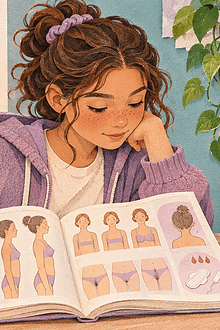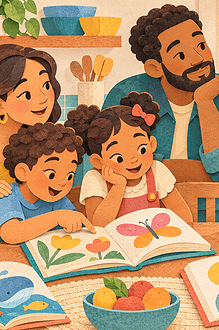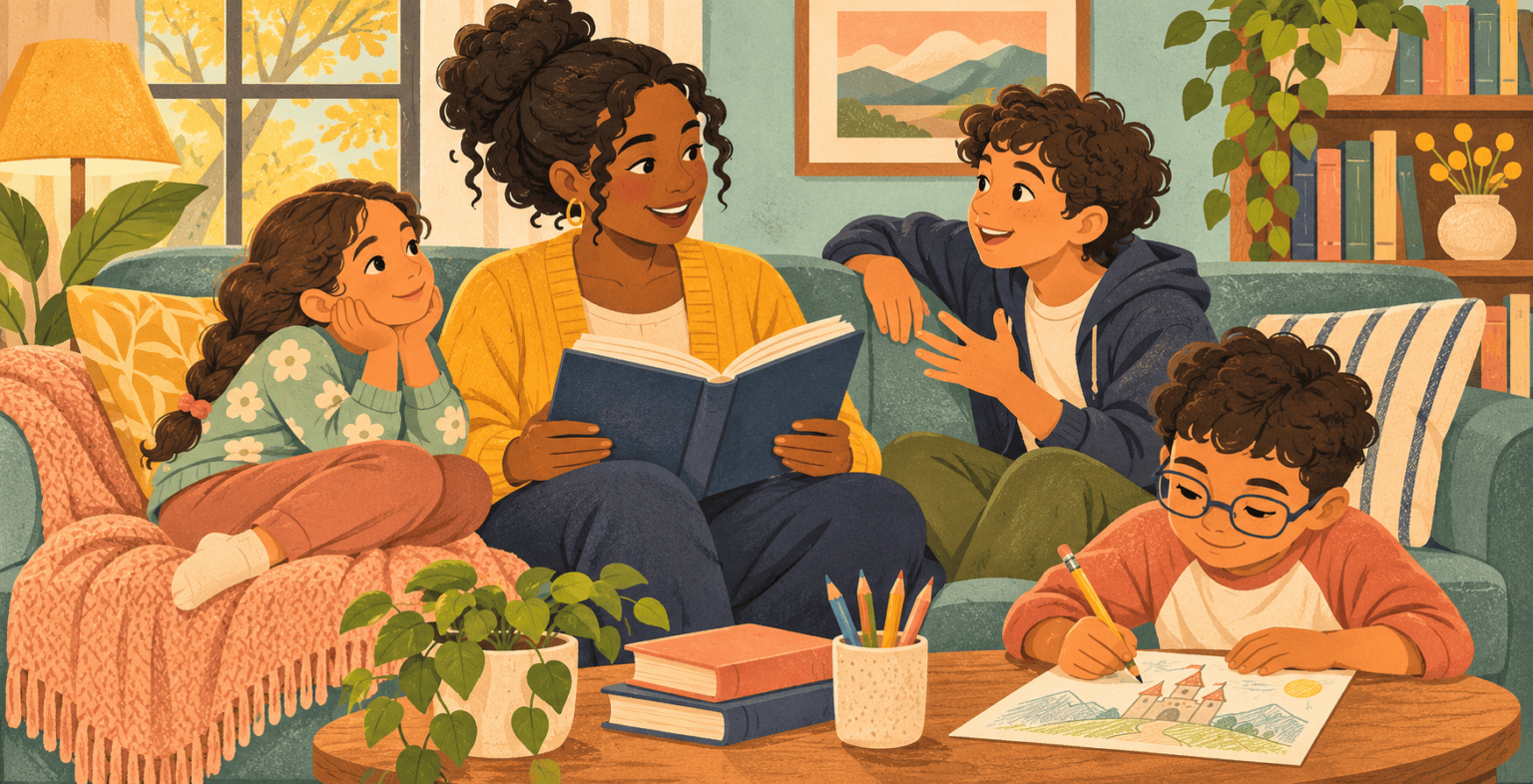
A family read-aloud does not need to challenge everyone in the same way. A younger child may follow the action and repeated phrases while an older sibling notices motives, jokes or patterns. The right book offers several ways in without making one child the permanent expert and another the audience.
Start with the family’s actual time and energy. A celebrated novel with forty-minute chapters may fail at bedtime, while a modest book with clear ten-minute episodes becomes a shared favourite.
Check the shape of a reading session
Preview the first chapters and one from the middle. Look for natural stopping points, enough reminders about characters, and scenes that make sense when read across several days. A manageable session might be one chapter, one episode or even three pages.
- Length: can you stop before the youngest listener is exhausted?
- Context: does the book help readers remember who and where they are?
- Language: are unfamiliar words understandable from the story or easy to explain briefly?
- Interest: is there action, humour, mystery, information or feeling that appeals across ages?
- Content: have you checked frightening scenes, cruelty, stereotypes and topics that need preparation?
Protect the older child’s dignity
Do not describe the choice as “a baby book everyone has to tolerate.” Many picture books and short novels contain rich ideas for older readers. At the same time, do not require an older child to attend every session or answer all the questions. Invite them to help choose from a shortlist and allow independent reading ahead if spoilers can be managed kindly.
An audiobook can widen access when the adult is tired or the story benefits from performance. The guide to choosing a family audiobook includes checks for narration, length and autoplay.
Give the youngest listener something to hold onto
Before reading, offer one sentence of orientation: “We left the children outside the locked garden.” Show a map or illustration if the book has one. A small object linked to the story can help a child listen while moving, but it should not become a quiz prop.
Pause for the child’s real questions. If a younger listener misses a plot point, summarise without restarting the whole chapter. If they wander away and return, welcome them back. The flexible shared-reading guide has more ideas for participation without enforced stillness.
Use a light conversation rhythm
- Before: ask for one prediction or recall one important event.
- During: pause only when confusion matters or someone notices something.
- After: invite one reaction—favourite moment, surprising choice or question.
- Next time: offer a short recap and let a child correct or add to it.
Open questions can deepen shared reading, but too many turn the adult into an examiner. Some evenings, simply reading is enough. If siblings disagree about a character, ask what each noticed rather than demanding consensus.
Plan for mixed sensitivities
Age ratings cannot predict every child’s response. One child may enjoy suspense while another is distressed by separation, embarrassment or danger to animals. Read reviews for content clues, but inspect the book yourself. Tell children they can ask to pause and discuss what will happen before continuing.
For a frightening passage, do not tease the child or make the older sibling responsible for reassurance. Stop, summarise, skip or choose another book. A family ritual should remain voluntary and emotionally safe.
Make access wider than print
Children can draw while listening, follow a printed copy, use an e-book with adjustable text, listen to audio, or take turns reading dialogue. A child who is developing reading skills should not have to perform aloud to earn a place in the group. If they want supported independent reading, see the guide to matching early practice books to taught sound patterns.
Run a two-session trial
Borrow before buying when possible. After two sessions, ask each person: “What makes you want to continue?” and “What would make this easier?” The answer may be a different time, shorter sessions, more context, audio, or a different book.
Finishing is optional. Stopping a book that does not fit is not failure; it shows that the family can evaluate a reading experience together. Record what worked and use those features to choose the next title.