By EdCaptain editorial desk · Published
The favourite book has been in a damp bag, a cupboard smells musty, or a second-hand copy arrives with unfamiliar spots. It is tempting to wipe the cover and get back to the story. With suspected mould, pause first: paper and bindings need a different decision from an ordinary washable surface.
This is an adult’s job. Keep the book out of reading, play and the normal return bag while you establish what to do. You can protect the child’s access to the story without asking them to investigate or clean this copy.
Stop using it; do not turn inspection into an activity
Keep children away from the affected item or area. Do not ask them to sniff pages, rub a mark, brush the edges or compare which spots look worse. Avoid repeatedly opening and handling the book yourself. Mould colour cannot establish whether a book is safe.
The US Environmental Protection Agency advises avoiding bare-hand contact with mouldy items and avoiding inhalation or eye exposure. Handling and cleanup require appropriate protection. If you cannot safely isolate the item without disturbing it, restrict access and ask a suitable professional for help rather than moving it through the home.
You do not need a child to agree that the book is “dirty”. Say, “Something about this copy needs an adult check. We’ll use another book while I sort it out.” Keep blame out of the first conversation, especially if a drink leaked or the book was already damaged when it arrived.
Ask for advice before trying a rescue
The Northeast Document Conservation Center’s guidance on mouldy books calls for isolation, safety precautions and assessment. It warns against cleaning active mould and against quick treatments such as bleach wipes or disinfectant sprays. An ordinary vacuum can spread spores.
A sealed plastic bag left at room temperature is not a preservation solution: trapped moisture can encourage growth. Ask the owner or conservator promptly how the particular item should be held and transported. Conservation methods have material-specific limits; do not improvise a freezer, heating or chemical treatment from a short online tip.
Dry-looking mould is not automatically harmless. Removing an odour or making the cover look cleaner does not establish that a book is ready to return to a child.
If it belongs to a library or school
Contact staff before taking it back. Do not put a suspected mouldy copy into a shared return slot, pack it with unaffected books, or leave it anonymously on the desk. The library needs a chance to arrange a suitable handover.
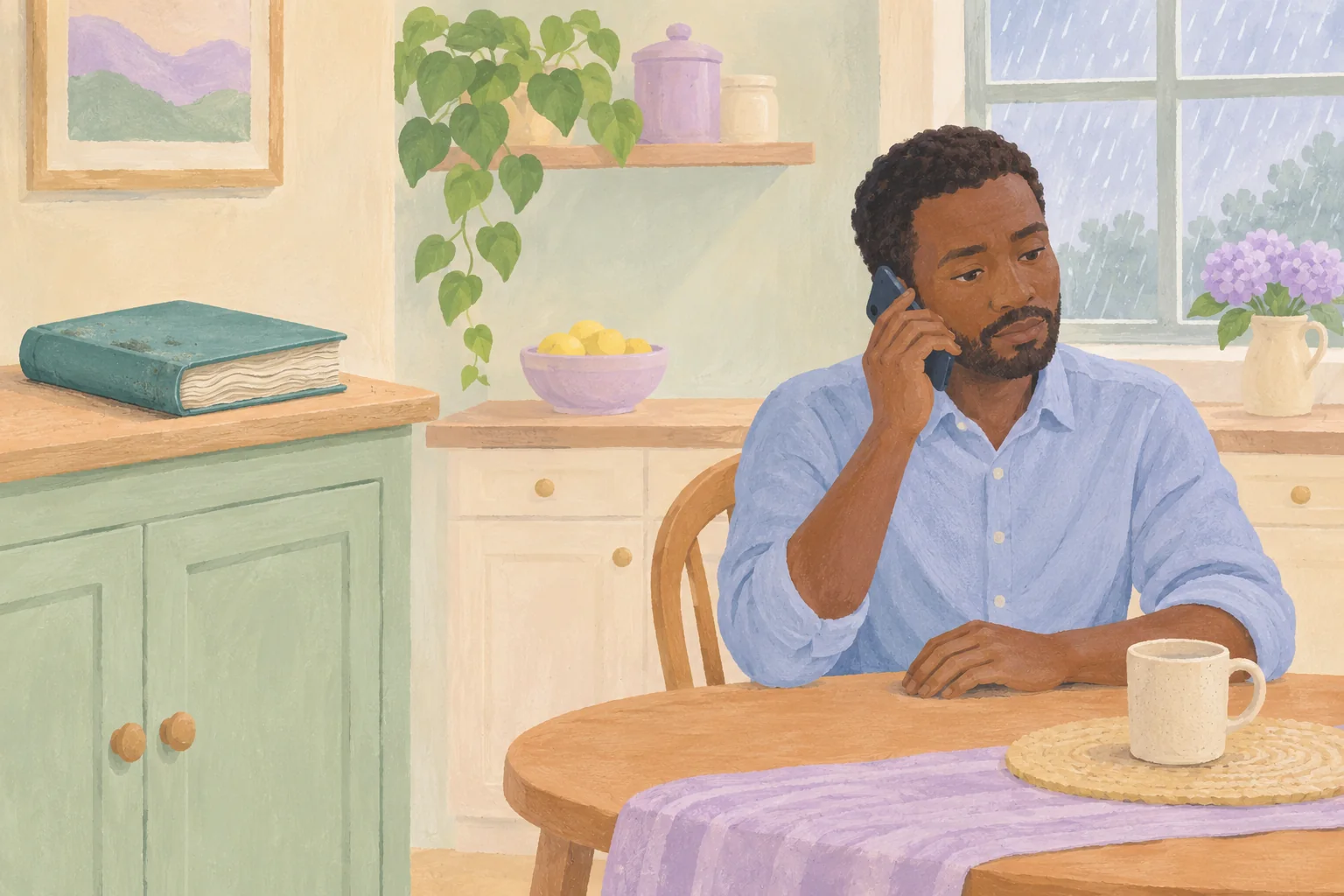
A useful message is: “We have your copy of this title. We noticed a musty smell and spots after finding it in a damp bag. We have stopped using it. How should we keep it separate and arrange the return?” State only what you know; uncertainty about when damage began is worth saying honestly.
Ask staff to confirm:
- whether they want the physical copy returned, and to whom;
- their instructions for containment and transport;
- what happens to the loan while the matter is resolved;
- whether any replacement or charge applies under their policy.
Do not buy an identical replacement or discard someone else’s property before asking. Record the agreed next step and the staff contact. Once the incident is resolved, our family library-return routine can help keep ordinary loans organised; this damaged copy needs its own arrangement.
If your family owns it
Separate the value of the story from the value of this physical object. For an easily replaced copy, keeping it at any cost may not be sensible. The EPA includes books and papers among water-damaged items that may need discarding and explains that mould can be difficult or impossible to remove fully from porous material.
For an irreplaceable inscription, family document or valuable edition, contact a paper or book conservator promptly. Explain the material, visible condition, whether it is still wet, and any known leak or flood. Ask what can realistically be preserved, how they assess the item, the likely costs and what to do while waiting. A referral is a way to make an informed choice, not a promise of restoration.
If disposal is the decision, seek local guidance on containing and disposing of the affected material safely. Do not donate it, put it in a book swap or pass it on with a request that another family clean it.
Check the place, not just the copy
The CDC’s mould guidance explains that paper and cardboard can support mould growth when moisture is present. Look for an explanation such as a leak, wet storage or persistent dampness, and arrange repairs or qualified assessment as needed. Replacing a book without addressing the moisture leaves the underlying problem unresolved.
Multiple affected books, a damaged wall or sewage-contaminated floodwater call for help beyond book care. Keep children out of the affected area. A child’s normal tidying job should not expand into mould cleanup; our guide to cleaning chores without spray bottles makes that boundary clear.
Keep health concerns separate from guesses
Mould exposure can cause symptoms such as coughing, wheezing or irritated eyes in some people; people with asthma, mould allergies, weakened immunity or chronic lung disease may need particular caution. Contact a healthcare professional about symptoms or individual exposure concerns. Finding a suspect book does not prove what caused an illness, and a home test cannot certify that nobody will react.
Seek emergency care for a child with difficulty breathing, blue, grey or very pale lips or skin, or unusual limpness or poor responsiveness. The NHS breathing-difficulty guidance identifies these as urgent warning signs. Use your local emergency service rather than waiting for a book assessment.
Meanwhile, offer another copy, a suitable audio version or a different familiar story. You can say, “We’re keeping the story in our family. This particular book needs a different decision.”
Sources and further reading
- NEDCC: safety and conservation considerations for mouldy books
- EPA: exposure precautions and porous materials
- CDC: mould, moisture and health
- NHS: breathing difficulties and emergency warning signs
Read our editorial policy, review methodology and health-information guidance.