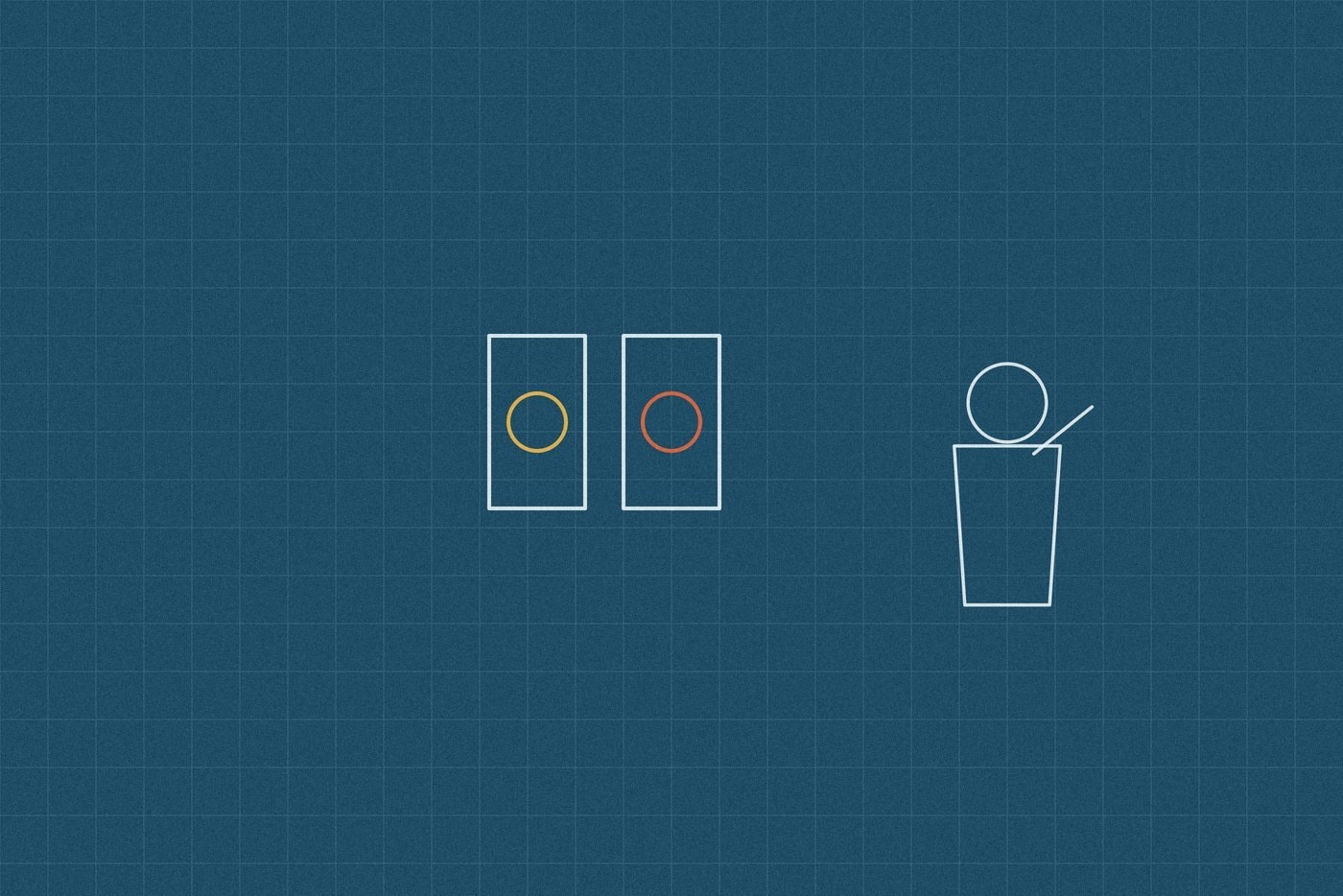
Two playing cards, four quick questions, and a surprising amount of mental arithmetic practice packed into a game that takes about ten seconds per round. The Two Card Challenge turns an ordinary deck of cards into a flexible maths drill that scales up or down with a child’s ability.
What you need
A standard deck of playing cards, or any set of cards numbered roughly one to ten.
How to play
Draw two cards at random. Ask your child four quick questions about the pair: what is their sum (added together)? What is their difference (the bigger one minus the smaller)? What is their product (multiplied together)? Which one is bigger, and by how much?
Keep drawing new pairs and repeating the four questions, building speed and confidence over several rounds. For a younger child, drop the multiplication question and stick to sum, difference, and comparison.
Variations
The target number game: pick a single number, say eight, and ask your child to find two cards from a spread-out selection that add up to it. Then ask for two cards with a difference of eight. Then two that multiply to make eight. This flips the exercise around, practising the same operations from the other direction.
Three-card numbers: draw three cards and ask your child to arrange them into the biggest possible number, then the smallest possible number, then find the sum of those two numbers. For extra challenge, ask for the biggest and smallest even numbers possible from the same three cards, or the biggest and smallest odd numbers.
Group competition: if there’s more than one child, or a small group, give everyone the same pair of cards and see who can correctly answer all four questions first, which adds a bit of healthy pace and pressure to the practice.
Why it works
Mental arithmetic gets faster and more automatic with repetition, but repetitive sums on a worksheet tend to feel like exactly what they are, a chore. Cards turn the same underlying practice into something with a bit of randomness and quick-fire energy, which tends to hold a child’s attention for far more repetitions than a worksheet ever manages, without either of you really noticing how much practice has happened.
This game also has a built-in advantage worth noting: it scales itself naturally. Stick to addition and comparison for a younger child, add multiplication and division once they’re ready, and the exact same deck of cards keeps being useful for years.
A shuffled deck and a couple of spare minutes, in a car, at a kitchen table, waiting for dinner, is really all this needs. What a child gets out of it, genuine fluency with numbers built through dozens of small, quick repetitions rather than one long sitting, tends to be exactly the kind of practice that actually sticks.