A pizza cut into eight equal slices and a question that sounds simple but trips up plenty of children at first: how many slices is half the pizza? The Fraction Pie turns an abstract concept, a part of a whole, into something a child can see, and ideally eat.
What you need
Paper and crayons to draw and colour pie-chart style circles. Optionally, an actual round food (a pizza, a cake, an orange) to make the activity edible as well as visual.
How to play
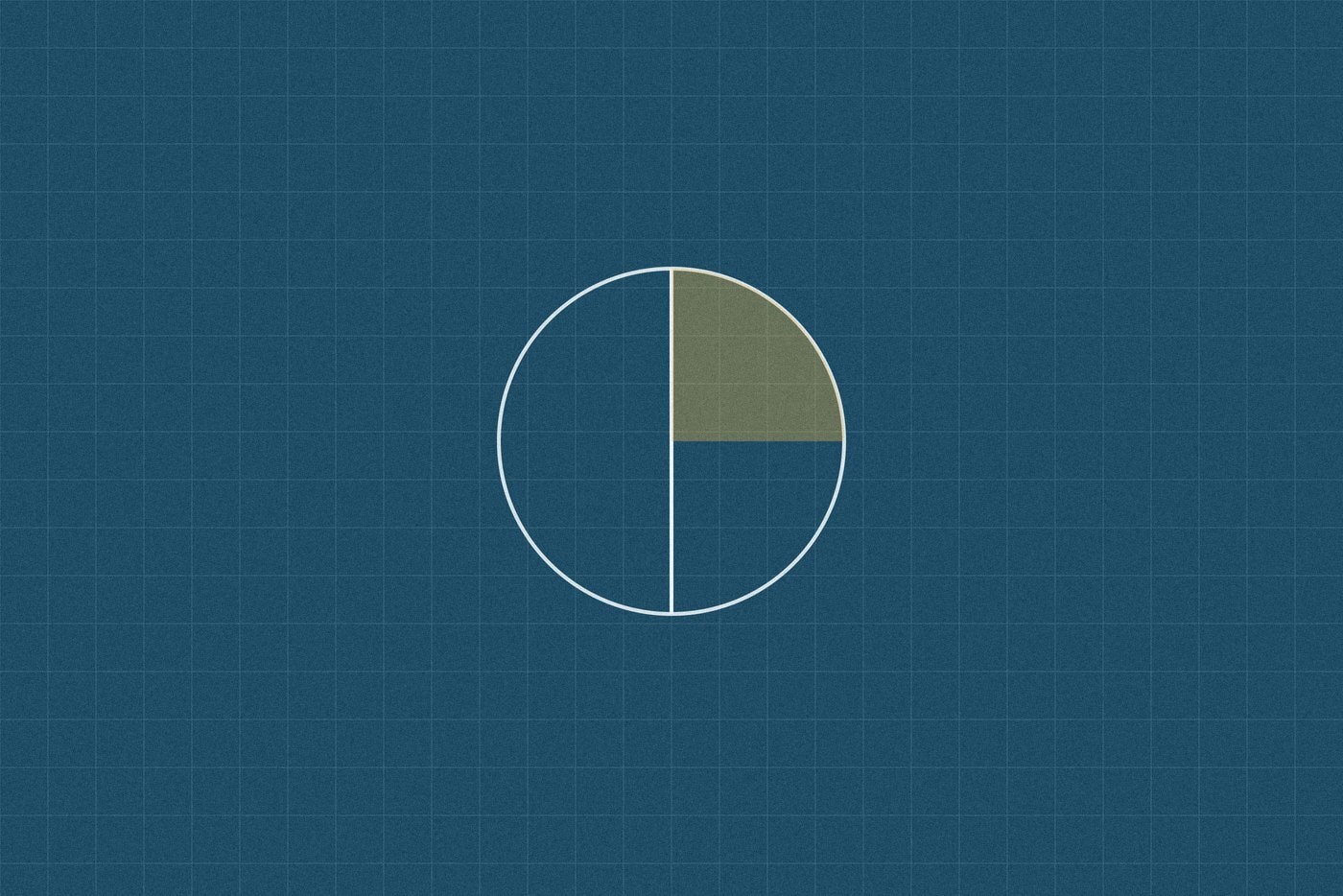
Draw a circle and explain the idea simply: a fraction is a part of a whole. Divide the circle into two equal halves and colour one half in. Explain that this is called one half, written as 1/2, where the bottom number (the denominator) tells you how many equal pieces the whole is divided into, and the top number (the numerator) tells you how many of those pieces you’re talking about.
Draw more circles together, dividing each into different numbers of equal parts, quarters, thirds, fifths, colouring in different amounts each time and naming the fraction shown. Ask your child questions like “if I eat one of the four pieces, what fraction have I eaten? What fraction is left?”
If you have an actual round food to work with, this is where the activity gets genuinely memorable: cut it into equal pieces together, let your child identify what fraction each piece represents, and talk through what happens to the fraction size as you cut it into more and more pieces (the pieces get smaller, even though the fraction’s denominator, the bottom number, gets bigger, which is a nice, slightly counterintuitive thing worth pointing out directly).
Extending to equivalent fractions
Once basic fractions feel comfortable, introduce the idea that different fractions can represent the exact same amount: cut one circle into quarters and colour in two of them, then cut an identical circle in half and colour in one half, and ask your child to compare the coloured area in each. They should look the same size, demonstrating that 2/4 and 1/2 are equivalent fractions, just written differently.
Why it works
Fractions are one of the more common places children get genuinely stuck in primary maths, often because the concept is introduced through numbers alone, before a child has a solid, physical sense of what “a part of a whole” actually looks like. A pizza, a cake, or even just a drawn circle gives a child something real to divide, compare, and reason about, which tends to make the written fraction notation that follows feel like a label for something they already understand, rather than a brand new, confusing idea in its own right.
A few drawn circles and, if you’re lucky, an actual pizza, is a small thing to work with. But a child who has physically cut, coloured, and compared fractions a dozen times carries a genuinely solid foundation for every fraction, percentage, and ratio they’ll meet for years afterward.