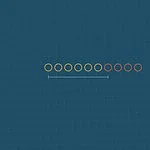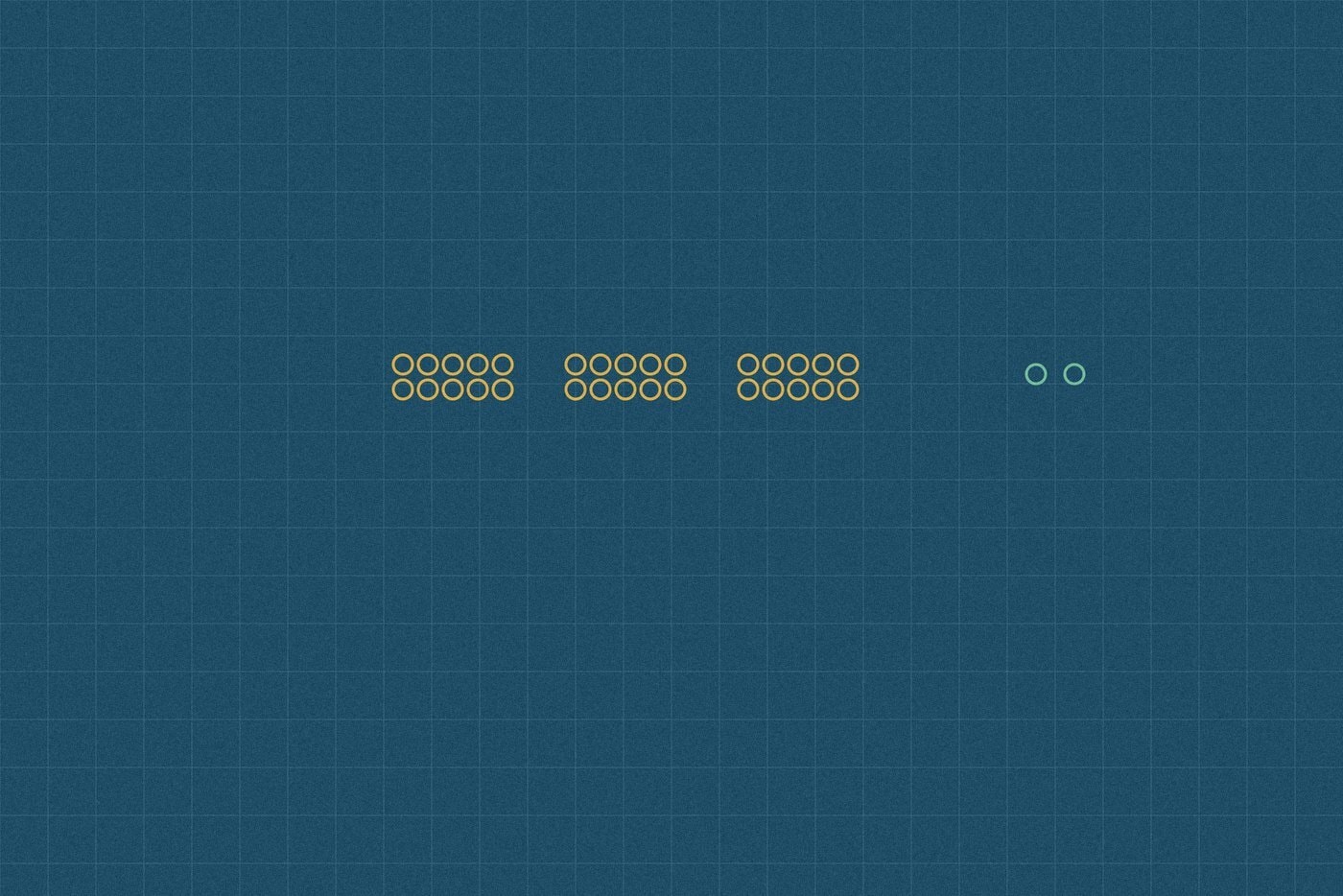
Four pebbles here, three pebbles there, a handful more arranged in a neat row, and suddenly a child understands something that confuses a lot of adults trying to explain it: why the same digit means something completely different depending on where it sits. The Place Value Parade uses simple groups of ten to make this concrete.
What you need
A good supply of small countable objects, pebbles, bottle caps, buttons, beans. String or small bags to bundle groups of ten together.
How to play
Start by counting out a large pile of small objects together, well past ten. Ask your child to group them into bundles of exactly ten, tying or bagging each bundle so it reads clearly as “one group of ten” rather than ten loose pieces.
Once several bundles are made, ask your child to count how many full bundles of ten they have, plus any loose, ungrouped pieces left over. Say the total out loud together: “three bundles of ten and four loose ones makes thirty-four.” Write the number down, and point out explicitly that the 3 represents three bundles of ten, while the 4 represents four single, individual pieces, even though they’re sitting right next to each other in the written number.
Call out different numbers and ask your child to build them using bundles and loose pieces: “Can you show me forty-seven?” Repeat with different numbers, including ones with a zero, “show me thirty,” which is a genuinely useful case to practise, since a child needs to understand that the zero means no loose pieces at all, not nothing at all.
Variations
Once the idea of bundles of ten feels secure, extend it: ask your child what a bundle of ten bundles would represent (a hundred), and if you have enough material, actually build one to make the next place value concrete too.
Why it works
Place value, the idea that the same digit means something different depending on its position in a number, is genuinely abstract and one of the more common points where early maths confidence wobbles. Physically bundling and unbundling groups of ten gives a child a real object standing in for each part of a written number, which tends to make the written version click in a way that explanation alone often doesn’t.
A pile of loose pebbles, sorted into bundles and counted out loud, is a small, slightly fiddly thing to do on a kitchen table. But a child who has built dozens of numbers this way, bundle by bundle, carries a genuinely solid foundation for every larger number they will ever need to read, write, or calculate with.