When a child cannot be heard during a presentation, the usual advice is “Speak up.” That may help for a moment, but it does not explain how to make words easier to follow. Some children respond by shouting, rushing or tightening their throat. Others become so focused on posture and eye contact that they lose track of what they wanted to say.
Clear speaking is a collection of adjustable choices, not one “confident voice.” A child can work on pace, pauses, phrasing and equipment while still sounding like themselves.
Begin with the listener, not a performance voice
Ask your child to speak as if they are explaining an interesting idea to one person at the back of the room. The aim is a comfortable voice that reaches the listener, not a dramatic voice copied from an adult or presenter.
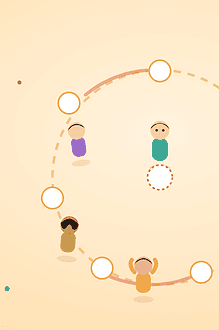
Let the practice listener move farther away and report what they could follow. Keep the feedback specific: “I heard the beginning, but the last three words disappeared,” or “The pause helped me understand that this was a new point.” Avoid judgements such as “You sound weak” or “You need more confidence.”
Slow the message without flattening it
Children often speed up when nervous or when trying to remember a script. Instead of repeatedly saying “slow down,” mark two or three useful pauses on the cue cards. Good places include after the opening question, between main points and before the final sentence.
Try a short phrase at three speeds: rushed, exaggeratedly slow and comfortable. Ask which version was easiest to understand and which still sounded natural. The exercise makes pace something a child can hear and adjust rather than a criticism of how they normally speak.
Use volume without shouting
Practise in the largest available room with one listener near the back. The listener can use a simple signal for “clear,” “slightly louder” or “please repeat.” If the room is large, echoing or noisy, ask for a microphone. Equipment is not cheating. It helps the audience receive the message and can protect the speaker from pushing their voice.
Turn off avoidable background noise during home practice. A fan, television or blender can make a child work much harder than necessary. If noisy equipment is part of a demonstration, explain the step before switching it on and continue after it stops.
Make words easier to follow
- Group words into thoughts. Read a whole phrase rather than giving every word the same weight.
- Finish the sentence. Practise the last few words separately if they tend to fade away.
- Explain unfamiliar terms. Clear pronunciation cannot help an audience understand unexplained jargon.
- Face generally toward the listeners. This supports hearing and lip-reading, but do not require sustained eye contact.
- Use the communication method that works. Speech, sign, AAC, recorded audio and shared presenting can all carry a well-organised message.
A strong accent, a stammer or a speech difference is not the same as an unclear idea. Do not make accent reduction, perfectly still hands or constant eye contact the goal. EdCaptain’s guide to active listening without demanding eye contact offers more inclusive signs of engagement.
Let movement support the message
A child does not need a rehearsed set of gestures. Natural hand movements can help emphasise size, direction or sequence, while a stable stance can make breathing and handling cue cards easier. Give them room to shift position if that feels comfortable. The useful question is whether a movement supports the message or repeatedly pulls attention away from it. Replace “Stand perfectly still” with one concrete experiment, such as placing both cue cards on the lectern before beginning the next point.
Protect the voice during practice
Keep water available, use a moderate and comfortable volume and allow vocal breaks. Gentle humming may be a suitable warm-up, but stop anything that causes pain, tightness or dizziness. Whispering is not necessarily a restful substitute for speaking, and repeated shouting can strain the voice.
If your child is ill and their voice is raspy, reduce unnecessary talking rather than pushing through repeated rehearsals. Persistent hoarseness, pain, effort when speaking or a major change in voice deserves professional advice. ASHA recommends evaluation when hoarseness or other signs of vocal strain last longer than two weeks; local care pathways may begin with a doctor, ear-nose-and-throat specialist or speech-language professional.
A short rehearsal routine
- Take a comfortable breath and release unnecessary shoulder tension.
- Say the opening once to one nearby listener.
- Repeat it to someone farther away, using the same comfortable voice.
- Practise one planned pause and one important phrase.
- Run the whole talk once with the actual cue cards and microphone, if one will be used.
- Choose one adjustment for the next attempt, then rest the voice.
For help shaping the content before working on delivery, use this short-speech planning guide. If nervousness is making the voice disappear or the words race, a gradual presentation practice ladder may be the better starting point.