Children often swing between silence and bluntness. “It’s fine” gives a teammate nothing to use; “That looks terrible” can embarrass them. Useful feedback sits in the middle. It is honest about the work, respectful of the person, and small enough to act on.
First ask whether feedback is wanted
Before commenting, teach your child to check: “Do you want an idea, encouragement, or just someone to listen?” A friend showing a drawing may want to share, not invite an art review. A sibling practising a speech may actively want suggestions. Permission prevents many unnecessary conflicts.
There are exceptions. A child should speak up promptly about immediate safety or serious harm and involve a trusted adult. But most opinions about style, performance and preferences can wait for consent.
Use “notice, effect, idea”
This three-part structure keeps feedback connected to something observable:
- Notice: describe one specific feature without a label. “The instructions have three long paragraphs.”
- Effect: explain the listener’s experience. “I lost the main step in the middle.”
- Idea: offer one possible change, not an order. “Maybe the steps could be numbered.”
Compare that with “Your instructions are confusing.” The first version gives the person a choice and something concrete to consider. The second turns a changeable piece of work into a judgment.
Keep the person out of the verdict
Help children comment on the drawing, pass, paragraph or plan—not the person’s intelligence or character. Replace “You’re bad at football” with “That pass came behind me; next time, could you aim in front?” Replace “You’re bossy” with “I had two ideas but couldn’t find a turn to say them.”
Also remove disguised insults such as “No offence, but…” and exaggerated words such as “always,” “never,” “everyone” and “obvious.” If feedback needs a shield like “I’m just being honest,” it probably needs rewriting.
Practise on neutral objects
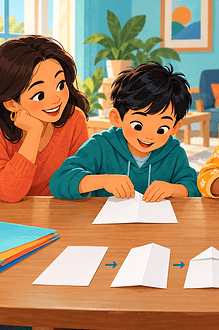
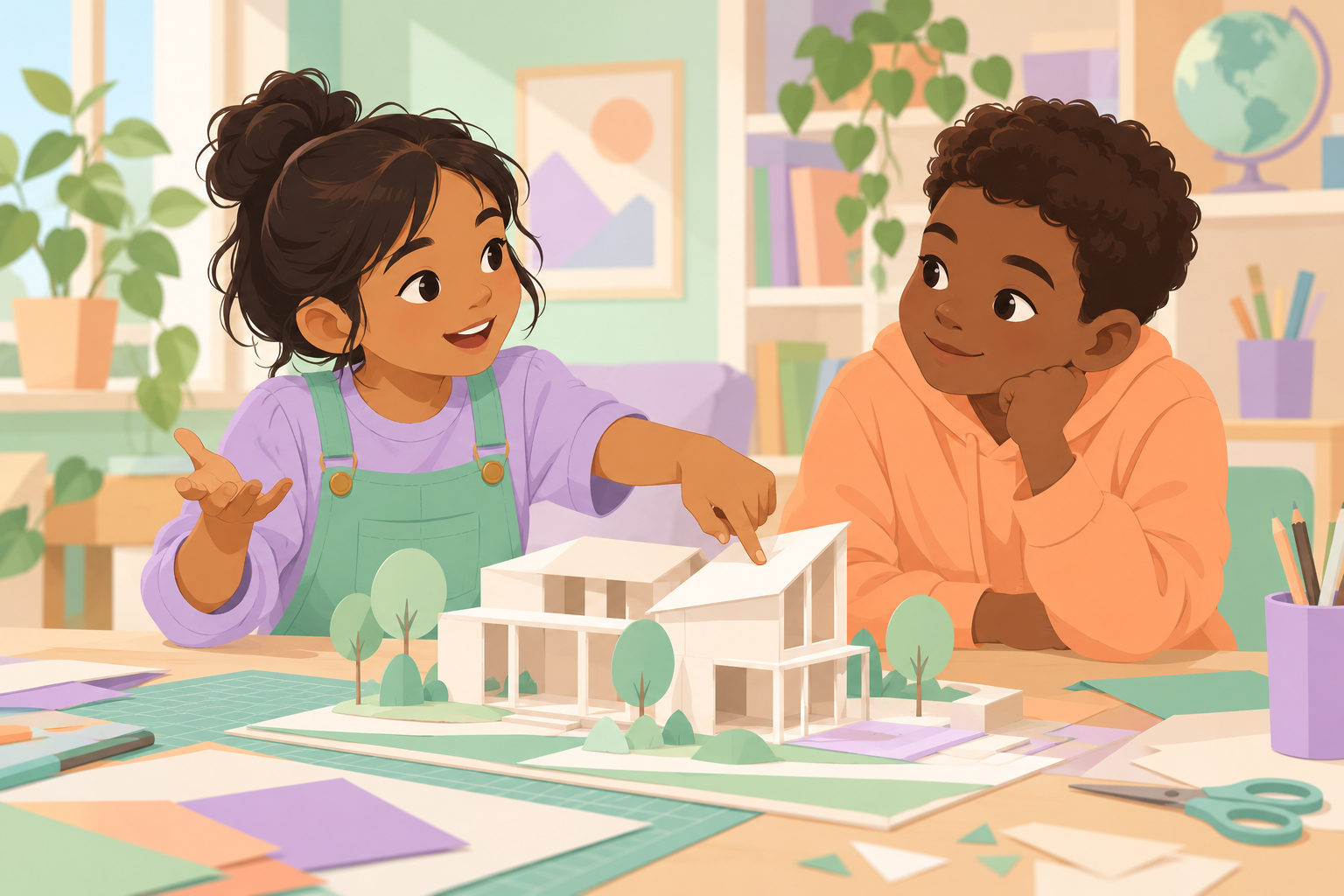
Choose a paper aeroplane, sandwich recipe or block tower—not a child’s treasured creation. Each person gives one observation and one optional idea. The maker replies only, “Thanks, I’ll think about it.” Then swap. This separates feedback practice from winning an argument.
For ages 6–9, use sentence cards: “I noticed…,” “I wondered…,” and “Would you like an idea?” Tweens can practise choosing the right time and privacy. Teens can discuss whether a message should be spoken, written or left unsent; tone is especially easy to misread in group chats.
Teach the stop signs
Feedback has stopped being useful when the giver repeats it after the person says no, recruits an audience, mocks a mistake, or tries to control a harmless personal choice. A child can ask once, then let the other person decide. If a group task genuinely requires a change, return to the shared goal: “We need every section before Friday. Which part should we adjust?”
What caregivers can say after a blunt comment
Avoid branding the child mean. Pause the interaction and translate the need: “You have an idea, and those words hurt. Try again with what you noticed and one suggestion.” If harm was done, the child can repair it: “I criticised you instead of the work. I’m sorry. Would you like me to try again or leave it?”
Notice progress precisely: “You asked before giving advice,” or “You described the problem without insulting your partner.” That reinforces a repeatable skill rather than a vague identity such as “nice child.”
Feedback should travel both ways
Adults can model the same method. Instead of “You’re careless,” say, “The paint is still open on the table, so it may spill. Please close it before you move on.” When children receive specific, respectful feedback at home, they have a usable pattern to copy with peers.
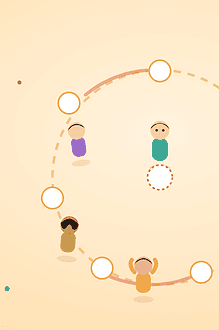
Extend the skill through shared group roles, respectful disagreement practice, or the cooperative Give-Only Puzzle.