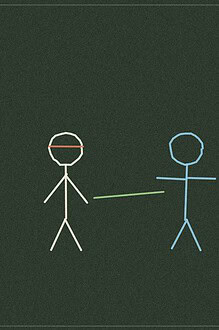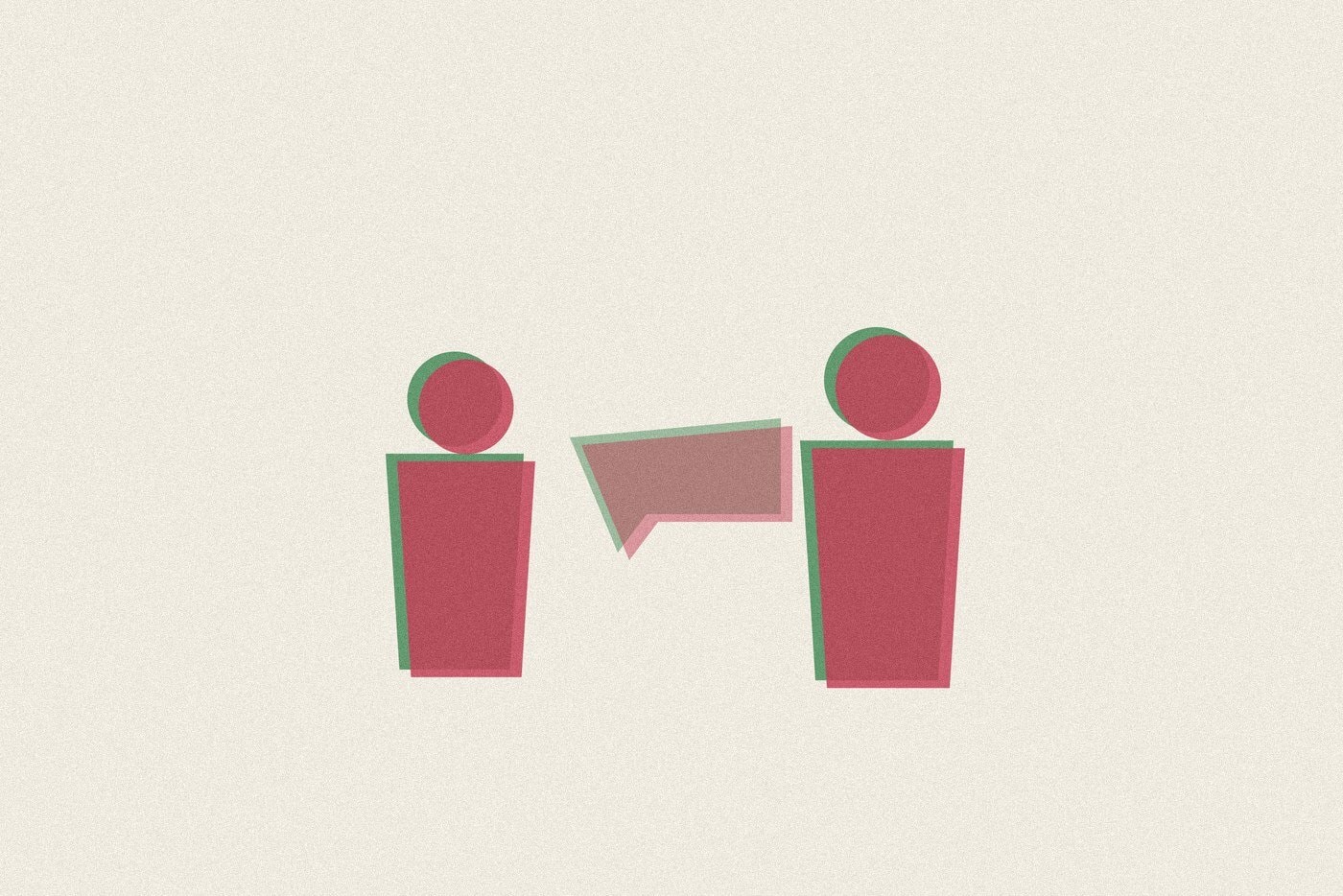
A disagreement with a parent, a teacher, or another adult is not a crisis. It is one of the most ordinary things a young person navigates, and also one of the least deliberately taught. Most children pick up conflict habits by watching the adults around them, for better or worse, rather than being shown directly what a respectful disagreement actually looks like.
Why this needs to be taught, not assumed
Children are frequently told to “be respectful” to adults without much explanation of what that actually means in the moment of an actual disagreement. The result, understandably, is that many default to one of two patterns: going silent and swallowing the disagreement entirely, or escalating into frustration because they do not have better tools available. Neither serves them well, and both are learnable to replace with something more useful.
The core skills worth teaching directly
Naming the issue clearly, not just the feeling. “You never listen to me” is a feeling turned into an accusation. “I feel like my opinion about my curfew isn’t being considered” names the actual issue. Help your child practise the second version, which tends to produce a very different response from the adult on the other end.
Choosing the moment. A disagreement raised in the middle of a rushed morning or right after someone is already frustrated rarely goes well. Teach your child to notice when a better moment might be, “can we talk about this later, when you’re not busy?” is a genuinely useful skill, and one that adults appreciate more than children usually expect.
Listening before responding. This is harder than it sounds, for adults and children alike. Practise the habit of repeating back what the other person said before replying, “so you’re saying you’re worried about my safety, is that right?” This alone tends to de-escalate a surprising number of disagreements, because it shows the other person they have actually been heard.
Using “I” statements instead of accusations. “I feel unheard when decisions get made without asking me” lands very differently from “you always decide everything.” The content might be similar, but the second version invites defensiveness, while the first invites a conversation.
Knowing what to do if it is not resolved. Not every disagreement gets settled on the spot, and that is fine. Teach your child that it is acceptable to say, “I don’t think we’ve worked this out yet, can we come back to it?” rather than either forcing a resolution or dropping it entirely out of frustration.
A simple practice exercise worth trying at home
Pick a genuinely low-stakes, made-up disagreement, not a live one currently happening in your family, and role-play it together. One person plays the adult, one plays the young person, and the goal is simply to practise the skills above in a setting with nothing actually at stake. Swap roles afterward, since playing the adult side often gives a child real insight into why certain approaches land better than others.
What good listening from the adult side looks like
This is worth teaching to the adults around a child too, not only the child. A disagreement goes considerably better when the adult genuinely asks questions rather than only explaining their own position, takes the young person’s concern seriously rather than dismissing it as typical teenage pushback, and is willing to say “that’s a fair point” when it is one, rather than needing to win every exchange.
Why this matters well beyond the specific disagreement
A young person who learns to disagree respectfully with the adults in their life is building a skill that transfers directly into adulthood: handling disagreements with a boss, a landlord, a doctor, a partner. The specific argument about curfew or screen time matters far less than the pattern being built underneath it, which is why it is worth the deliberate practice rather than leaving it to be picked up by accident.
Adapting it
For younger children, keep the language simpler: “tell me what’s bothering you” and “let’s both say what we think happened” cover the same ground without the more abstract vocabulary. For older teenagers, it is worth being explicit about the real-world parallel, “this is the same skill you’ll need with a boss or a landlord one day,” which tends to make the practice feel more worthwhile to them.