Ask a child “who would you go to if something went wrong?” and you often get a blank look, not because they have nobody, but because nobody has ever asked them to actually name the people. This simple mapping activity turns a vague sense of “I have people” into a concrete, visible list a child can point to, which matters far more than it might sound.
Why mapping it out matters
Children generally know, in the abstract, that they have people who care about them. What they are less practised at is identifying, specifically, who to go to for what. A friend might be the right person for a social worry but not a medical one. A grandparent might be perfect for comfort but not for practical help with a school problem. Without ever having thought it through, many children default to either the same one person for everything, or nobody at all, simply because the question has never been asked directly.
How to run it
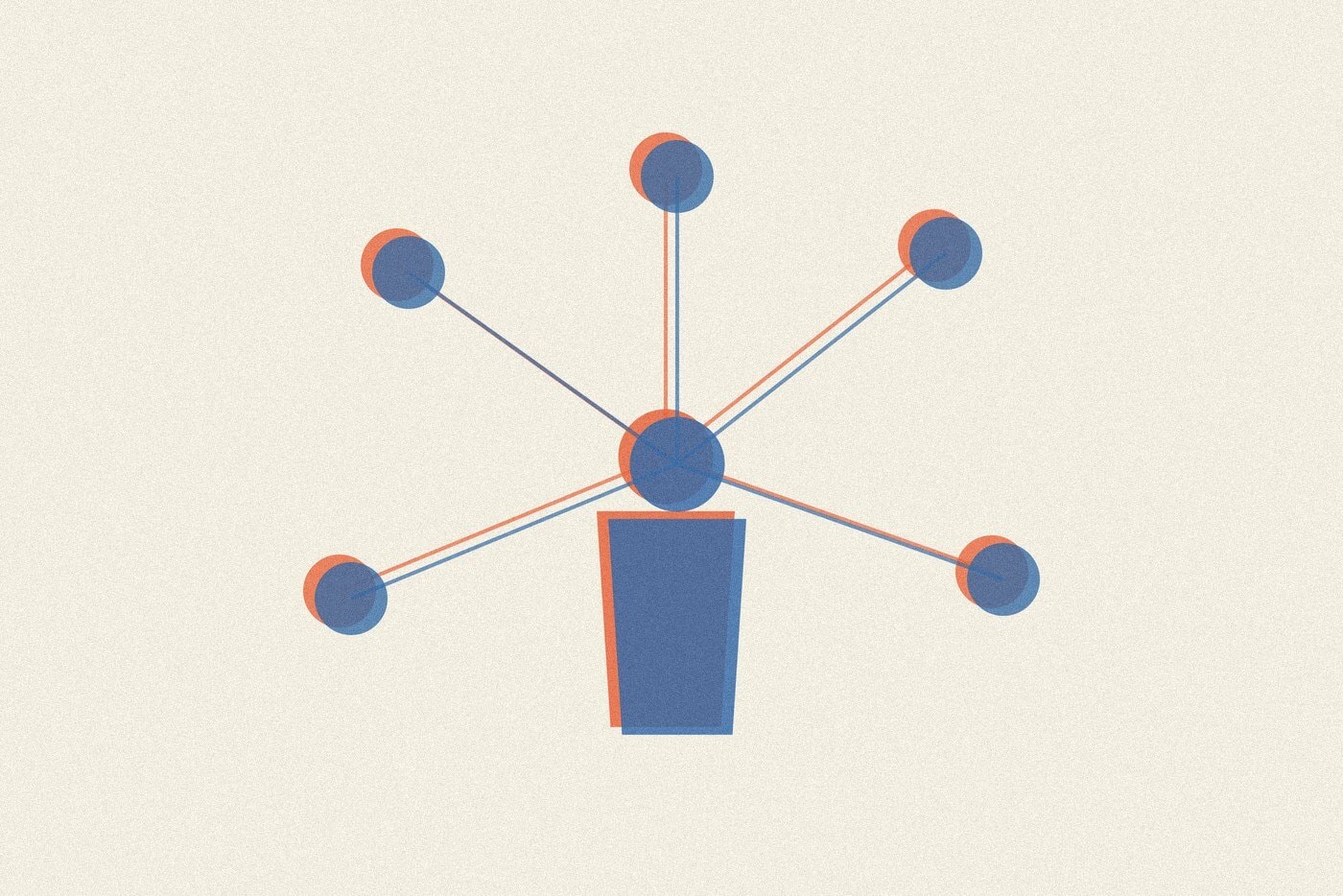
Give your child a blank sheet of paper and something to draw with. Ask them to draw a circle in the middle and either write their name in it or draw themselves.
Demonstrate the idea first, ideally with your own example: draw a few more circles around your own central one, each representing an important person in your life, connected back to the centre with a line. Say who each person is and what role they play for you, “my sister, who I call when I need to vent” or “my colleague, who helps me think through work problems.”
Then hand it over to your child. Ask them to do the same: draw a circle for each person they trust, connect it to themselves, and label who that person is. There is no required number, and no wrong answer. Let them work privately if they would rather not narrate it out loud as they go, since the value here is in the thinking, not necessarily the sharing.
The conversation that makes it useful
Once the map is done, and only if your child is comfortable discussing it, a few gentle questions open it up further:
- What was it like making this map? Did anything surprise you?
- Who is the person you’d go to if you felt really upset?
- Who is the person who makes you feel most encouraged or praised?
- Is there an area of your life where you’re not sure who you’d turn to?
That last question is often the most useful one. A child who realises, out loud, that they do not have an obvious person for a particular kind of problem, schoolwork, a friendship issue, something medical, has just identified a genuine gap, which is exactly the kind of thing worth quietly addressing together afterward.
What this is actually building
Beyond the immediate reassurance of “I have people,” this activity builds a specific, practical skill: recognising that different problems call for different kinds of support, and knowing in advance who those people are rather than figuring it out in a moment of crisis. A child who has already mapped this out tends to reach for help faster and more appropriately when something actually goes wrong, instead of either struggling alone or going to whoever happens to be nearby.
It is also a genuinely useful way for a parent to learn something new about their own child: who they consider important, who they feel closest to, and occasionally, who is conspicuously missing from the map.
Extending it to local support
Beyond personal relationships, it is worth extending the conversation to include practical, local sources of help: a school counsellor, a family doctor, a trusted teacher, a helpline number. Many children have no idea these options exist or how to access them, simply because nobody has ever walked through it directly. A short follow-up conversation, “if something happened and none of the people on your map were around, who else could help?”, fills in a genuinely important gap.
Adapting it
For younger children who are not yet confident drawing or writing, use simple pre-cut paper shapes they can arrange and colour instead of drawing circles from scratch. For a family setting, this works nicely as a shared activity where everyone, parents included, makes their own map and shares a little of it afterward, which quietly normalises the idea that everyone, at every age, needs people to lean on.