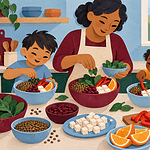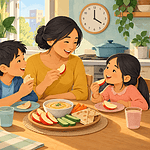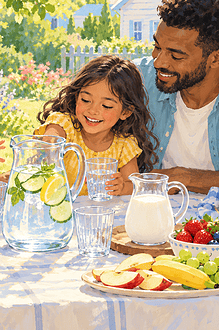
A lunchbox has a difficult job: it must survive the journey to school, fit the time available for eating and contain food your child can manage without much adult help. It does not need to look perfect or include every food group in equal portions. A useful lunch is one that is safe, familiar enough to approach and varied enough to keep options open.
Use a flexible four-part formula
Start with four simple jobs rather than a complicated checklist:
- A filling base: bread, pitta, wrap, rice, pasta, potato, oats or another familiar grain or starchy food.
- A protein or satisfying filling: egg, beans, lentils, hummus, tofu, yogurt, cheese, fish, chicken or another family food.
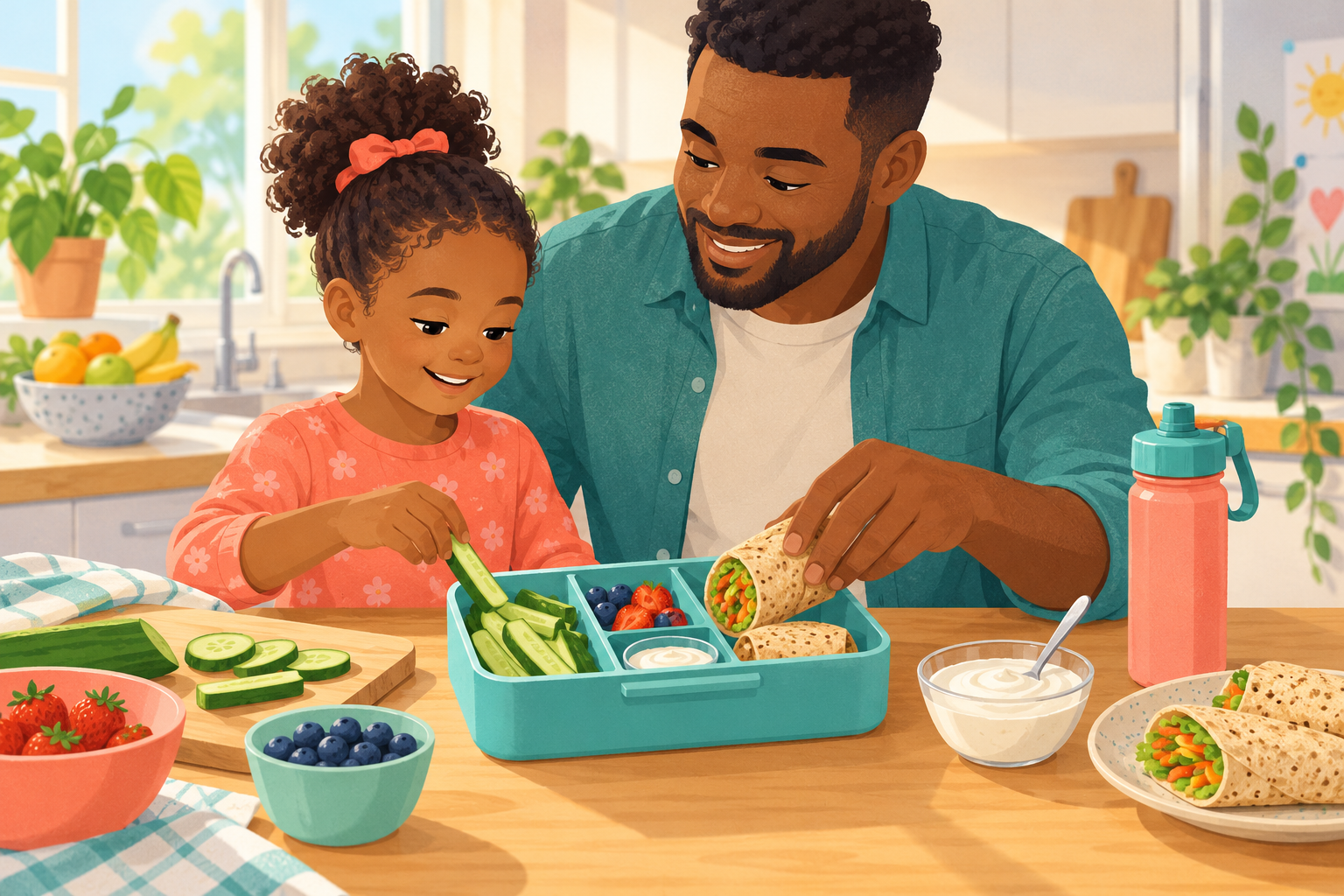
- Fruit or vegetables: one or two easy-to-eat choices, such as soft pear slices, berries, cucumber sticks or cooked vegetables.
- A drink: water is usually the simplest school-day choice.
That might become a cheese-and-cucumber sandwich, orange segments, plain yogurt and water. Another day it could be rice and beans in a thermos, avocado, melon and water. This is a template, not a rule. If one section is missing at lunch, it can appear at another meal.
Pack for the child who will open it
Begin with one dependable food your child usually accepts. Add one or two other foods without making eating them a condition for dessert, praise or screen time. If new foods are hard, the approach in helping a picky eater try food without pressure can make lunch less emotionally loaded.
Small portions are often easier to face during a busy school break. You can pack a little and offer a second portion where school routines allow. Younger children may need peeled fruit, an easy-open container and a sandwich cut into manageable pieces. Older children can help choose from two acceptable mains or assemble their own lunch using the formula.
Run a one-week lunchbox experiment
- Ask what the eating space is like: how long is lunch, is food kept cold, and are there allergy restrictions?
- Choose two mains, two produce options and two simple extras for the week.
- Let your child select one item from each pair.
- When the box returns, notice what was eaten without interrogating: “I see the yogurt came back. Was there not enough time, or was it hard to open?”
- Adjust one thing at a time—portion, container, texture or timing.
A returned lunch does not automatically mean your child dislikes it. They may have been talking, rushed, distracted, unable to open a package or simply not very hungry. The aim is information, not a clean-box contest.
Keep it safe and workable
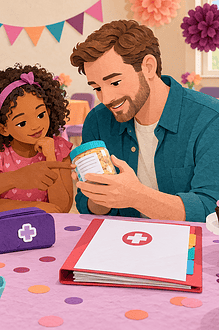
Use an insulated bag and cold pack for foods that need refrigeration, and follow your school’s storage and allergy rules. A clean bottle and leakproof containers matter more than decorative accessories. Cut foods to suit your child’s chewing ability; whole nuts, whole grapes and other choking hazards are not appropriate for young children. If your child has a diagnosed food allergy, use the written plan from their clinician and school.
For children ready for more independence, the age-by-age ideas in life skills for kids can help you hand over small lunch-preparation jobs safely. A child might wash fruit at five, portion crackers at eight or plan a complete lunch as a teenager.