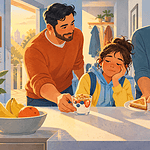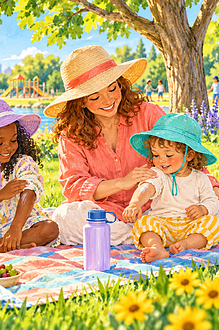
A child with a food allergy should be able to join playdates and celebrations, but “we’ll be careful” is not a complete plan. Safety comes from sharing exact information, agreeing who is responsible and following the child-specific emergency action plan from their clinician.
Before the event: have one clear conversation
Contact the host in advance, not at the busy doorway. Explain:
- the exact allergen or allergens and the kinds of foods or products that may contain them;
- how to prevent cross-contact during preparation and serving;
- which foods are confirmed safe and who will check labels;
- where prescribed medicine will be and which adult is prepared to use it;
- what the child’s written emergency action plan says;
- how to reach you and when emergency services must be called.
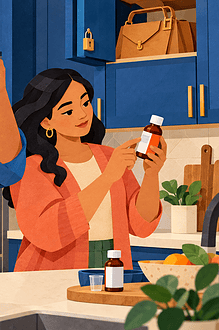
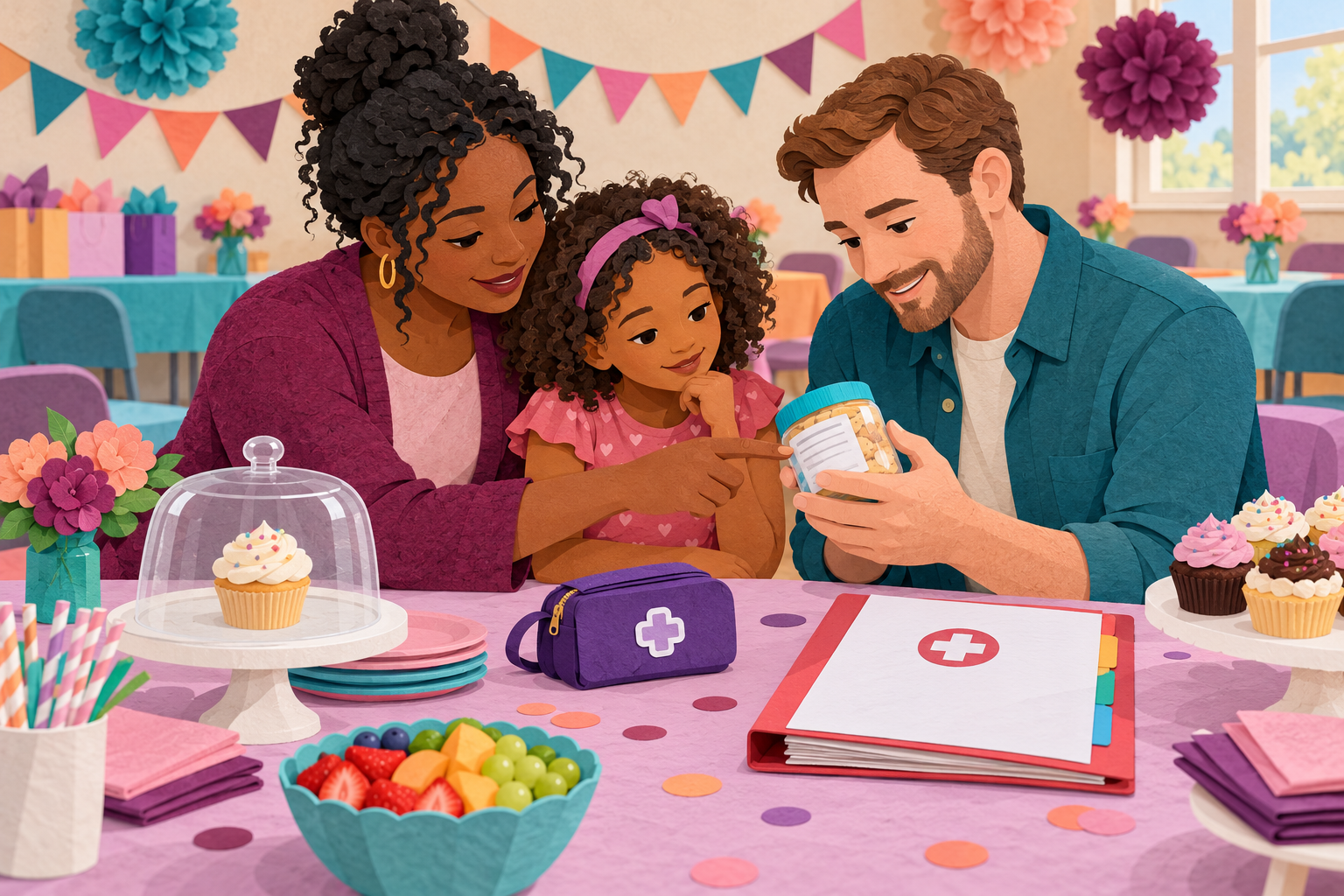
Do not rely on a general label such as “allergy-friendly.” Ingredients and manufacturing practices can change. Read the current package label every time, and follow the family’s rules about precautionary statements. If there is uncertainty, choose another food.
Use a simple host checklist
- Clean the preparation surface, utensils and serving area.
- Wash hands with soap and water. Hand sanitizer does not remove food allergens.
- Keep the safe food covered, separate and served with its own utensils.
- Ask children not to share food, cups or cutlery.
- Keep ingredient packaging available for the parent to check.
- Know where medicine and the action plan are throughout the event.
Bringing a safe cupcake or snack can reduce uncertainty, but it does not transfer all responsibility to the child. Young children need vigilant adult supervision. Older children can take part according to their skills without being expected to manage the risk alone.
Give the child words that protect without isolating
Practice one short sentence: “I need to check with my grown-up before I eat that.” Another option is “No, thank you—I have my safe snack.” Role-play with dolls or pretend party food. Avoid frightening descriptions; use direct, calm language.
For friends, a host can say, “We check food so everyone can eat safely. Different bodies need different foods.” The point is inclusion, not singling out the child. Party games, music and play should not revolve entirely around food.
If a reaction may be happening
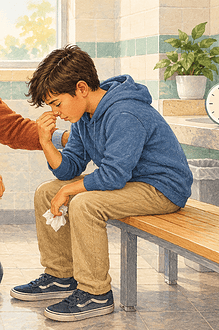
Follow the child’s prescribed emergency action plan immediately. Use prescribed epinephrine when the plan indicates it, and call emergency services for severe symptoms or as directed—do not wait to see whether symptoms pass. Antihistamines are not a substitute for epinephrine in anaphylaxis. The child should not be left alone.
Afterward, replace used or expired medicine as advised and review what happened with the child’s healthcare team. An article cannot diagnose a reaction or replace the plan.
Adapt for age and independence
Preschoolers can learn “stop, look, ask.” School-age children can practice reading labels with an adult. Teenagers can help contact the host and plan a safe choice, while adults remain available. Skills can build gradually, much like the staged responsibilities in life skills for kids by age.
If food worries begin to dominate daily life, discuss both physical safety and anxiety with the allergy team. The guidance on when child worries need extra help can support that conversation.