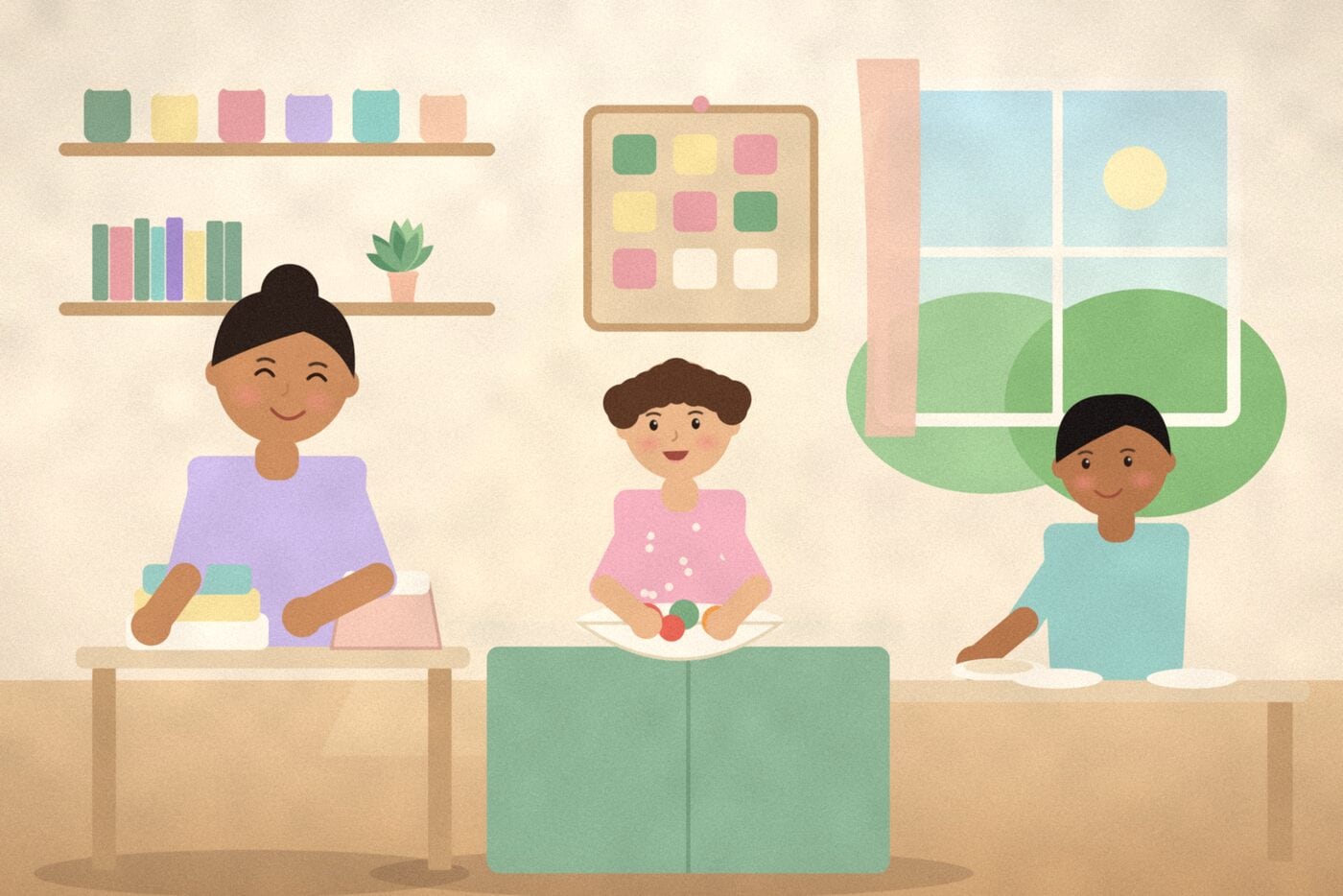
Parenting trend pieces this year keep coming back to the same idea: parents want their children ready for real life, not only for exams. That means being able to cook an egg, fold a shirt, manage a little money and ask an adult for help. These are the life skills for kids that make a seventeen-year-old feel capable, and they start much earlier than most of us think.
The tricky part is knowing what is realistic. Hand a three-year-old a broom and you will be sweeping twice. Wait until fourteen to teach laundry and you will meet resistance, and, frankly, a lot of black socks gone pink.
Below is a rough guide. Treat these as ranges, not rules. Children differ, families differ, and in many homes there is already help with housework. The point is not the chores themselves. It is that your child learns “I can do things, and I am part of this family.”
Life skills for kids, age by age
Ages 2 to 3
At this age, tasks are about imitation. They want to do what you do.
- Put toys in a basket
- Drop dirty clothes into the laundry bin
- Wipe up a spill with a cloth
- Help feed a pet, with you holding the bowl
Ages 4 to 5
Now they can follow a two-step instruction and take real pride in a job.
- Set the table, with unbreakable plates
- Water plants
- Dress themselves, apart from tricky buttons and shoelaces
- Pour from a small jug and wipe up afterwards
- Put away their own shoes and bag
Ages 6 to 8
This is the big window for building independence. Their hands can manage far more than you expect.
- Make their bed, even if it ends up lumpy
- Pack their own school bag the night before
- Sweep, dust and clear their plate
- Wash vegetables and help in the kitchen
- Make a simple breakfast such as cereal or toast
- Handle a small amount of pocket money
Ages 9 to 12
Here the goal shifts from helping you to taking responsibility.
- Do their own laundry, start to finish
- Cook a simple meal, like eggs or pasta, with you nearby
- Look after a pet more or less on their own
- Plan a short route and, where it is safe in your area, get somewhere they know on their own
- Keep track of homework and deadlines with a calendar
- Make a purchase and check the change
Ages 13 and up
This stage is a trial run for adult life, and it goes better when they have had practice.
- Plan and cook a full meal for the family
- Budget an allowance or a part-time income
- Book their own appointments, with a parent nearby at first
- Handle basic first aid and know when to get help
- Do the weekly shop from a list
- Manage their own sleep, schedule and study plan
How to teach a skill without redoing it yourself
Most parents skip this part. A child who gets the task taken back and finished “properly” learns that effort is pointless. A simple four-step approach works well:
- You do it while they watch and you talk through it.
- You do it together.
- They do it while you watch, and you keep quiet unless something is unsafe.
- They do it alone.
Expect the result to be worse than yours. Say thanks anyway. If the bed is crooked, leave it crooked for now. You can raise the standard slowly once the habit is there.
Chores, rewards and money
Think about whether you want to pay for everyday jobs. Many families keep a split: basic family contributions, like clearing up after yourself, are simply what everyone does, and extra jobs can earn money. The reasoning behind avoiding rewards for everything is in our piece on the science of rewards. If nagging is the sticking point, start with one useful family habit.
A few things worth remembering
- Consistency beats intensity. A small daily job is better than a huge weekend clean.
- Be specific. “Clean your room” is vague. “Put clothes in the basket and books on the shelf” is a job a child can finish.
- Let them see you work. Children copy what adults do, much more than what adults say.
- Allow some mess, some mistakes and some slow progress. This is how capable people are made.
If you want a broader look at how everyday moments shape children, this post is worth a read.