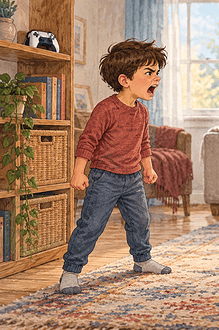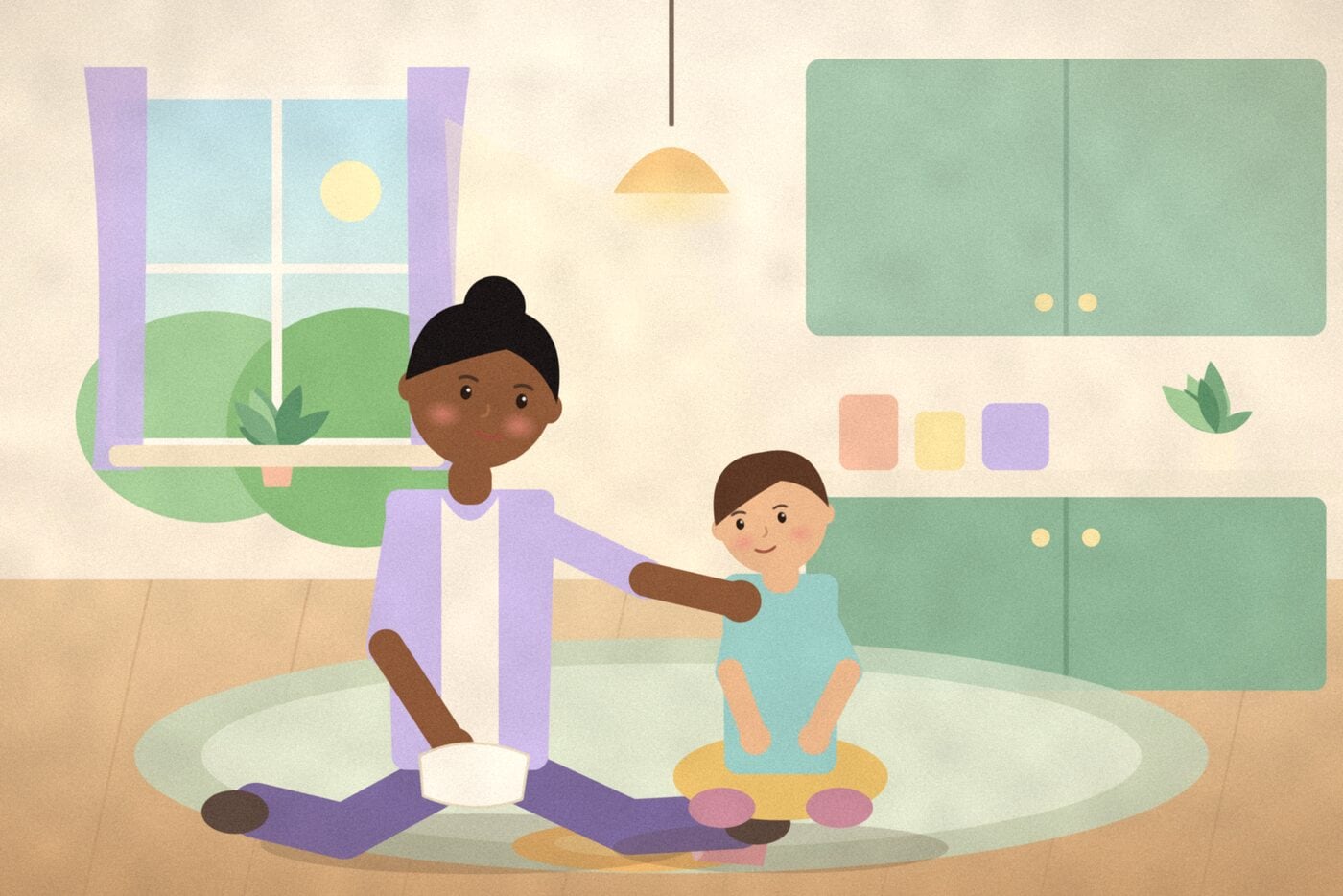
You did not mean to shout. The cup of juice went over, again, in the middle of a long day, and it came out louder and sharper than you wanted. Now your child is quiet, and you are standing in the kitchen with a hot face and a sinking feeling.
First, a breath. Almost every parent has been here. What matters most is not that it never happens. It is what you do in the next hour, and there is a way to do it well. If you are wondering how to apologize to your child after yelling, you are already heading in the right direction.
Psychologists sometimes call this rupture and repair. Every close relationship has moments where things go wrong, and what builds trust is the coming back together. Children who see a parent notice a mistake, own it and put it right learn something useful: people who love each other can mess up and fix it.
How to apologize to your child: start with yourself
You cannot repair while you are still furious. Take a few minutes. Drink some water, step outside, put your hands under cold water, whatever brings your voice down. If your child is safe, a short break is fine. Tell them you need a minute and will be right back.
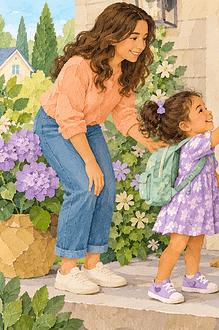
Go to them, and get low
Do it soon, usually within the hour, and not the next day when it feels like a bigger deal. Crouch or sit so you are at their level. If they do not want to be touched, do not force it. A hand held out is plenty.
Say what happened, plainly
A good apology is specific and short, and it has no “but” in it.
“I’m sorry I yelled at you. That was too loud and it probably felt scary.”
Compare that with: “I’m sorry I yelled, but you really need to listen the first time.” The second one is a complaint wearing an apology as a coat. The “but” cancels everything before it.
Naming what you did also tells your child that what they felt was real. If they say it was scary, or that they were angry, you can simply say, “That makes sense.”
Say what you will do differently
Keep it small and honest. “Next time I’m getting frustrated, I’m going to take a breath before I talk.” Do not promise you will never yell again. You may, and a broken promise is worse than none.
Then leave the door open
Do not ask for forgiveness and do not wait for a hug. Asking a child to make you feel better puts them in the parent’s role. Say something like, “I love you. I’m here if you want to talk.” Then give them room.
Once everyone is calm, you can still deal with what started it. If it was the spilled juice, a cloth and a plan for next time is fine. Apologizing for how you reacted does not mean the limit disappears. If you are not sure how to hold the line kindly, our piece on gentle parenting and limits goes into it.
What it sounds like at different ages
- Toddlers: few words and a calm voice. “I yelled. That was scary. I’m sorry. I love you.” Offer a cuddle and let them decide.
- School-age kids: they can handle a bit more. “I was tired and frustrated and I shouted at you. That wasn’t fair.” Ask, “How did it feel when I yelled?” and then listen without defending yourself.
- Teens: keep it brief and respectful, and skip the speech. “I shouldn’t have spoken to you like that. I’m sorry.” They may shrug or leave the room. They still heard it, and a short text later can land better than a face-to-face talk.
Two traps to avoid
- The guilt spiral. If you apologize for ten minutes and cry about what a terrible parent you are, your child ends up comforting you. A clear, calm apology does more than a dramatic one.
- Repairing without changing. An apology means something when the pattern slowly shifts. If you notice the yelling happens at the same times, say rushed mornings or the hour before dinner, change the situation. Move bedtime. Prepare the bags the night before. Eat first.
When yelling is happening a lot
Everyone loses their temper sometimes. If it is a daily event, if your child seems afraid of you, or if anger ever turns physical, that is the time to ask for help. A counselor, a parenting program or your doctor can help you work out what is driving it, and many parents find that stress, poor sleep and a lack of support are a big part of it. Nothing about that makes you a bad parent. It makes you a parent who is trying to stop the pattern, which is what you are doing by reading this.
For more everyday ideas, try our post on positive parenting hacks for tantrums.