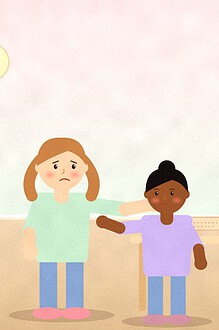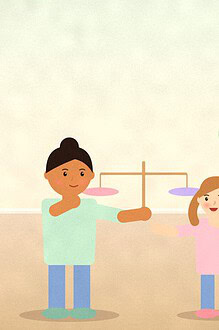
You notice your child in the doorway after an argument. Even if they did not hear every word, they may have seen sharp faces, loud voices or one adult leaving the room. The most useful next step is not to insist that everything is fine. It is to show that the adults have noticed the impact and are taking responsibility.
First, make sure the conflict has paused
Do not attempt a reassuring family talk while either adult is still likely to restart the argument. Lower voices, move the disagreement away from the child and return when you can be steady. If there is violence, intimidation, threats or fear for anyone’s safety, ordinary “repair” advice is not enough; seek appropriate local safety and professional support.
Give a short, truthful explanation
For a young child, try: “You heard us use loud voices. That may have felt scary. This was an adult disagreement, and it was not your fault. We are responsible for solving it.”
A school-age child may want to know whether the family is okay. Answer the question you can answer honestly without sharing adult details: “We disagree sometimes. We are working on speaking more respectfully.” Avoid asking the child to take sides, carry messages or keep secrets.
For a teen, acknowledge that they may have understood more than you hoped. You can still protect boundaries: “You heard a private argument. You deserve reassurance, but you do not need to manage our relationship.”
Let the child’s reaction lead
Ask one open question: “What did you think was happening?” or, “How did that feel for you?” Some children will want to talk; others may draw, play or move on. UNICEF suggests direct or creative emotional check-ins and allowing the child to decide how much to share. Do not force a conversation or dismiss the concern with “You’re fine.”
Let them witness a real repair
If it is safe and genuine, let the child see a brief respectful repair between adults: “I interrupted and shouted. That was not okay. I’m going to try again without shouting.” Do not perform affection or announce that the disagreement has vanished if it has not. The important message is that conflict can be handled without humiliation, threats or involving the child.
Return to an ordinary routine: snack, bath, a familiar story or a walk. Predictability can help the body settle. Check in again later if your child becomes clingy, withdrawn, unusually irritable or worried. If distress persists or daily functioning changes, consult a qualified child health or mental-health professional.
If you lost your temper directly with your child too, use this guide to apologizing after yelling. For teaching children how repair works, see more than “say sorry”.