By EdCaptain editorial desk · Published
General educational guidance. No qualified clinical review is recorded for this article. Health and safety information.
A grandparent arrives with chocolate, another relative brings biscuits, and the afternoon visit includes several more offers. Each adult sees one small treat. You see a day of repeated sweets, a snack routine that has disappeared and an argument waiting to happen.
For children aged 3–9, the useful next step is a clear food arrangement between adults. You can appreciate a relative’s generosity while changing what happens at the table. Start with the pattern you want to change, rather than a judgement about who loves the child more.
Describe the pattern before setting the rule
Is this an occasional celebration, a weekly visit or daily childcare? Those situations need different planning. Ask what is usually offered and when. A grandparent collecting a hungry child may be reaching for the easiest available food, while a visiting aunt may simply want something to bring.
Try: “I know you enjoy bringing something for Sam. Yesterday there were sweets at pickup, again while playing and again before dinner. Can we agree on one plan for the afternoon?” This gives the adult something specific to help solve.
Avoid using the child’s body size, weight or appearance to justify the request. Keep the discussion about regular meals, food choices and teeth. An ordinary treat is not a moral failure, and a child who enjoys it has done nothing wrong.
Agree on timing, not a vague promise to give less
NHS guidance recommends reducing foods and drinks containing free sugars and keeping them to mealtimes to help prevent tooth decay. “Just a little” offered repeatedly between meals does not give adults a shared routine.
Choose wording the caregiver can use: “Please offer the planned snack after pickup. If we are having cake today, we’ll serve it with lunch rather than bringing it out throughout the visit.” This is an example of a household arrangement, not a universal portion prescription or a reason to add cake to every meal.
Water can be the usual drink during the visit. If a child needs a medical eating plan, such as for diabetes or a diagnosed allergy, agree on the details with their care team and share the written instructions. General advice about treats must not replace that plan.
Make the alternative easier to provide
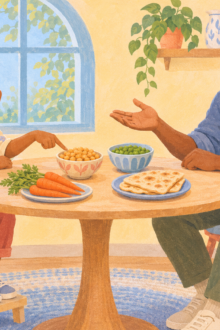
The American Academy of Pediatrics suggests helping relatives by making suitable food choices available. Give a caregiver two or three realistic options they can store, afford and prepare. Our after-school snack guide can help if the repeated sweets are filling an unplanned gap before dinner.
Ask what would make the arrangement workable: “Would it help if I sent the snack?” or “Which of these foods do you already keep at home?” A rule that quietly depends on extra shopping, cooking or money is harder to follow than one planned together.
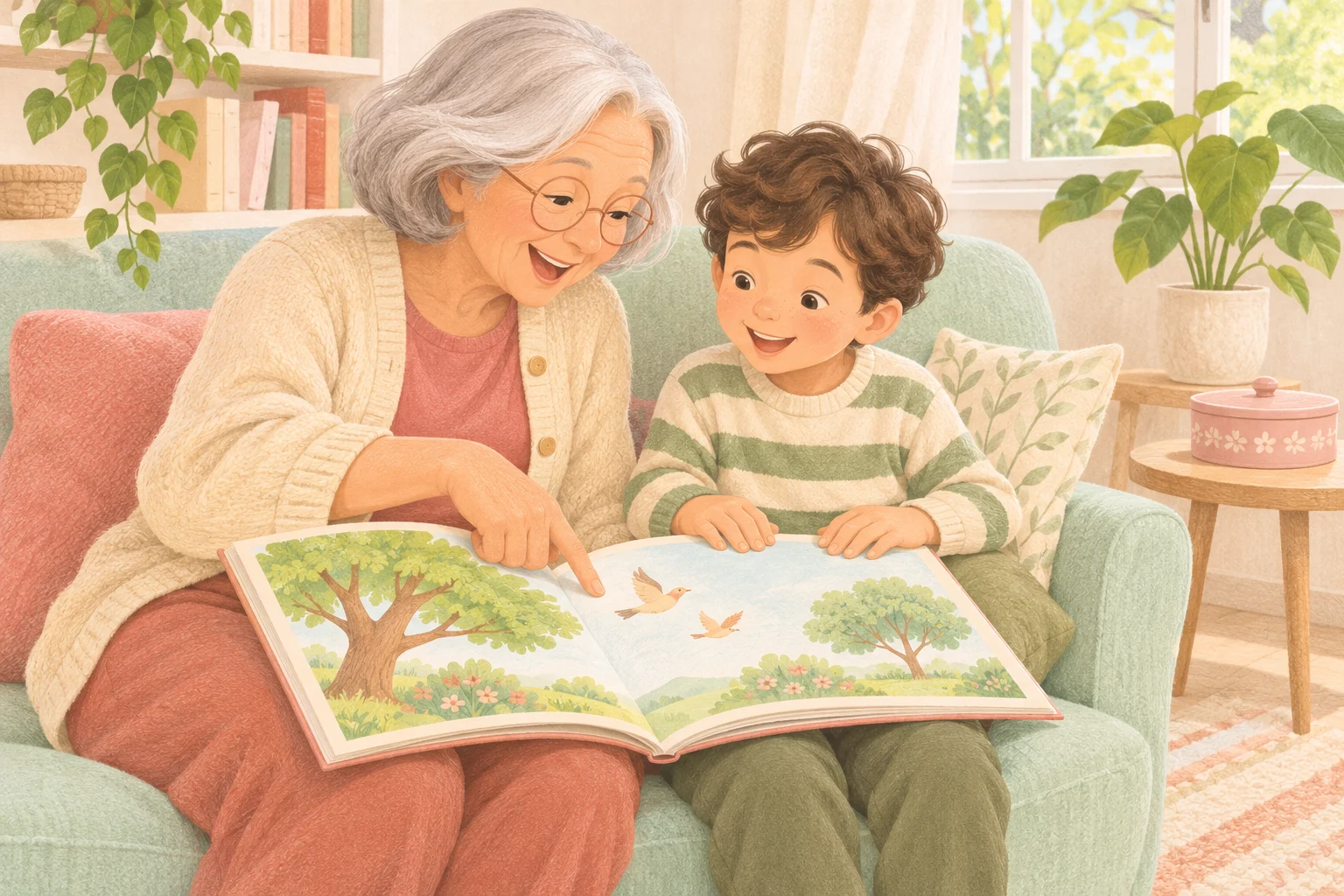
Then give the visit another familiar highlight. A special library book, choosing a song, a short walk or looking at old photos can become the thing the child anticipates. These do not have to be prizes or purchases. Invite the relative to choose something they enjoy too.
Keep treats separate from bargains
AAP guidance advises against sugary foods as rewards for behaviour or for eating another food. Ask relatives to avoid “Finish your vegetables and you can have chocolate” and “Don’t cry and I’ll give you a sweet.”
Use plain information instead: “We’re having dessert with lunch today.” The child does not have to earn it through bites, a hug, a performance or a clean plate. If they refuse part of the meal, avoid turning the planned treat into a negotiation.
Likewise, do not describe sweets as forbidden treasure that only one adult is kind enough to provide. The aim is an ordinary, predictable place for food, with connection coming from the relationship.
Try a three-line handoff
For regular care, write the agreement where both adults can find it. Keep it short:
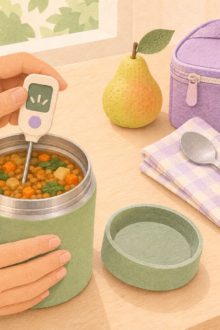
- What is available: “Snack is packed in the blue container; water is in the bottle.”
- What happens with treats: “If there is a sweet food today, please check with me so we can plan it with a meal rather than several separate offers.”
- What is special about the visit: “They are looking forward to choosing a book with you.”
Include food allergies, safe preparation and any medical instructions separately. The one-page grandparent care plan helps keep those details clear.
Where several relatives bring food, one adult can coordinate before the gathering: “Please check what is already planned before bringing more.” Thank people for asking. Avoid making the child collect, count or report everyone’s contributions.
Give children a simple explanation
With ages 3–5, stay concrete: “The cake is for lunch. Now you and Grandma can choose your story.” Expect disappointment without interpreting it as manipulation. Adults can acknowledge the feeling and keep the plan: “You wanted it now. Waiting is hard.”
For ages 6–9, explain that everyone is coordinating meals and tooth care. They can help choose a visit activity or a suitable snack. They should not be responsible for refusing an adult, policing younger cousins or explaining nutrition rules.
Use a picture sequence or a few familiar words if the child communicates differently. If food choices are already very limited, preserve familiar accepted foods and seek individual feeding advice rather than suddenly removing them to enforce a general rule.
Keep the food itself safe
Choose textures and sizes the child can manage, have them sit to eat and supervise appropriately. CDC lists hard or round sweets, gummy candies and marshmallows among choking hazards for young children. Do not assume an item is safe because it is sold as a children’s treat.
Give the caregiver specific examples of what to avoid for this child. Consider chewing and swallowing ability as well as age, and follow any specialist feeding advice. An agreed treat never overrides allergy precautions or a choking-safety decision.
If the plan is ignored
First check for a misunderstanding: was the snack missing, the child hungry or the wording unclear? Adjust the practical problem. For repeated offers after a clear agreement, say what you will change: “I’ll handle food during the next visit while we get this routine working.” Keep the conversation private.
If adults contradict each other in front of the child, pause: “You are not in trouble. The adults will sort this out.” You do not need to make the child reject a gift publicly or skip the next meal to compensate. Return to the usual food routine.
For broader conflict, use our guide to parent–grandparent disagreements. A food-specific plan works best when every adult understands the practical request and the child remains free to enjoy the relationship.
Sources and further reading
- AAP: working with relatives on feeding routines
- AAP: sugary treats, rewards and balance
- NHS: free sugars and tooth decay
- Kansas State University: communicating grandparent boundaries
- CDC: food preparation and choking hazards
Report an error or suggest an improvement
Was this useful?