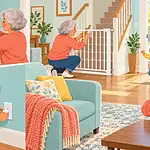
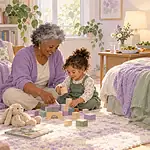
Regular grandparent care can give a child continuity and give parents trusted support. It can also create friction when instructions live in scattered messages or assumptions: “I thought you knew.” A one-page care plan does not make family care cold or formal. It protects the relationship by making the important details easy to find.
Put emergency information first
At the top, list the child’s full name and date of birth; parent or guardian contacts; another emergency contact; clinician and pharmacy; allergies; health conditions; and the local emergency number. Include the child’s address and any information responders would need.
Confirm what the grandparent is legally authorized to do, especially for medical decisions, school collection and travel. Requirements vary by place. Obtain any consent forms the clinic, school or childcare setting needs rather than relying on a handwritten note.
Write the daily rhythm, not a minute-by-minute script
Record typical meals, naps, school times, homework, activities and bedtime. Note what helps with transitions: a warning timer, comfort object, quiet break or visual schedule. Leave room for the grandparent’s own warm routines. The goal is predictability, not surveillance.
For school-age children, link the plan to a manageable morning routine such as School Mornings Without the Daily Emergency.
Be precise about food, allergies and medicine
List confirmed allergies, symptoms, avoidance rules and the action plan provided by a clinician. Explain where emergency medicine is stored and who is trained to use it. For practical preparation around shared food, see Food Allergy Playdates and Parties.
Do not leave medicine instructions as “give some if needed.” Use the written label and clinician-approved plan: medicine name, dose, time, method and what to do if a dose is missed or vomited. Record each dose. Keep all medicines and vitamins locked away from children. Grandparents should never use a different remedy or share a prescription without parent and clinician agreement.
Agree on safety and transport
- Who may collect the child?
- Which car seat, route and driver are approved?
- What are the rules for water, pets, outdoor play and visitors?
- Where are smoke alarms, first-aid supplies and exits?
- What is the plan if the child becomes ill or care must end early?
Update the plan when the child changes car seats, begins a new medicine, gains a mobility skill or receives a new school accommodation.
Align on guidance and limits
Write the few rules that matter most: physical safety, respectful speech, screens, homework and bedtime. Include the agreed response. “No hitting; separate, help everyone calm, then repair” is more useful than “use discipline.” Avoid physical punishment, threats and shaming.
Children benefit when adults do not undermine each other in front of them. If a grandparent disagrees with a rule, discuss it privately. Parents can listen respectfully to what the grandparent observes; regular caregivers often notice patterns worth considering.
Decide how updates will work
Choose what needs an immediate call—injury, breathing trouble, allergic reaction, missing child, unsafe collection request—and what can wait for the handoff. Use a short log for food, sleep, medicine, school messages and notable events. Too many updates can feel like monitoring; too few can hide important information.
Review together
Set a review date every few months and after any major change. Ask the child, at an age-appropriate level, what helps them feel comfortable in each home. A teenager may need privacy and transport agreements; a toddler needs consistent routines and safe surroundings.
Keep the plan to one main page with detailed medical action plans attached. Store a paper copy in a known place and a secure digital copy adults can access. The best plan is the one caregivers can find and use when everyone is tired or worried.