Vitamin A does more for a child’s eyes than almost any other single nutrient, and a genuine deficiency is one of the few nutritional gaps that can cause permanent, irreversible vision loss if it goes uncorrected. The good news is that preventing it is almost entirely about everyday food choices, not supplements or medication, for the vast majority of children who have reasonable access to a varied diet.
Why vitamin A matters specifically for vision
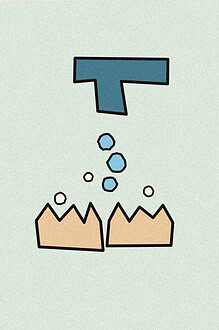
Vitamin A is essential for the retina, the light-sensing layer at the back of the eye, and for keeping the surface of the eye properly moist and protected against infection. A genuine deficiency affects the eye in a fairly predictable sequence: it often starts with difficulty seeing in low light or at dusk, sometimes called night blindness, and in more advanced cases can progress to visible dryness of the eye’s surface, small foamy patches on the white of the eye known as Bitot’s spots, and in severe, prolonged cases, permanent damage to the cornea.
Vitamin A is not only about vision. It also plays a significant role in supporting the immune system, which is part of why deficiency is associated with a higher risk of serious illness in young children generally, not just eye problems specifically.
Who is most at risk
Deficiency is most common in young, preschool-age children and in pregnant or breastfeeding women, largely because their vitamin A needs are proportionally higher relative to their intake. It is far more common in settings where diets rely heavily on starchy staples with little variety, and where diarrhoeal illness is frequent, since repeated diarrhoea interferes with the body’s ability to absorb the vitamin from food even when it is present in the diet.
Foods that genuinely help
Vitamin A, or its plant-based precursor beta-carotene, shows up reliably in a specific set of foods worth knowing:
- Leafy green vegetables, such as spinach and kale
- Orange and yellow vegetables and fruits, such as carrots, pumpkin, mango, and papaya
- Eggs
- Fish and liver, where eaten
- Fortified foods, in countries where staples like cooking oil or flour are fortified with vitamin A as a public health measure
By contrast, foods that make up the bulk of many children’s diets globally, rice, cassava, maize, and other starchy staples, are low in vitamin A on their own, which is exactly why a diet built heavily around these without much variety around them can leave a real gap.
Building the habit, practically
A few genuinely useful, low-effort approaches:
Add colour, deliberately. A simple, repeatable rule, aim for something orange, yellow, or dark green at most meals, covers a surprising amount of ground without requiring a nutrition degree to apply.
Pair with a little fat. Vitamin A and beta-carotene are fat-soluble, meaning they are absorbed better alongside some dietary fat, a reason cooking vegetables with a small amount of oil, or serving fruit alongside a source of fat like yoghurt or nuts, genuinely helps the body use what is in the food.
Grow it, if that is an option. Where there is space, a small kitchen garden with leafy greens or pumpkin is a genuinely effective, low-cost way to keep vitamin A-rich food consistently available, and several public health programmes specifically encourage school or home gardens for exactly this reason.
Treat diarrhoea seriously, not just as an inconvenience. Because repeated diarrhoeal illness interferes with vitamin absorption, keeping a child well hydrated during illness and addressing the underlying cause protects their nutritional status, not just their comfort, during the illness itself.
When to involve a doctor
If you notice signs of possible deficiency, particularly difficulty seeing in dim light, unusual dryness of the eyes, or any visible white or foamy patches on the eye’s surface, this is worth a prompt visit to a doctor rather than waiting to see if diet changes help first. In children where deficiency is confirmed or strongly suspected, a doctor can advise on vitamin A supplementation, which is a specific, medically supervised treatment, not something to attempt to replicate at home with over-the-counter vitamins without guidance.
For most families with reasonable access to varied food, deficiency is preventable simply through the everyday habit of including colourful vegetables and fruit regularly, which is a far more achievable goal than it might sound, once it becomes routine rather than an afterthought.