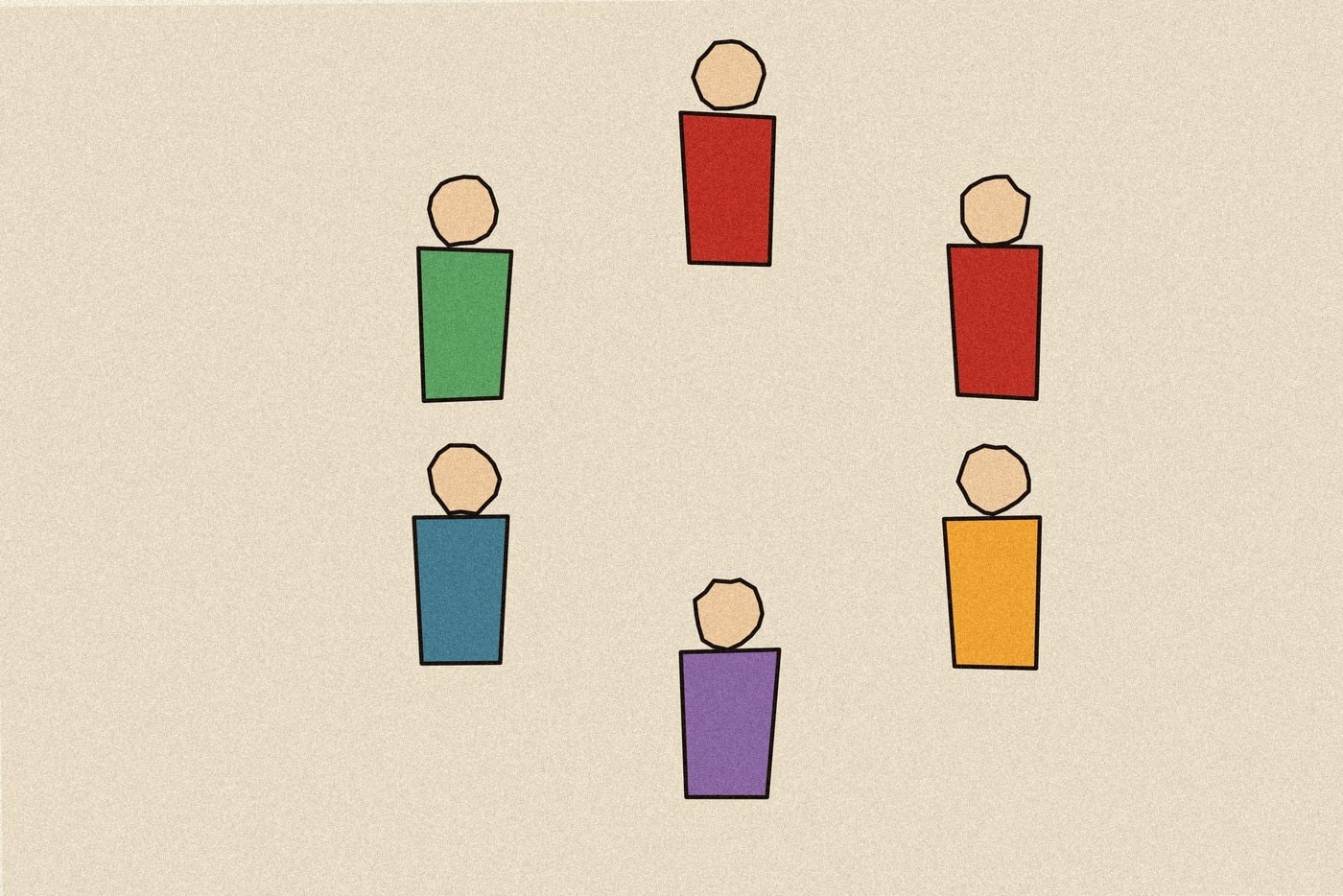
Germs are, by definition, invisible, which is exactly what makes them so hard for a child to take seriously. A rule like “wash your hands or you might get sick” is abstract and easy to ignore. A rule you can actually watch spread around a room, in minutes, in front of your own eyes, lands very differently. This is a genuinely effective, low-cost activity for showing a child, rather than just telling them, how easily germs pass from person to person.
What you need
A small amount of hand cream or lotion, and either fine ash, chalk dust, or a dusting of flour or cocoa powder (something visibly different from skin colour that will transfer on contact). That is the entire list. This works well with a small group of children, siblings, a birthday party, a classroom, or even just one child and a couple of adults.
How to run it
Choose one person to be the “infected” starting point. Rub a small amount of hand cream onto their hands, then dust or press the ash, chalk, or powder onto the cream so it visibly coats their palms and fingers.
That person then shakes hands with one other person in the group. After the handshake, both of them now have some of the powder transferred onto their hands, though it may not be obvious yet.
Those two people each then shake hands with one more person each. Now four people carry some trace of the powder. Repeat the pattern: each newly “infected” person shakes hands with one more person who has not yet shaken hands with anyone in the chain.
Keep going, round by round, and count how many rounds it takes before everyone in the group has shaken at least one hand in the chain.
The reveal
Once everyone has had a turn, ask each person to look closely at their own palms. In most groups, the powder has visibly spread to nearly everyone within just two or three rounds of handshakes, often faster than children expect. Some will have only a faint trace; others, especially those near the start of the chain, will have quite a visible amount.
This is the moment to make the point explicit: ask the group how many people they think could have gotten “sick” if that powder had been real germs, rather than something harmless. Usually, the honest answer is almost everyone in the room, from a single starting point.
The conversation that makes it stick
A few questions work well to extend the activity into an actual discussion, rather than just a fun demonstration:
- How many handshakes did it actually take before most of the room was affected?
- Could you tell, just by looking, who had the powder on their hands before you checked? (The answer is almost always no, which is exactly the point: germs are invisible the same way.)
- What would have stopped the chain from spreading as far? (Washing hands partway through the game is the obvious answer, and worth trying as a second round.)
- Does this only apply to handshakes, or does the same idea apply to touching door handles, shared toys, or food?
A second round worth running
If time allows, run the activity again, but this time have everyone wash their hands thoroughly with soap partway through the chain, after two or three rounds of handshakes. Compare how far the powder spreads in this version versus the first. This turns the activity from a single demonstration into an actual experiment that shows handwashing interrupting the chain, which tends to land more convincingly than simply being told washing hands helps.
Why this works better than just explaining it
Children, like most people, learn more durably from something they experienced and can describe in their own words than from a rule they were simply told. A child who has watched powder spread across an entire room from one person’s hands has a concrete, memorable image to draw on the next time they are tempted to skip washing their hands before a meal, in a way that “germs make you sick” alone rarely achieves.
Finish by having everyone actually wash their hands properly with soap and water, both to clean up and to close the activity with the behaviour it was designed to reinforce.