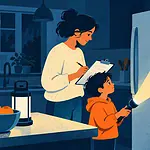
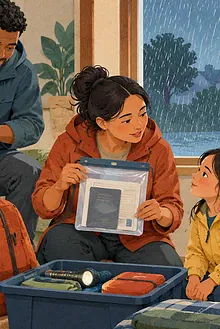
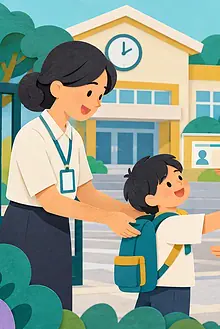
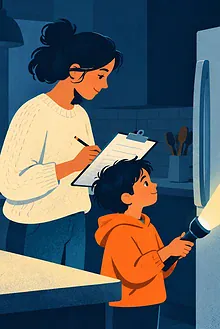
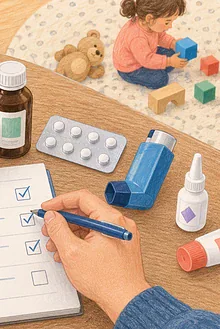
A heat plan works best before the forecast turns red and every fan is sold out. The checklist should name where the family can cool down, how children will drink regularly, who checks transport and which symptoms mean activity stops or urgent help is needed.
Write the plan around your real home
List the coolest room and how you will shade it. Note nearby cooler places that are genuinely accessible: a library, community centre, relative or official cooling centre. Check hours, transport, mobility access, toilets and whether pets are allowed. Do not assume a place opens during a power cut.
Add the local alert source and two adults who can check on each other. If a child has asthma, heart disease, another chronic condition, disability or equipment affected by heat, ask their clinician for an individual plan. Record its location rather than inventing thresholds.
Use a morning checklist
- Check the official warning and hottest hours.
- Move strenuous activity to a cooler time or cancel it.
- Fill safe drinking containers and pack more than one source.
- Choose loose, lightweight, light-coloured clothing and sun protection.
- Confirm every child will be handed to a responsible adult.
- Check the entire car every time everyone gets out.
CDC guidance is clear: never leave a child in a parked vehicle, even with windows open. A cracked window is not a safety measure. Create a physical reminder, but never rely on a phone alert alone.
Plan drinking without a contest
Offer fluids regularly and keep them reachable. Babies, children who communicate without speech and children absorbed in play may not ask. Breastfed or formula-fed infants need age-appropriate feeding guidance; do not give extra water to a young infant without qualified advice. Avoid universal quantities copied from social media.
Make the stop rule clear
Write: “Stop, move to a cool place and tell an adult if anyone feels faint, confused, unusually weak, sick, has a severe headache or is not behaving normally.” Heat illness may become an emergency. Call local emergency services for confusion, collapse, seizure, loss of consciousness, very high temperature or suspected severe heat illness. Begin cooling while help comes, following official guidance.
Adapt by age
For babies and toddlers, an adult controls shade, clothing, feeds and location. Preschoolers can choose a bottle and practise “I need a cool break.” School-age children can mark shaded rest stops. Teens can check forecasts and support siblings, but should not be solely responsible.
Align supplies with the family emergency checklist. For mobility, sensory or medical needs on journeys, use this accessible travel plan. Cooling around water still requires the supervision in a water-safety plan.
Review after the hot spell
Record which room stayed coolest, whether transport worked and which supplies ran out. Replace used items and update before the next alert. The goal is reducing exposure and acting early.
Add a neighbour and caregiver check: who may need a call, who has a spare cool space, and who can transport a child safely? Never send a child alone to check another household. Adults coordinate support and continue following official warnings.
If school, childcare or sport continues, ask who monitors conditions, where cooling breaks happen and how families are contacted. Give the setting the child’s individual health plan where relevant. “Drink when thirsty” may not be enough for a young child who cannot recognise or communicate thirst.
Sources and further reading
Plan for sleep and overnight heat
Heat risk does not end at sunset. Check whether the sleeping room cools, whether bedding can be reduced safely and whether a cooler overnight location is available. Babies still need a firm, flat, clear sleep space; do not add unsafe products in an attempt to cool the cot. If a fan is used, place cords and blades safely and remember that moving very hot air may not be enough. Follow local health advice during prolonged heat and power loss.