
By EdCaptain editorial desk · Published
A picture of music time is only useful if your child knows what it means. The shaker they actually use may tell them more. When pictures are not yet meaningful, an object schedule can offer a concrete way to introduce what is about to happen.
This guide is for caregivers of children aged 3–9 who need that kind of support, including some blind, low-vision or deafblind children. Age alone does not decide the format. Build on your child’s experiences and any communication or vision-access plan already agreed with their team.
Begin with one event, not a whole timetable
You do not need a row of objects for the entire day. Start with one familiar activity that your child usually enjoys and that you can actually offer now. The aim is to connect a cue with an experience, then make its ending understandable.
Sheffield Children’s NHS guidance includes real objects among the ways to present a timetable and advises limiting the information to what the child can manage. This is different from buying a larger picture chart because a smaller one was ignored.
If pictures already communicate clearly, you may prefer a two-item now-and-next board. Here, the starting question is earlier: what does this particular object mean to my child?
Choose something from the actual experience
Perkins School for the Blind’s object-schedule guidance stresses familiar objects, consistent language and the child’s own experience. An adult’s clever association may not communicate the same thing to the child.
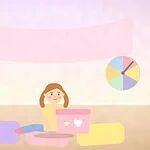
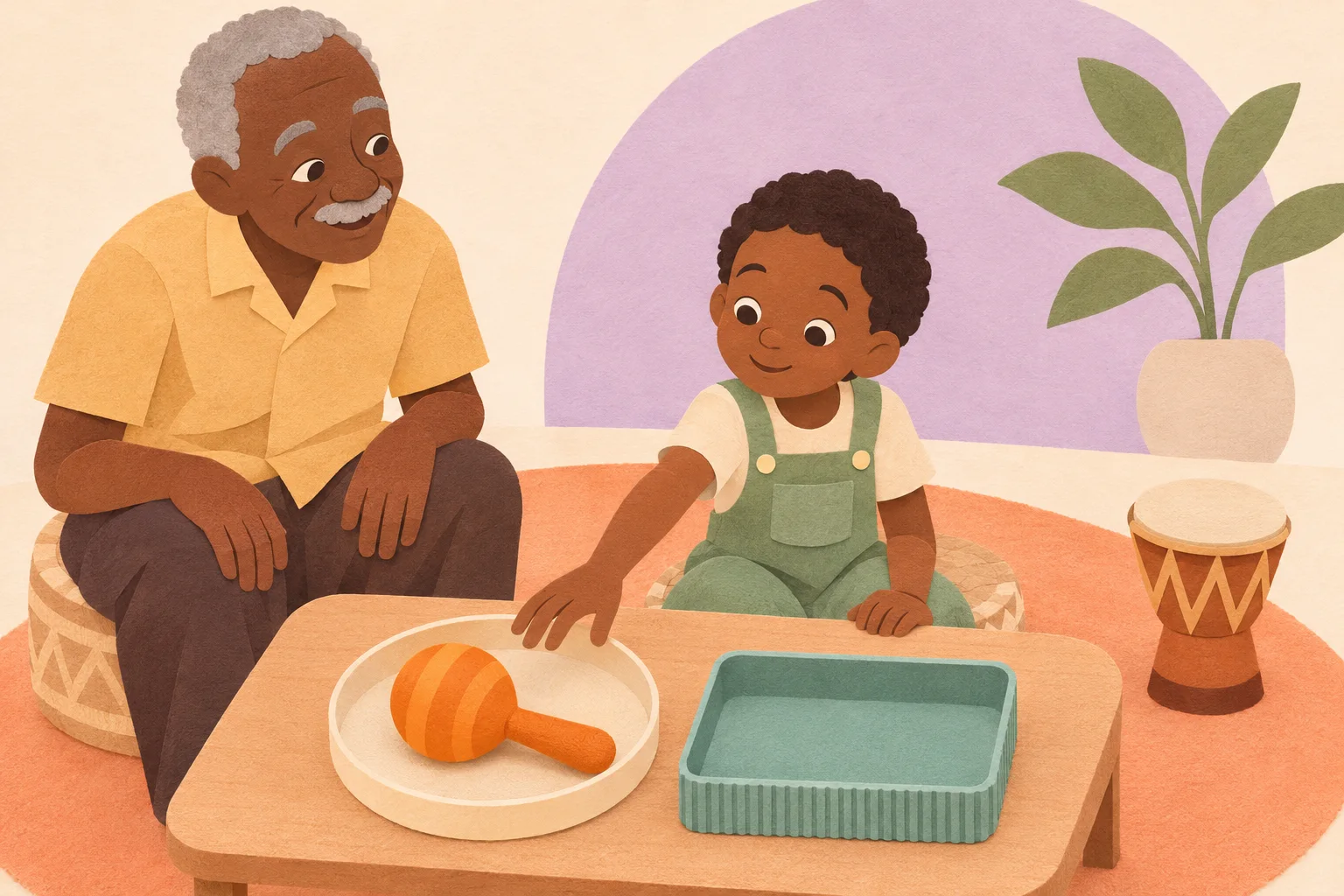
For example, you could use the large, intact toy shaker your child already handles during your shared music time. Offer that same shaker during the activity. A printed music note, a miniature instrument or an unrelated textured card adds another association to learn.
Think about what your child notices or handles themselves. Do they recognise the object comfortably? Does it belong clearly to this activity, or is it used for several different things? If you are unsure, observe ordinary use before making it a schedule cue. Do not treat recognition as a quiz.
Use safe, clean, age-appropriate objects with no loose pieces, sharp edges or accessible batteries. Avoid magnets, beads, detachable decorations, cords and medical equipment as homemade cues. Account for mouthing, chewing and individual safety needs even when a child is older than three. Do not cut up safety equipment to make a symbol.
A simple setup
- One familiar object for one available activity.
- A stable, reachable place for the upcoming object.
- A separate place for the object when the activity is finished.
- A shared short name for the object or activity, used by the adults involved.
Two shallow containers may work, but they must be distinguishable to your child. Colour alone will not help someone who cannot use that information. Shape, position or an existing safe surface texture may be more useful. Avoid adding glued-on small pieces. Keep the arrangement consistent and leave the surrounding surface uncluttered.
For a child with vision or movement needs, ask their specialist teacher or relevant therapist about placement, reach and useful contrast. A system is not accessible simply because it contains something touchable.
Try this short sequence together
- Prepare the activity first. Have the space and support ready. Do not present the music cue and then start a long search for the instrument.
- Offer access to the object. Bring your child to the familiar place or bring the cue within comfortable reach. Use their usual communication: for example, “Music with the shaker.” Allow time to notice or explore it.
- Follow through. Take that object to the activity together. If carrying is difficult, the adult can carry it while keeping it available to reference. Carrying independently is not the goal.
- Make the ending clear. When the activity ends, use a brief familiar message such as “Music is finished.” Show where the object goes now. Offer the child a part in this without forcing their hands or requiring a particular response.
- Prepare the next occasion honestly. Repeat the connection when that activity really is available. Introduce another cue only when it serves a useful purpose and with support if needed.
These are practical home examples, not a prescribed therapy programme. Never hold a child’s hands onto an object or insist they look at it. Keep their usual signs, communication device or other supports available; an object cue does not replace them.
Adapt the experience without making it a test
For ages 3–5, choose a very familiar shared activity and let the adult organise the containers. The child’s participation might be reaching, turning towards the object, making a sound, signing or simply exploring alongside you. You need not demand a spoken label.
For ages 6–9, use an age-respectful setup in a place the child can access. Involve them in choosing between familiar activities if their communication supports that choice. They might show an adult the cue, indicate “again” or help return it. Do not call the system babyish because it uses objects.
Perkins’ guidance on accessible calendars for children with cerebral/cortical visual impairment describes individual assessment and explains that moving to pictures or technology is not a required final destination. Keep a useful format; do not withdraw it to push progress.
Notice what needs changing
After a few ordinary uses, jot down what happened: could the child reach the cue, recognise its connection and participate comfortably? Was the ending clear, or did the finished container seem to mean “more music”? These observations help you discuss the setup with another caregiver or professional.
If there is confusion, check the object, placement, wording and adult follow-through before adding more items. If your child is distressed, stop and address their needs. A schedule cannot remove pain, fatigue or disappointment.
Our guide to making a routine chart usable can help with the wider setup. For ongoing difficulty accessing cues, work with the child’s speech and language therapist, specialist vision teacher or other relevant professional. The useful outcome is a shared, understandable moment—not a perfectly filled set of boxes.
Sources and further reading
- Perkins School for the Blind: Object Schedule Systems, including the full transcript
- Perkins School for the Blind: designing CVI-accessible calendar systems
- Sheffield Children’s NHS Foundation Trust: visual support and timetables
Read our editorial policy and health information guidance.