A trampoline invitation can put a caregiver in an awkward position: the activity looks familiar, the child is excited, and the risks are easy to underestimate. The American Academy of Pediatrics recommends that children avoid recreational trampolines except in structured settings with professional coaches and specialised equipment. That is the clearest starting point for a family decision, not a reason to frighten children.
Why supervision cannot remove the main hazards
An adult can stop rough behaviour, but cannot control the mat when another jumper lands. Children are injured by collisions, awkward landings, falls from the surface, contact with frames or springs, and “double bounces” that launch a lighter child unexpectedly. The smallest person on a shared mat is especially vulnerable.
Toddlers and preschoolers face particular risk. HealthyChildren states that children under six should never jump. A net and pads may reduce some falls or contact injuries, but they do not prevent the forces that cause fractures, sprains, concussion or neck injury.
Decide before the party or playdate
Ask whether children jump one at a time, whether flips are prohibited, whether equipment is inspected, and whether a trained coach is present. At a commercial park, read the waiver for the hazards it describes. Bigger, springier connected surfaces and many moving people do not automatically make a park safer.
Give your child a simple, non-dramatic answer: “I know it looks fun. We are choosing activities where we can manage the risks.” If attending, agree on a non-bouncing option so the child is not left negotiating at the door.
If an older child is allowed to bounce
- Only one jumper uses the surface at a time; no double-bouncing.
- No flips, somersaults, head-first moves or jumping from a roof or platform.
- An attentive adult stays close, and the session ends when rules or coordination slip.
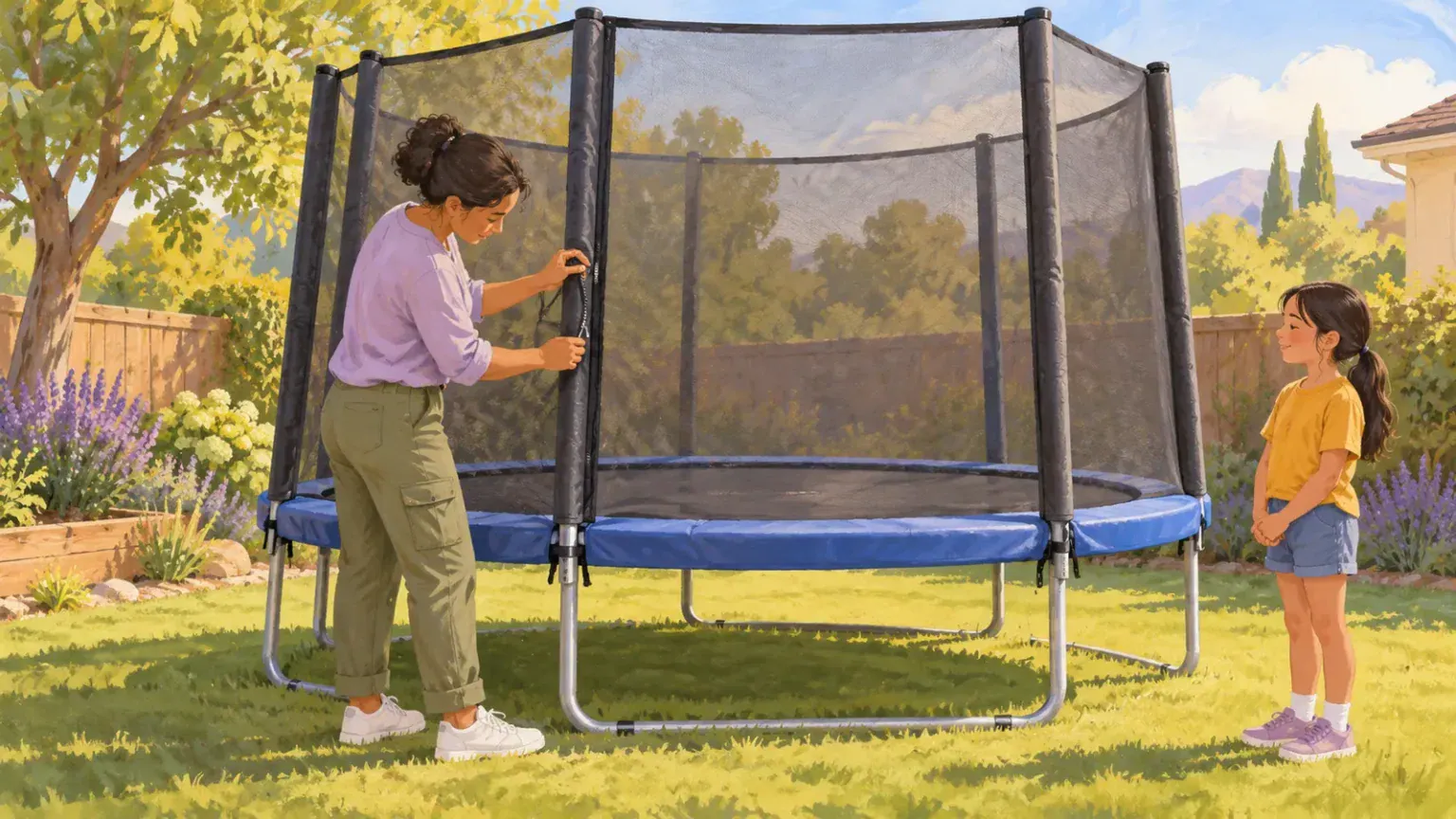
- The enclosure remains zipped; pads, supports, mat and net are checked before use.
- The trampoline sits level and away from trees, walls and other play equipment; the ladder is removed afterward.
Quieter times at a bounce park may reduce crowding, but they do not remove risk. Encourage small controlled bounces first. Stop before fatigue changes balance or judgement.
Know when to seek help
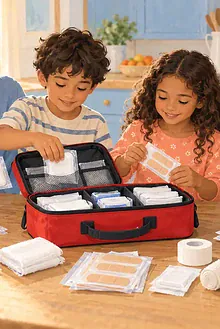
End the activity after a hard fall or any head, neck or back impact. Seek urgent medical assessment for severe or worsening pain, inability to bear weight, deformity, confusion, repeated vomiting, unusual sleepiness, weakness, numbness or any concern about the spine. Do not move a child with a possible spinal injury unless there is immediate danger; follow emergency-service instructions.
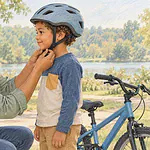
Offer energetic alternatives rather than only saying no: coached gymnastics using professional equipment, cycling, swimming with supervision, dance, playground play or a low obstacle course can still meet the need for movement.
Keep the boundary consistent
Share the decision with grandparents, babysitters and other caregivers. Revisit it as the child grows, but do not let a birthday invitation become the moment when the rule changes. A calm, predictable boundary is easier for children to accept than a last-minute argument.
For other calm safety conversations, use EdCaptain’s guide to safety drills without fear and caregiver handover sheet.
Review the decision as the setting changes
A child may encounter trampolines at school, camp, a relative’s home or a holiday park. Ask who supervises, what equipment is used and whether participation is optional. A professionally coached programme with specialised equipment is different from unsupervised recreational bouncing, but families can still ask about staff qualifications, inspection and emergency procedures. Record the family boundary for regular caregivers so nobody has to improvise.
If the child has a medical condition, previous injury or disability that affects balance, bones, joints or communication, discuss suitable physical activity with their qualified health professional. Do not treat a trampoline as therapy unless it is part of a properly designed professional programme.