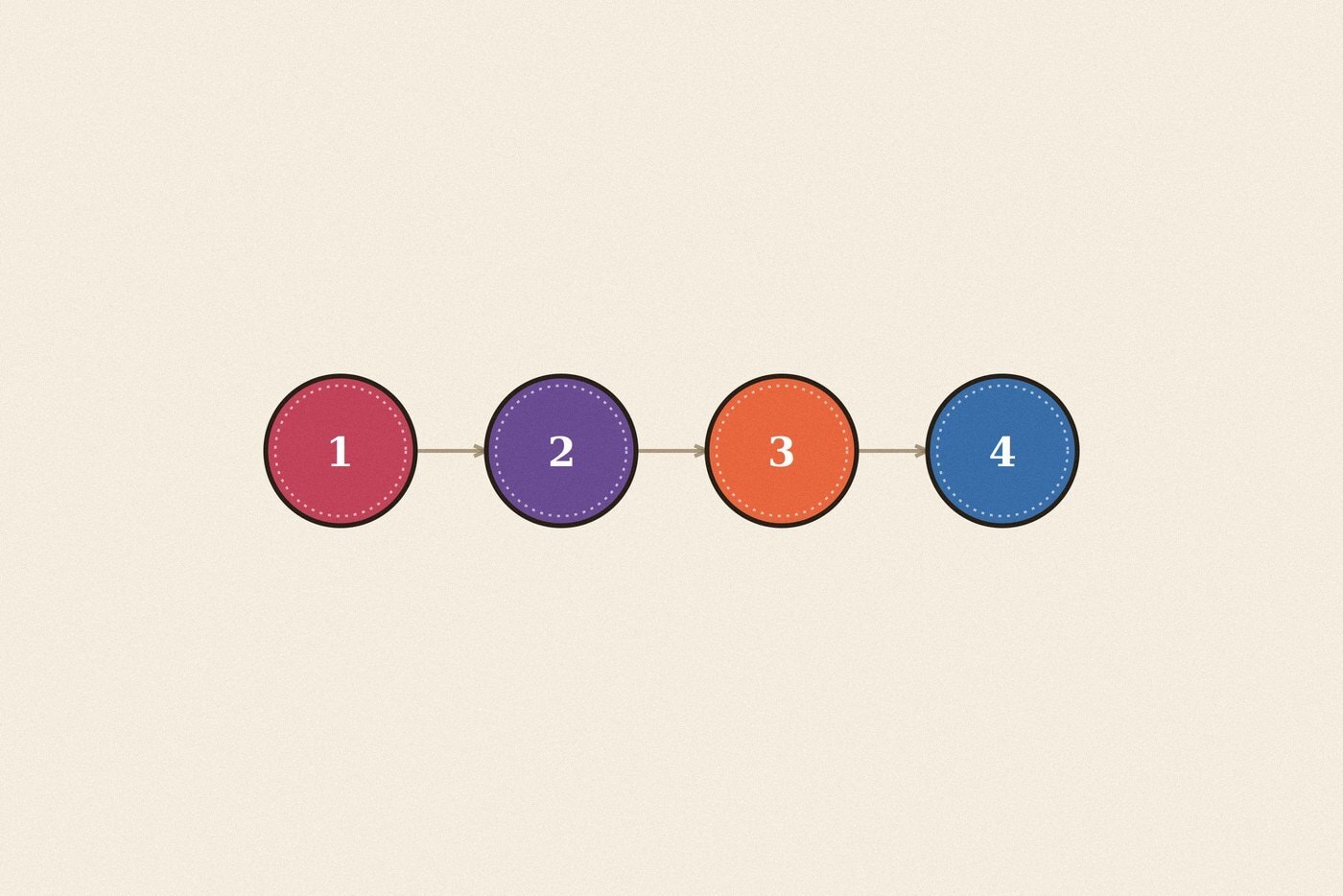
Few skills are tested as often, and as visibly, as a child’s ability to actually wait their turn without fussing, grabbing, or constant reminders. Waiting Your Turn breaks a genuinely difficult form of patience into something a child can practise deliberately.
Why this skill matters
Waiting calmly, whether for a turn in a game, a chance to speak, or simply a parent’s attention, is a skill that gets tested constantly throughout childhood and well into adult life. A child who can wait without a meltdown is easier to include in group activities, and tends to be given more responsibility and trust as a result.
The steps
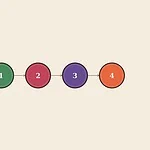
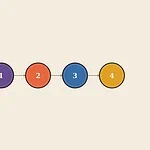
1. Notice when it’s not your turn yet. Recognising the moment is the first part of managing it well.
2. Find something to focus on while you wait. Watching what’s happening, or quietly occupying your hands, makes the wait considerably more bearable than simply staring at the clock.
3. Stay calm, even if the wait feels long. A few slow breaths can help settle the urge to interrupt or grab.
4. Take your turn calmly and fully when it comes. Jumping in too fast, or rushing through your own turn out of relief, is worth avoiding too.
How to teach this at home
Practise with short, deliberately structured waiting moments, a board game with clear turns, a simple waiting game, rather than only expecting the skill to appear fully formed in a genuinely long, unstructured wait. Narrate your own waiting out loud occasionally, “I’m waiting for the website to load, it’s a little annoying, but I’m just going to breathe and wait,” which shows your child that even adults have to actively manage impatience.
Why distraction is a legitimate strategy, not cheating
It’s worth explicitly teaching a child that finding something to focus on while waiting, rather than staring fixedly at what they want, is a genuinely good strategy, not a way of “not really” waiting properly. An adult standing in a long queue who checks their phone or chats with a friend is using the exact same strategy, and it’s worth naming that explicitly so a child doesn’t feel they’re doing it wrong.
A child who’s practised noticing the wait, finding something to focus on, and staying calm until their actual turn arrives handles one of childhood’s most frequently repeated challenges considerably better than one left to simply figure it out through frustration alone.