There’s a real difference between demanding something and asking for it politely, and a child who only knows the first way tends to get a “no” far more often than one who’s learned the second. Making a Request Politely gives a child the actual pattern for asking well.
Why this skill matters
How a request is framed genuinely changes how it’s received, a polite, clear request gets a more favourable response, more often, than a demand or a whine ever manages. Children who learn this skill early tend to get more of what they ask for, simply because the people around them are more willing to say yes to a request made well.
The steps
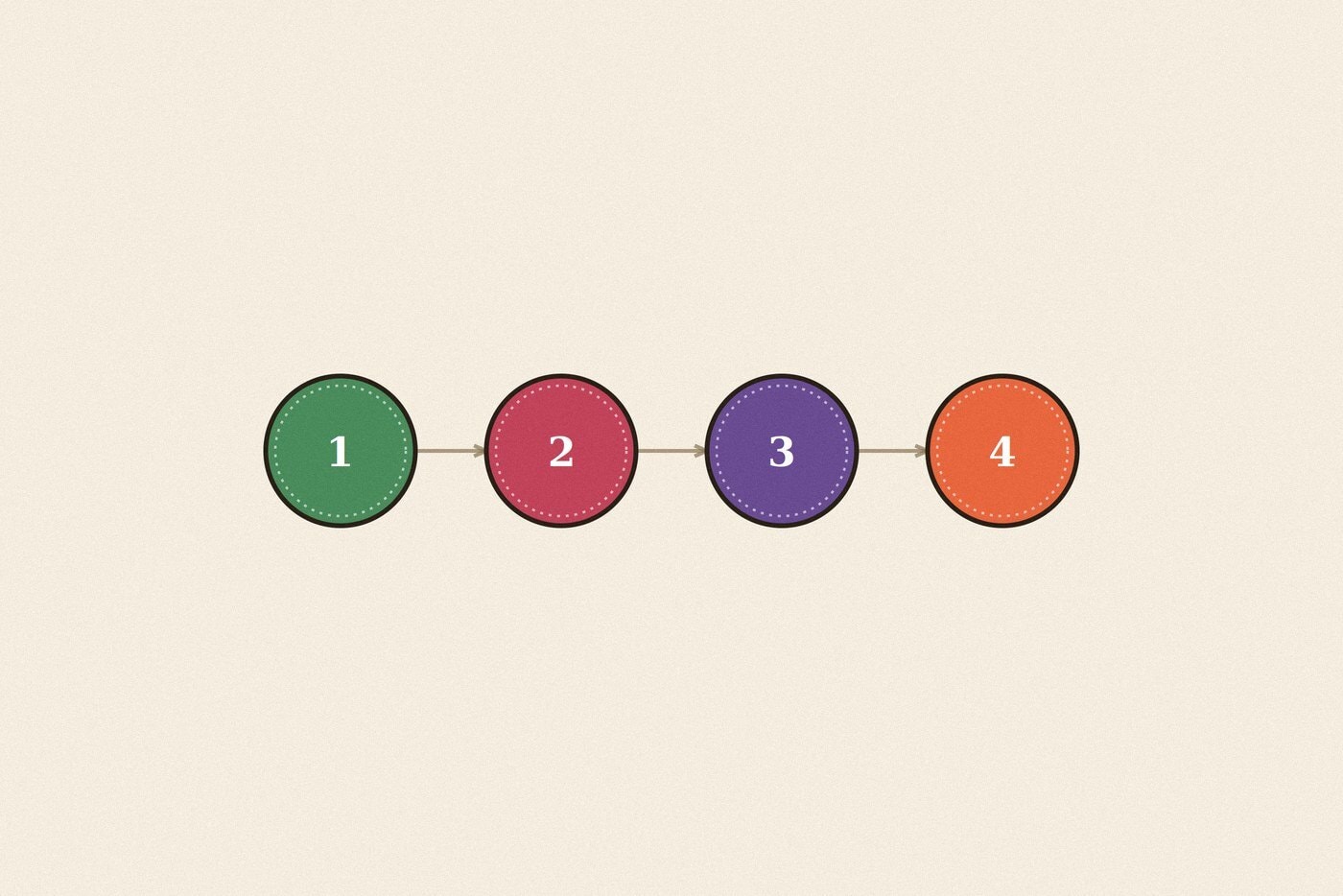
1. Look at the person and wait for a good moment. Interrupting someone mid-task with a request rarely goes well.
2. Use a polite opener, like “could you” or “would you mind.” A small, polite framing signals respect before the actual ask.
3. State clearly what you’re asking for. A specific, clear request is easier to say yes to than a vague one.
4. Say thank you, whatever the answer turns out to be. Gracious thanks, even for a “no,” keeps the relationship warm for the next request.
How to teach this at home
Model polite requests yourself in everyday moments, “would you mind passing the salt, please,” rather than a bare command, so your child hears the pattern used naturally and often. When your child makes a demand rather than a request, calmly model the better version back, “try asking me that again, starting with could you,” and give them the chance to immediately practise the improved version.
Why timing is part of the skill too
A perfectly polite request made at a genuinely bad moment, interrupting someone on the phone, demanding attention mid-task, can still land poorly. Teaching a child to notice whether now is actually a reasonable moment to ask, not just how to phrase the words, rounds out the skill considerably.
A polite opener, a clear ask, and genuine thanks regardless of the answer, is a small pattern that noticeably changes how often a child actually gets what they’re asking for, and it tends to make them a considerably easier, more pleasant person to say yes to.