“It’s nothing, really,” deflects a compliment that someone genuinely meant, and over time, that habit of brushing kindness aside can leave a child feeling less confident, not more modest. Accepting a Compliment teaches a child how to simply, graciously take in something kind said about them.
Why this skill matters
Deflecting or dismissing compliments, even with good intentions, often makes the person who gave it feel a little dismissed too, and it reinforces a habit of not believing good things said about yourself. A child who can accept a compliment simply and warmly tends to build both stronger self-esteem and more comfortable relationships, since the person complimenting them feels genuinely heard.
The steps
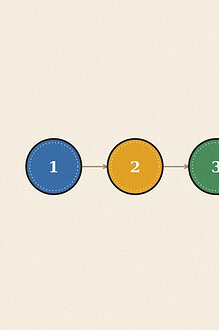
1. Look at the person. Eye contact shows you’re actually receiving what they said, not brushing past it.
2. Say “thank you.” A simple, genuine thank you is a complete, sufficient response on its own.
3. Avoid immediately arguing or deflecting. Resist the urge to say “it was nothing” or point out a flaw instead.
4. Let yourself actually feel good about it, even briefly. Accepting a compliment includes accepting the good feeling that comes with it.
How to teach this at home
Model this directly by accepting compliments yourself, calmly and simply, in front of your child, rather than deflecting your own. When your child deflects a compliment you’ve given them, gently point it out, “I noticed you said it was nothing, try just saying thank you instead,” and give them a chance to practise the simpler response right there.
Why deflecting feels polite but often isn’t
Many children deflect compliments because it feels humble, or because they genuinely don’t believe the kind thing just said about them. But deflecting repeatedly tends to come across as dismissing the other person’s genuine opinion, and over time, it reinforces a habit of not quite believing good things about yourself, which is worth gently interrupting rather than reinforcing.
A simple “thank you,” said with real eye contact and without immediately arguing the point, is a small skill that helps a child both build genuine confidence and make the people around them feel properly heard when they offer something kind.