Noticing someone else is struggling, and actually stepping in to offer help rather than simply watching, is a skill that combines genuine empathy with the confidence to act on it. Offering to Help Someone gives a child a clear, practised way to do exactly that.
Why this skill matters
A child who notices and acts on someone else’s need, a dropped stack of books, a sibling struggling with a task, a classmate sitting alone, is building real empathy alongside genuine social confidence. Children who develop this skill tend to be well liked and well trusted, since people naturally gravitate toward someone who’s reliably kind without needing to be asked.
The steps
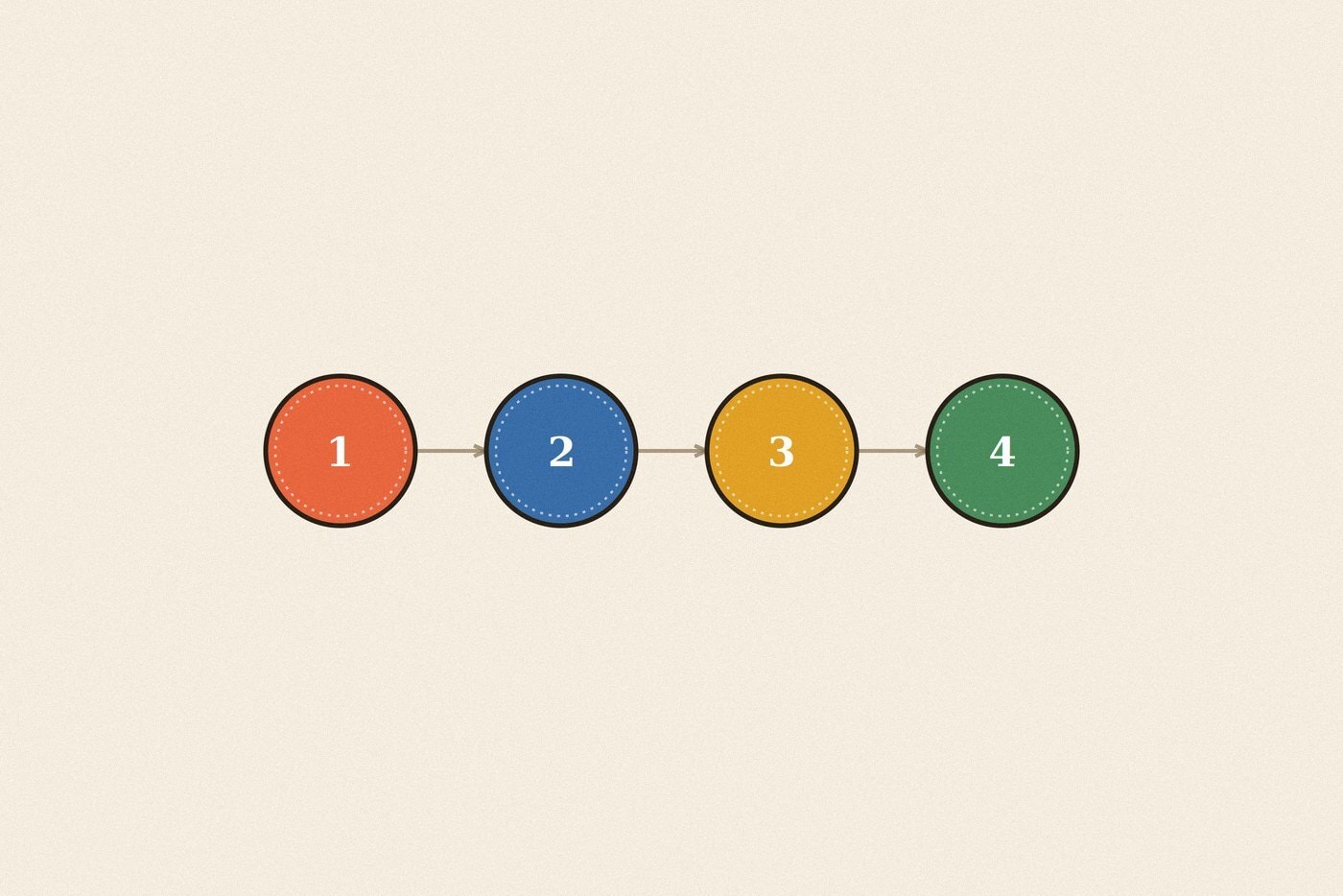
1. Notice that someone might need help. Paying attention to the people around you is the first, essential part of this skill.
2. Decide if it’s actually appropriate to offer. Not every struggle needs or wants outside help, so a little judgment matters here too.
3. Offer clearly and kindly, “would you like some help?” A direct, friendly offer respects the other person’s choice to say yes or no.
4. Accept their answer, whether it’s yes or no. Respecting a “no thank you” matters just as much as the offer itself.
How to teach this at home
Point out moments when you notice someone could use help, and think out loud about whether and how to offer, which models the noticing and the judgment behind the skill, not just the final words. Praise your child specifically when they offer help on their own, without being prompted, “I saw you noticed your brother was struggling and you offered to help, that was really thoughtful.”
Why accepting “no thank you” is part of the skill
It’s worth teaching directly that a genuine offer to help includes genuinely accepting it if the answer is no, some people prefer to work through a struggle on their own, and that preference deserves real respect. A child who pushes help on someone who’s declined it isn’t quite finishing the skill correctly, however good their original intention was.
Noticing, offering, and respecting the answer either way is a small sequence that builds real, practical empathy, and a child who practises it regularly tends to become the kind of person others are genuinely glad to have around.