Putting a group of people in a room and calling them a team doesn’t actually make them one. Real teamwork, the kind where a group genuinely works better together than any one person could alone, depends on a handful of specific habits, and it’s worth teaching children what those habits actually are.
Why this matters
Children are told to “work as a team” constantly, in school projects, in sports, in family chores, but rarely shown what separates a team that functions well from one that quietly falls apart into resentment and uneven effort. Understanding a few concrete principles gives a child something to actually aim for, rather than just a vague instruction to cooperate.
The principles worth teaching
Being friends doesn’t automatically make a good team. It’s worth naming this directly, since it surprises many children: friendship can actually make teamwork harder, since people sometimes take on too much for a friend, or let a friend’s carelessness slide in a way they wouldn’t tolerate from someone else.
Say clearly, at the start, who’s doing what. A surprising number of team problems trace back to nobody ever actually agreeing on who was responsible for which part.
Respect that everyone brings something different. Different experiences, different working styles, different ideas, a good team treats this as a genuine resource, not an inconvenience to manage.
Stay open to a better way of doing something. If a teammate suggests a different approach, it’s worth actually considering it, rather than defending the original plan purely out of habit.
Keep the workload roughly balanced. Both over-committing out of eagerness and under-committing out of reluctance tend to cause real friction eventually.
How to teach this at home
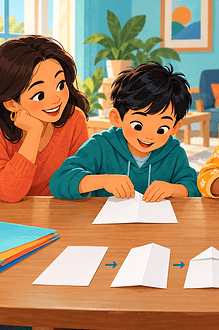
Use an actual family project, planning a trip, organizing a shared chore, as a real, low-stakes chance to practise these principles together: who’s doing what, and does everyone agree it’s fair? When something goes wrong in a group project your child is part of, work backward through these principles together afterward, which one broke down, and what might have helped?
Why naming these principles out loud matters
Most children have a rough, intuitive sense that teamwork sometimes goes well and sometimes doesn’t, without ever having the specific reasons spelled out. Naming the actual principles, clear roles, respect for differences, a fair balance of work, gives a child concrete things to check for next time, rather than just hoping a group effort works out.
A team that actually works well together isn’t an accident, it’s usually the result of a handful of habits practised consistently, and a child who learns to recognise and build those habits early carries a genuinely valuable skill into every group they’ll ever be part of.