Acting out a tricky situation, rather than just talking about it, gives a child real, practised experience handling it before the real moment ever arrives. But “role-play” isn’t just one thing, there are several genuinely different ways to use it, each suited to a different kind of situation.
Why this matters
Many parents default to a single, familiar style of role-play, acting out a full scenario together, without realising there are other formats that might actually suit a particular situation better. Knowing the different approaches gives a parent real flexibility: a quick, spontaneous moment calls for something quite different from a carefully planned practice session.
The scripted version
Write out a full scenario in advance, with rough lines for each person to work from, and act it through together. This works well when a child needs to practise something specific and precise, exactly what to say if a stranger asks them to come somewhere, for instance, where the actual wording genuinely matters.
The coaching version
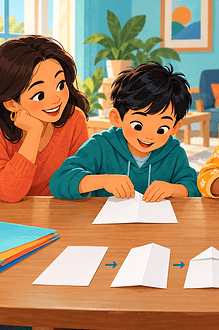
Act out a situation yourself first, narrating and explaining your choices as you go, then invite your child to ask questions or try the next part themselves. This works especially well for a genuinely new skill a child hasn’t attempted before, since watching a full, explained demonstration first builds real confidence before they have to try it alone.
The spontaneous version
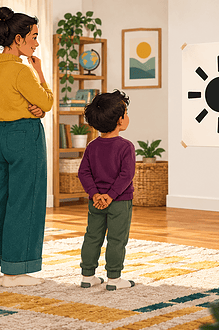
Rather than planning anything, step into a quick, improvised version of a scenario the moment it becomes useful, right in the middle of an ordinary conversation. This works well for small, everyday moments, modelling how to politely decline something, say, worked into a natural conversation rather than set up as a formal practice session.
The rotating version
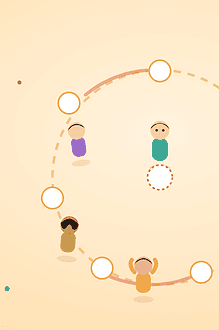
With three people, take turns playing each role in the same scenario, run through two or three times, so everyone eventually experiences every side of the situation. This is genuinely good for building real empathy, since actually playing the other person’s role, not just imagining it, tends to shift how a child understands that perspective considerably more than simply discussing it would.
Choosing the right version for the moment
A few honest questions help decide which type fits a given situation: does this need exact, practised wording, or just a general feel for the approach? Is this a brand new skill that needs demonstrating first, or something your child already partly knows? Would understanding the other person’s perspective genuinely help here?
Four different ways to act something out, each suited to a different kind of situation, give a parent real, flexible tools for helping a child practise handling something difficult, well before the real moment ever actually arrives.