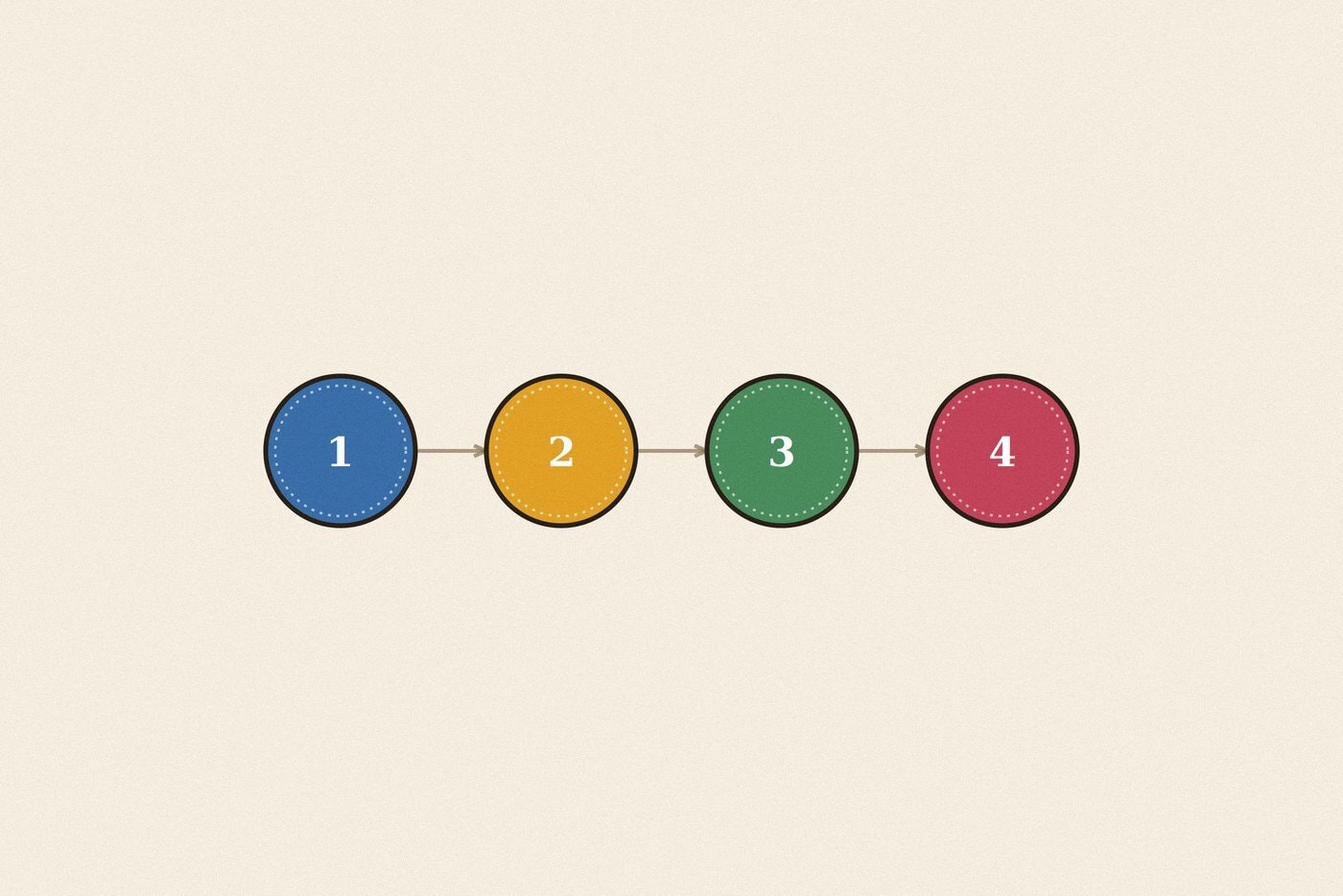
The difference between a child who can hear “no” and move on, and one who melts down every time, often comes down to whether anyone ever actually taught them how. Accepting “No” for an Answer breaks a genuinely hard moment into something a child can actually manage.
Why this skill matters
Every child hears “no” constantly, and how they handle it shapes nearly everything else: their friendships, their standing with teachers and other adults, and eventually their ability to handle disappointment as an adult. A child who can accept a “no” calmly, even when they disagree with it, is far more likely to be given a genuine “yes” the next time, simply because adults trust them to handle either answer well.
The steps
1. Look at the person and stay calm. A relaxed posture and a steady voice make everything that follows easier.
2. Say “okay” calmly. A simple acknowledgement, rather than an argument or a sulk, shows you’ve heard the answer.
3. If you disagree, ask calmly later, at an appropriate time, rather than arguing in the moment. There’s often a real, reasonable way to revisit a “no,” just not in the heat of the original moment.
4. Stay calm, whatever the final answer turns out to be. Accepting that “no” might simply be the final answer, even after asking again, is part of the skill too.
How to teach this at home
Practise with small, low-stakes “no” answers first, a snack right before dinner, an extra few minutes of a game, rather than starting with something that matters a great deal to your child. Acknowledge their feelings honestly while still holding the boundary, “I can see you’re disappointed, and the answer is still no,” which validates the emotion without reopening the decision.
Praise a calm response specifically and immediately: “You asked again really calmly, that’s exactly the right way to do it,” even if the answer stayed the same.
Why calm practice beats in-the-moment teaching
Trying to teach this skill for the first time during an actual meltdown rarely works, a child in genuine distress isn’t in a state to learn something new. Practising the steps during a calm moment, then gently reminding your child of them the next time a real “no” comes up, is what actually builds the skill over time.
Hearing “no” never stops being at least a little disappointing, for children or adults. But a child who has practised these steps has a real, workable way through that moment, rather than nothing but raw frustration to fall back on.