There’s a real, teachable difference between disagreeing in a way that keeps a conversation going, and disagreeing in a way that shuts it down entirely. Disagreeing Appropriately gives a child the actual words and steps for the first kind.
Why this skill matters
Children who only know how to disagree by arguing, shouting, or shutting down tend to lose both the argument and the relationship, since adults and peers alike stop listening once a disagreement turns hostile. A child who can disagree calmly and clearly is taken more seriously, more often, and tends to actually get their point across rather than just their frustration.
The steps
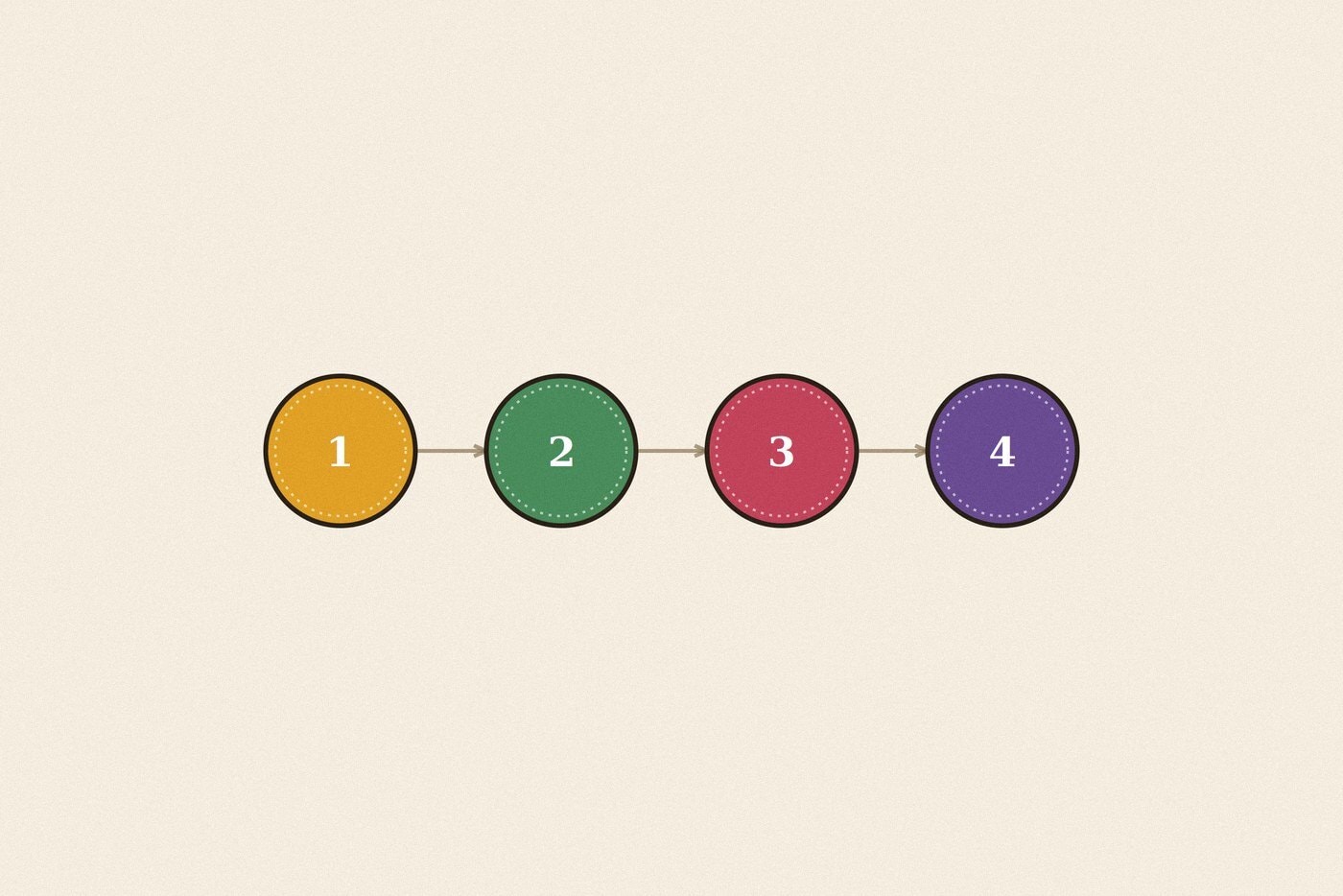
1. Look at the person and stay calm. A steady tone signals you want to be heard, not that you’re picking a fight.
2. Say you understand their point first. “I hear what you’re saying” shows you’ve actually listened, which makes the other person far more willing to listen back.
3. Calmly explain why you see it differently. Give your actual reason, not just “because I don’t like it,” so the other person has something real to consider.
4. Accept their final answer, even if it’s still not what you wanted. You can disagree and still accept the outcome respectfully.
How to teach this at home
Model this directly by disagreeing with your child this way yourself, “I hear that you want to stay up later, and here’s why I still think bedtime needs to stay the same,” which shows the pattern in action rather than only explaining it in the abstract. Give your child genuine practice disagreeing with you about something low-stakes, which screen or which side dish for dinner, so the skill gets some use before it’s needed for something that really matters to them.
Praise the specific moments when they use it well: “You explained your reason really clearly, even though I still said no, that’s exactly how to disagree.”
Why this is different from simply giving in
Teaching a child to disagree well isn’t about teaching them to always get their way, plenty of disagreements still end with the original answer standing. The actual goal is a child who can make their case clearly and respectfully, and then accept whatever the final answer turns out to be, without the whole exchange turning into a fight.
A child who can say “I understand, and here’s why I see it differently” is already handling disagreement better than a great many adults manage, and that’s a skill worth building early and practising often.