A child who looks up, says okay, and actually does the thing asked of them, right away, without a reminder, stands out in a way that genuinely shapes how adults respond to them. Following Instructions is one of the most foundational skills a child can learn, since so much of daily cooperation at home and school rests on it.
Why this skill matters
A child who reliably follows instructions is trusted with more, asked to do more, and given more independence, simply because the adults around them have learned they can rely on a request actually being carried out. A child who doesn’t yet have this skill often isn’t being defiant on purpose, they may genuinely not know the steps that make following through actually happen, which is exactly what breaking it down this way is meant to fix.
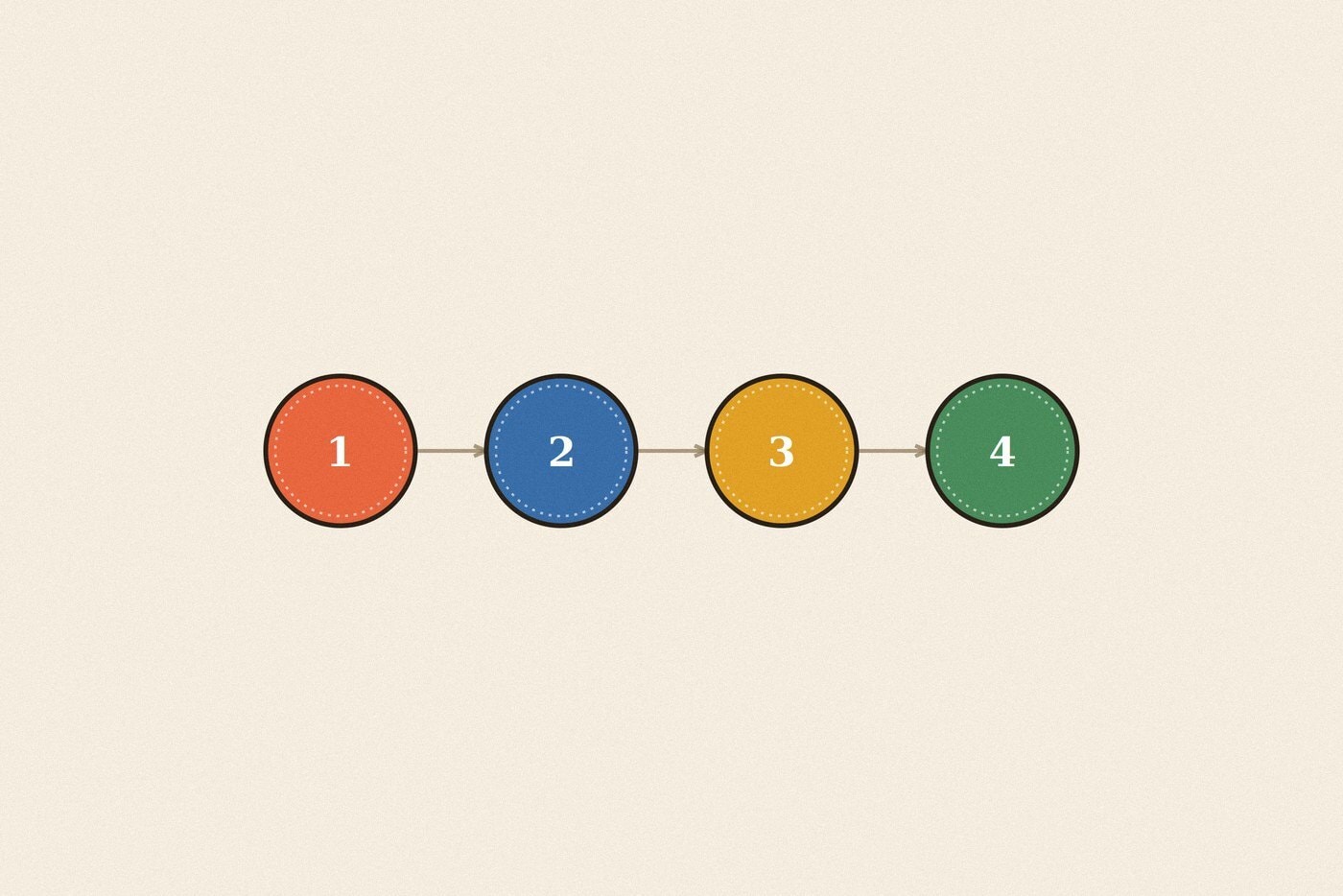
The four steps
1. Look at the person. Making eye contact signals that you’re actually paying attention, not just hearing noise in the background.
2. Say “okay.” A short, clear acknowledgement tells the other person you’ve understood and intend to follow through, rather than leaving them to wonder.
3. Do it right away. Starting immediately, rather than putting it off, makes it far more likely the task actually gets finished and remembered correctly.
4. Check back. Letting the person know when it’s done closes the loop, and gives them a chance to confirm it was done the way they wanted.
How to teach this at home
Practise the steps somewhere low-stakes first, a simple, easy request with nothing at stake, rather than introducing the skill in the middle of a real conflict. Model it yourself occasionally too: narrate out loud when you’re following through on something someone asked of you, which shows a child the skill applies to adults as well.
Praise each piece specifically when you see it, “I noticed you looked right at me and said okay before you started,” rather than a generic “good job,” since naming the exact step reinforces which part of the sequence actually mattered.
A note on starting here first
This is worth teaching before almost any other skill on this list, since a child who can reliably follow a simple instruction is far better positioned to learn everything that comes after it. Many more advanced skills, from completing a task well to handling a disagreement calmly, depend on this same basic foundation already being in place.
Four short steps, practised patiently and praised specifically, give a child a genuinely reliable way to handle one of the most common requests they’ll face every single day, at home, at school, and everywhere in between.