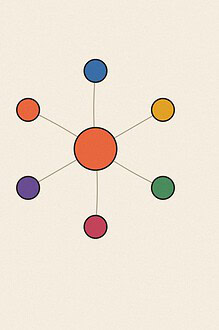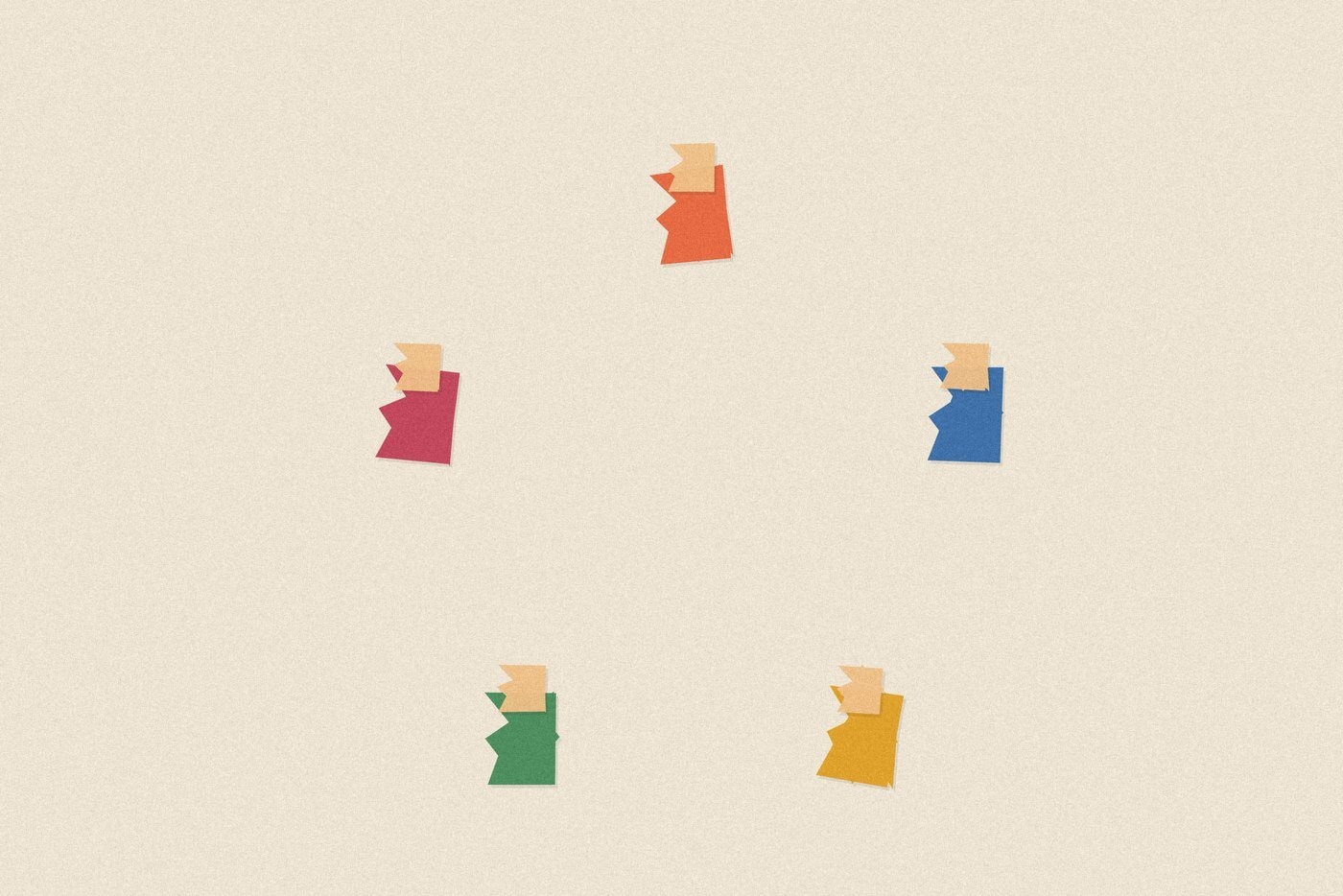
Stand a volunteer in the middle of a circle, and ask people on different sides the exact same question, how many eyes does this person have, based only on what they can actually see from where they’re standing. What Do You See From There? makes the idea that everyone has a different perspective genuinely concrete.
Why this helps
It’s easy to agree, in the abstract, that people see things differently depending on their position and experience, but this game makes that idea literal and visible: people standing in different spots around the exact same person will genuinely, correctly, answer the same question differently, based purely on what’s actually in their line of sight.
What you need
Nothing but an open space and a group willing to stand in a circle.
How to play
Ask one volunteer to stand still in the centre of a circle, facing one direction the whole time. Explain to the group that everyone should answer upcoming questions based only on what they can actually see from their own position, not what they already know is there.
Ask someone standing directly in front of the volunteer: “How many eyes does this person have?” Then ask someone standing directly behind them the same question. Then someone standing to the side. Repeat with a different, visible feature, like the arms.
Finally, ask one person to slowly walk all the way around the circle, describing out loud exactly how their view of the volunteer changes as they move.
The conversation worth having afterward
Ask the group: how did your answer change depending on where you were standing, even though nothing about the volunteer actually changed? How does this relate to the different perspectives people bring to a real disagreement or a shared situation? What can we do to get a more complete picture before deciding we understand something fully?
Why a literal demonstration works better than just saying it
Telling a group “everyone has a different perspective” is a reasonable thing to say and an easy thing to immediately forget. Watching, with their own eyes, that the exact same person genuinely looks different from different positions around a circle, tends to make the idea stick considerably better than the phrase alone ever could.
One volunteer, standing still, and a circle of people answering honestly from wherever they happen to be standing is a simple, visual way to make “everyone sees things differently” into something the whole group has actually witnessed together.