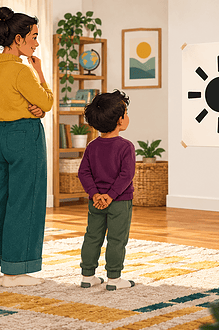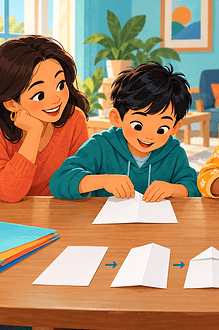
Tell a partner about something that made you genuinely happy, while they listen closely, then tell the exact same story again while they visibly stop listening. The Good Listener Test makes the difference between being heard and being ignored impossible to miss.
Why this helps
Most people know, in the abstract, that good listening matters, but rarely get to feel the contrast between genuine attention and its absence quite this directly. Experiencing both sides, being truly listened to, and then being visibly tuned out, builds a much more concrete, felt sense of why active listening actually matters to the person doing the talking.
What you need
Nothing but a partner and a story worth telling.
How to play
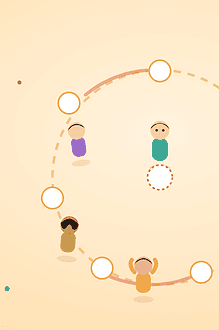
Split into pairs. One partner tells the other about a time they felt genuinely happy, while the listener gives their full, visible attention, eye contact, nodding, genuine interest.
After a minute or two, without telling the speaker in advance, ask the listener to stop listening entirely, looking away, checking their hands, seeming distracted, while the speaker keeps talking about the same happy memory. Let this continue for another minute, then call “stop” and have the pair swap roles.
The conversation that matters most
Once both partners have had a turn in each role, ask directly: how did it feel to be genuinely listened to? How did it feel when your partner stopped listening, even though you kept talking? What specifically did your partner do that made you feel heard, or not heard?
Why the contrast lands so clearly
Simply being told “listening is important” rarely changes how someone actually listens day to day. Feeling the specific, uncomfortable shift from genuine attention to visible disinterest, mid-sentence, while still trying to finish your own story, tends to make the lesson land in a way that no amount of explaining quite manages.
A short story, told twice to a partner who’s genuinely listening and then visibly isn’t, gives everyone a real, felt sense of exactly what good listening actually looks and feels like, and what its absence costs the person talking.