A cardboard tube, two small mirrors angled just right, and the strange, delighted moment a child first sees around a corner without actually looking around it. The Homemade Periscope is a satisfying build that teaches real optics through something a child makes with their own hands.
What you need
A long cardboard tube, or a cardboard box cut into a long rectangular tube shape. Two small flat mirrors of a similar size. Tape or glue. A ruler and pencil for marking cut lines.
How to play
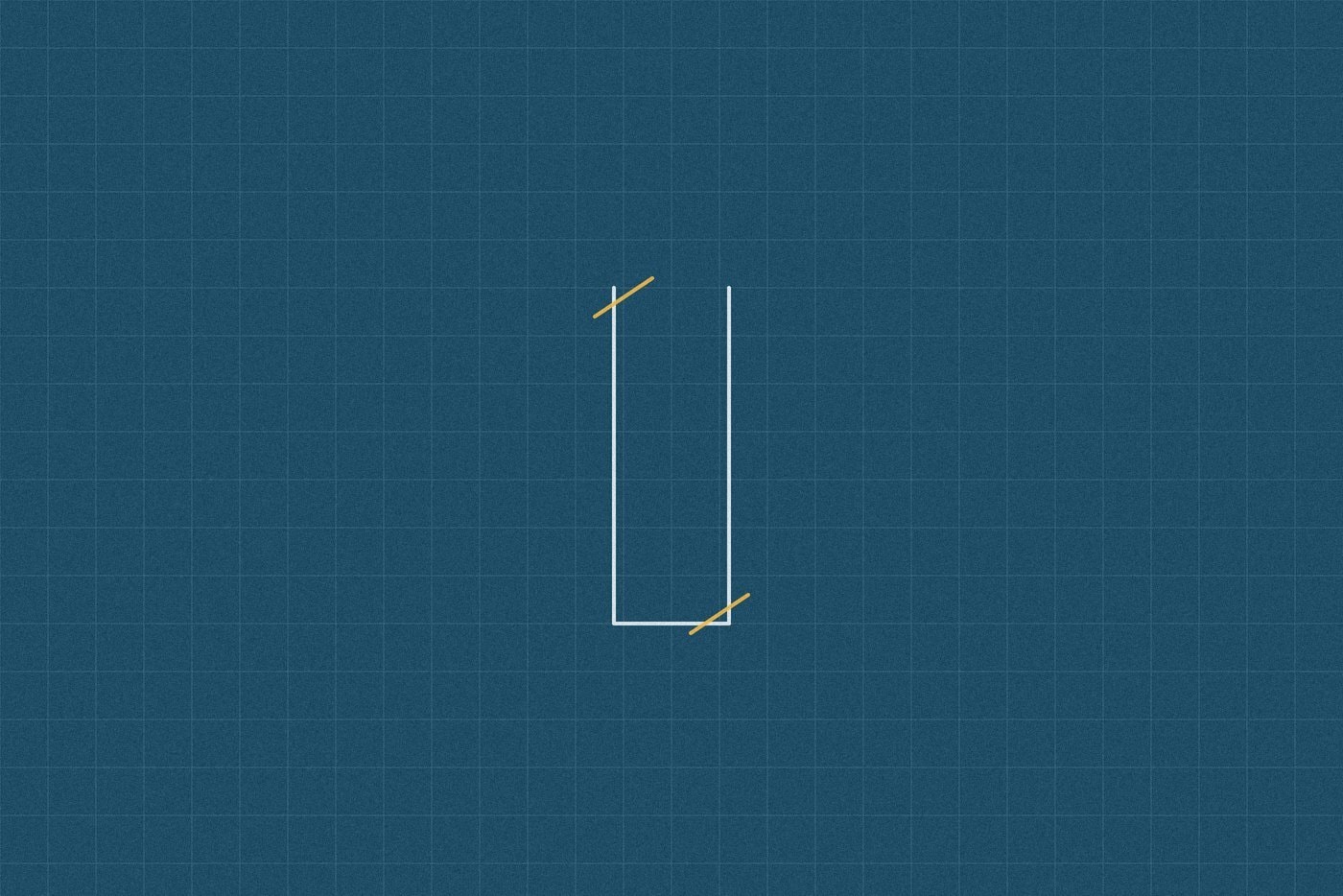
If using a box rather than a ready-made tube, cut it into a long rectangular tube open at both ends. At each end, cut a diagonal slot at a 45-degree angle, positioned so a mirror can be inserted and held at that angle, facing inward toward the opposite end of the tube.
Insert one mirror into each slot, both angled at 45 degrees, but facing opposite directions, one reflecting downward into the tube from the top, the other reflecting the image back out at the bottom, toward your child’s eye.
Cut a small viewing hole near the bottom mirror, and a small opening near the top mirror where light can enter. Look through the viewing hole: light should bounce off the top mirror, travel down the tube, and bounce off the bottom mirror directly into your child’s eye, letting them see over or around something without their actual eyes being in line with it.
Test it properly: use the periscope to look over a wall, around a corner, or above a crowd of toys, somewhere your child genuinely couldn’t see directly without it.
Explaining what’s actually happening
Ask your child to trace the path of the light with their finger on the outside of the tube: in through the top opening, bouncing off the angled top mirror, straight down the tube, bouncing off the angled bottom mirror, and out through the viewing hole into their eye. Explain that mirrors reflect light in a completely predictable way, the angle light bounces off at always matches the angle it arrived at, which is exactly why positioning both mirrors at precisely 45 degrees makes the whole device work.
Why it works
Children use mirrors every day without ever being asked to think about how reflection actually behaves, predictably, at a matching angle, not randomly. Building a periscope forces a child to apply that predictable behaviour deliberately, getting both mirror angles right in order for the whole device to actually work, which turns an abstract rule about angles of reflection into something they’ve used to build a genuinely functioning tool.
A cardboard tube and two mirrors, assembled correctly, let a child see around a corner for the first time using nothing but basic physics they built with their own hands. Few science experiments offer that satisfying a payoff for so little material.